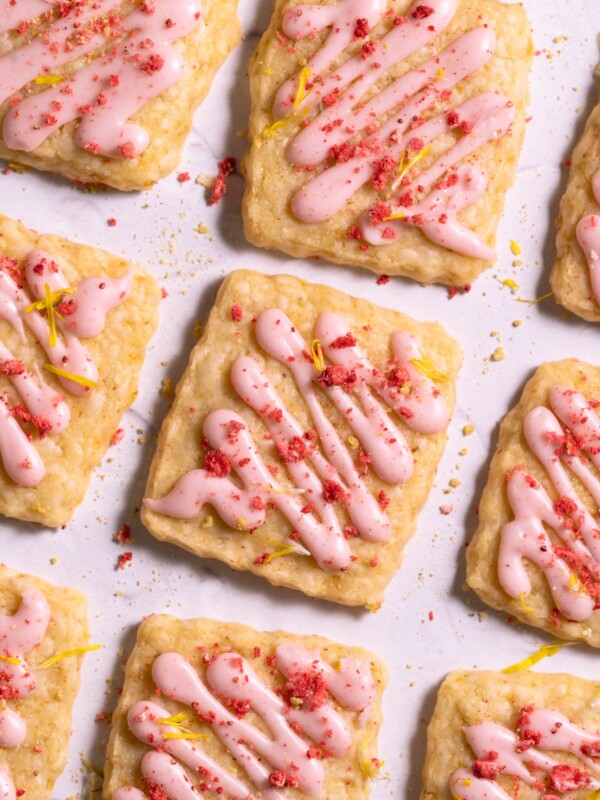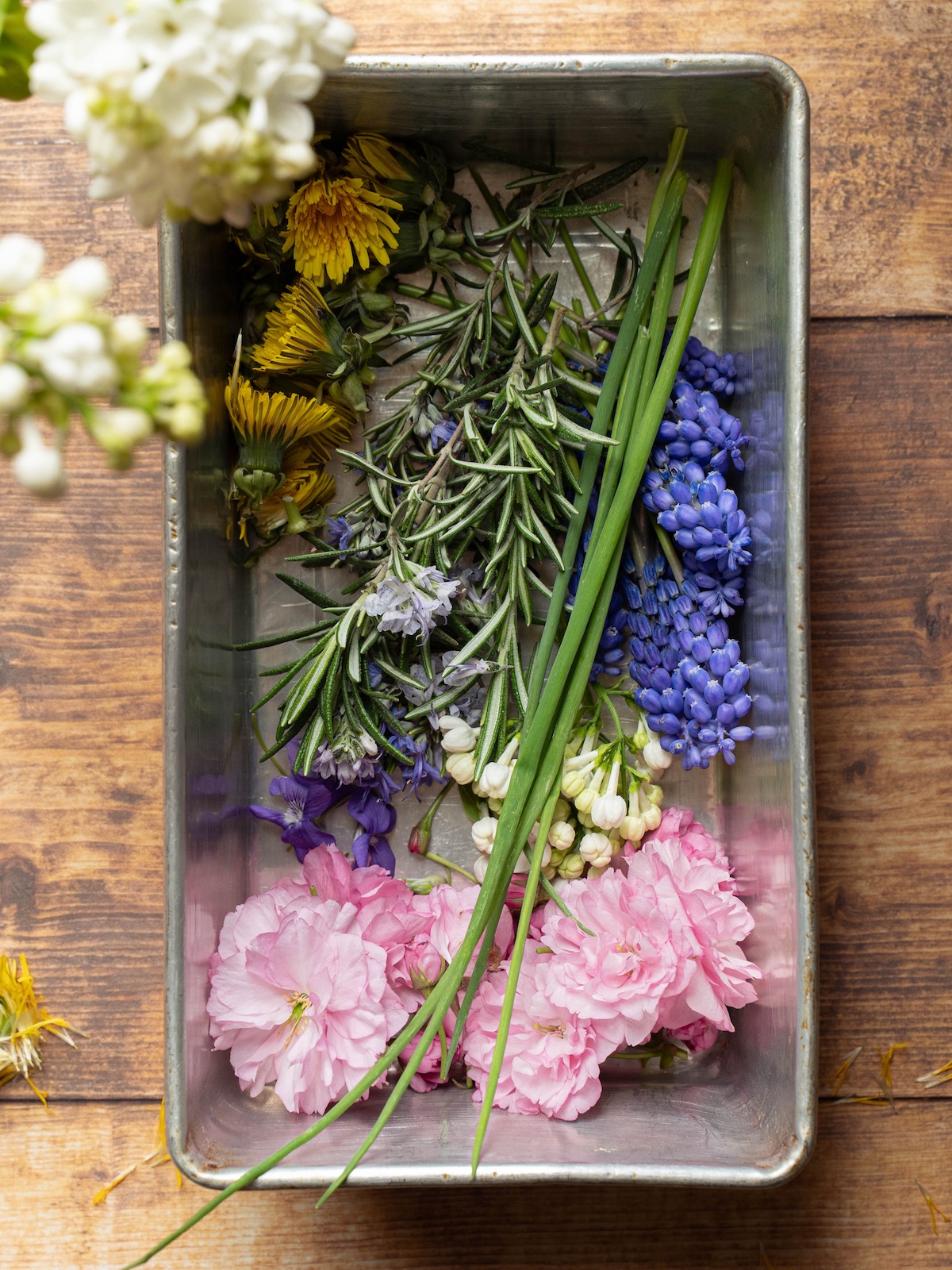
Spring in the Pacific Northwest is the best time to forage for edible flowers. It feels like all of nature is waking back up at once, the trees re-greening, the smell of pollen in the air, the first blossoms bringing color back to the world. From magnolia trees bursting into bloom to tiny violets tucked along forest paths, this is one of the most magical seasons to bring wild ingredients into your kitchen.
Over the years, I’ve fallen in love with baking with edible flowers — not just for their beauty, but for the way they capture a moment in time. Many of these blooms last only a few short weeks, but with a little know-how you can turn them into desserts, drinks, and sugars & syrups that preserve their flavor long after the season has passed.
This guide highlights some of the most common and beginner-friendly edible flowers to forage in the Pacific Northwest in spring, along with tips for identifying them, using them in recipes, and getting the best flavor from each.
Table of Contents
- Before you start foraging
- Magnolia flowers (Magnolia spp.)
- Magnolia flower recipes
- Dandelion flowers (Taraxacum officinale)
- Dandelion flower recipes
- Wild rose (Rosa spp.)
- Recipes using rose
- Wild violets (Viola sororia)
- Elderflower (Sambucus nigra, cerulea)
- Elderflower recipes
- Lilacs (Syringa vulgaris)
- Lilac recipes
- Red clover (Trifolium pratense)
- Want more edible flower recipe ideas?
Before you start foraging
A few simple guidelines will make your foraging safer and more sustainable:
- Always positively identify plants before eating
- Avoid sprayed areas (roadsides, highways, landscaped spaces)
- Harvest responsibly, taking only what you need and leaving plenty behind
- Be mindful of local regulations and protected areas
- Bring the basics: basket or bag, small knife or scissors
- Tread lightly, taking care to not destroy ecosystems if you’re wandering off path
If you’re new to foraging, start with just one or two plants, learn them well, and build from there.
🌿 Important: Foraging for wild edibles must always be done with care. The information here is for educational purposes only. Always properly identify any plant before consuming it, be aware of any toxic lookalikes, and don’t eat anything you can’t identify with 100% certainty.
Magnolia flowers (Magnolia spp.)
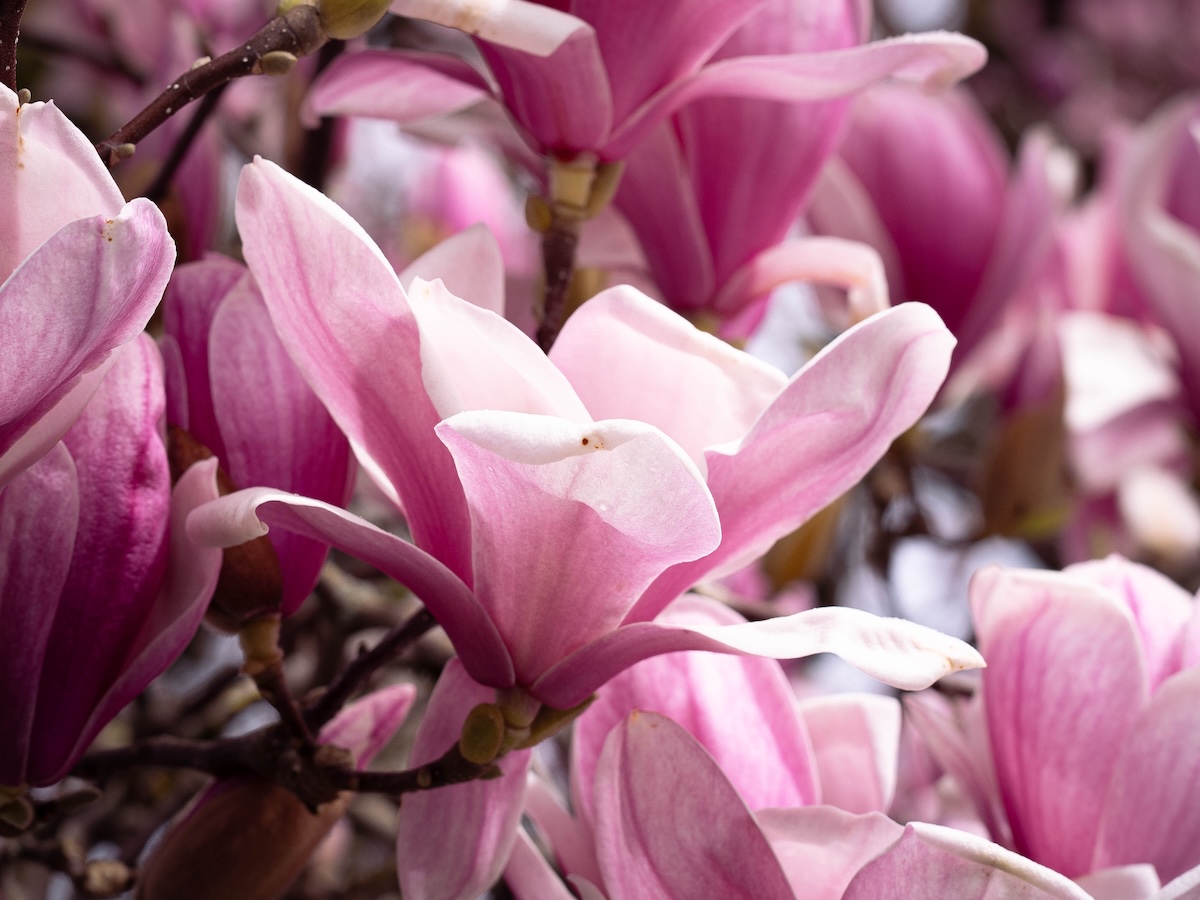
Magnolia flowers are typically the very first edible blossoms to show up in early spring. Their large, fragrant petals bring a bold, unique flavor to both sweet and savory dishes.
How to identify & where to find:
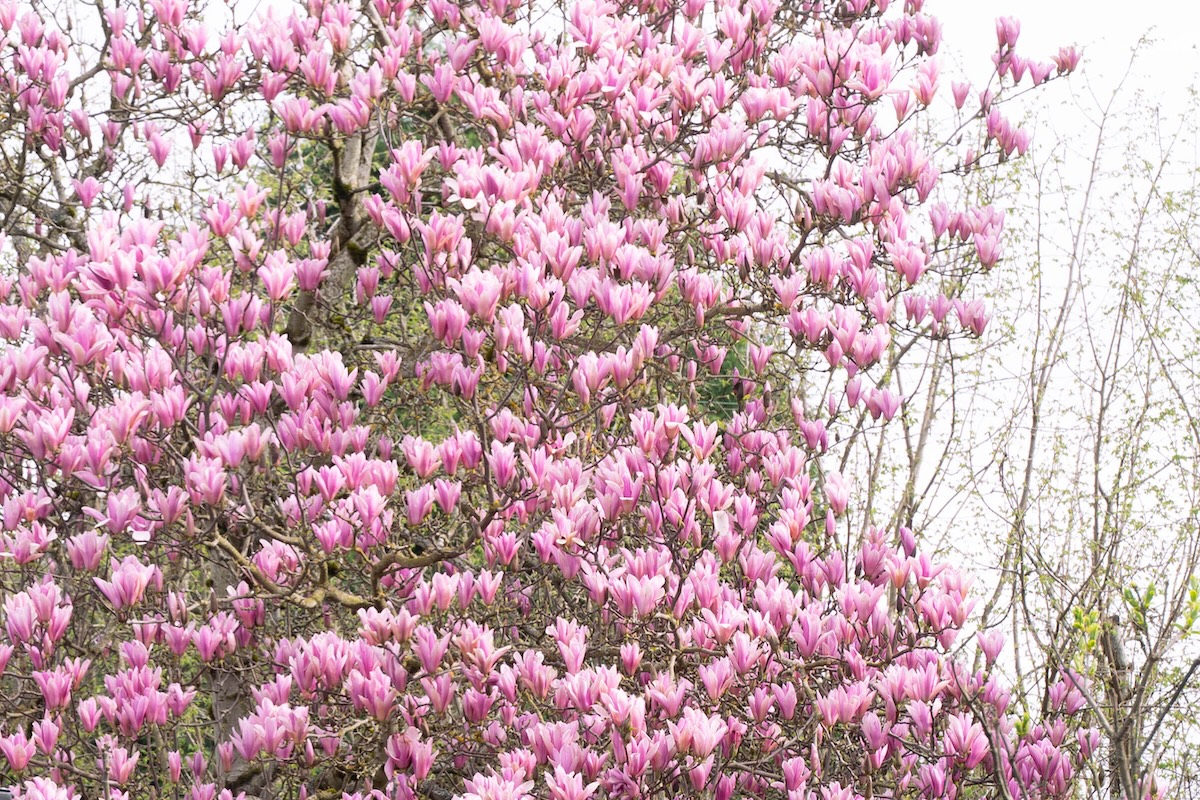
Look for big trees with showy pink, white, yellow, or purple blossoms in gardens, parks, and residential areas. Magnolia trees are commonly planted in urban landscaping and are easy to recognize by their large, fragrant, tulip- or star-shaped blossoms.
Best time to harvest:
Early to mid-spring, just as the flowers fully open. You can also use the buds, depending on what kind of culinary project you’re working on. Avoid flowers that have already fallen off the tree and any flowers that are brown or damaged.
What do magnolia flowers taste like?
Gingery, slightly citrusy, and lightly floral. They can range from subtle to spicy, with flavor notes of fresh ginger, cardamom, rosewater, and lemon. There are over 200 species and their flavor can vary, so try a few different colored flowers if you have the chance!
I’ve found that the yellow flowers tend to have a pure ginger flavor, light pink blossoms taste like cardamom and rose, and dark pink flowers taste spicy, floral, and complex.
Preparation notes:
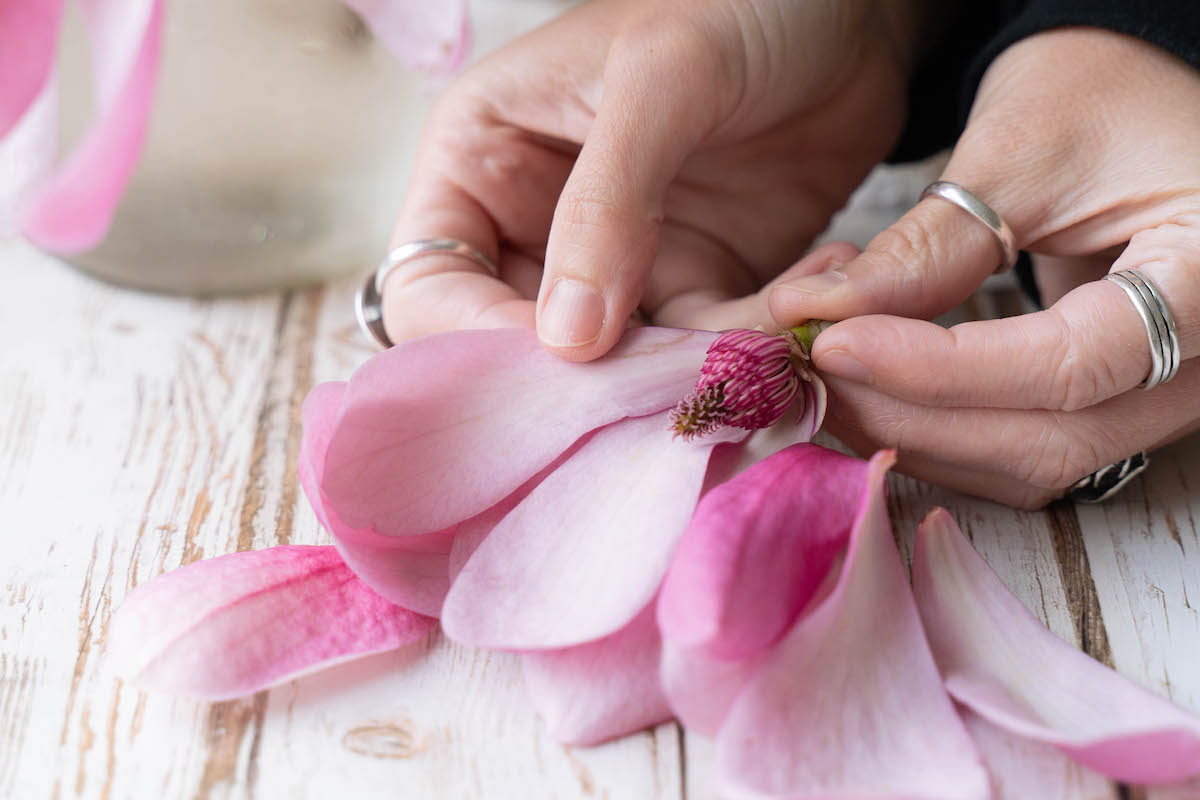
Before you use magnolia flowers, give them a rinse and allow them to drip dry or gently pat them dry with a towel. Separate the petals from the base and reproductive organs (unless you’re pickling whole buds). Use the cleaned petals in any of the recipes below.
How to use magnolia flowers:
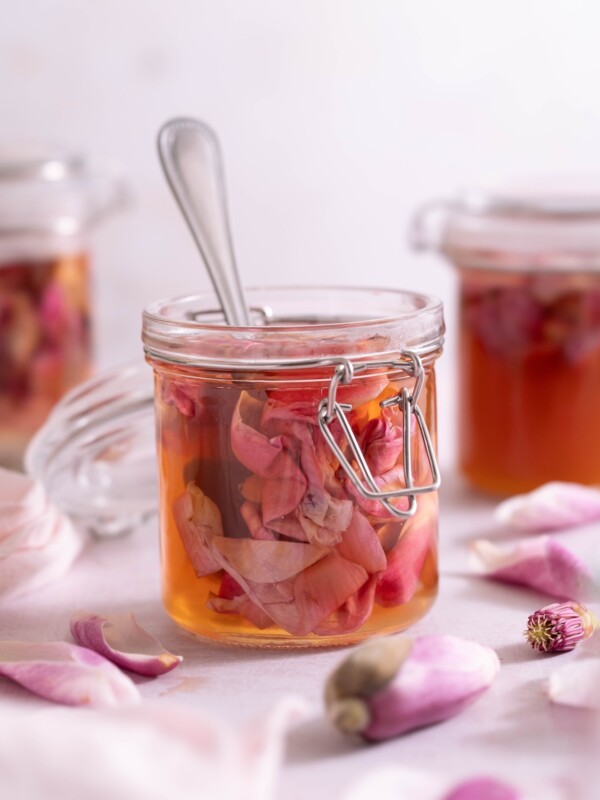
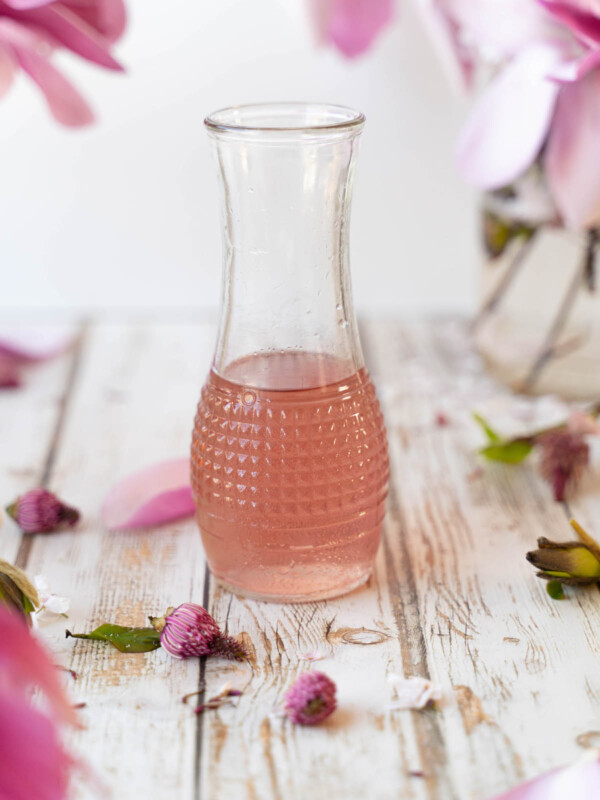
- Infuse into sugar or make a magnolia syrup
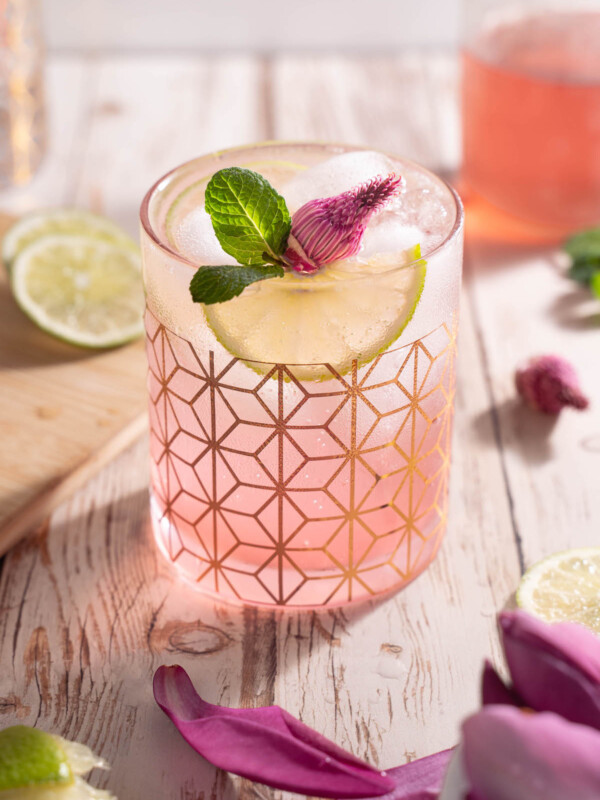
- Use the syrup to make mocktails & cocktails
- Dry the petals and grind into a powder; use as a spice for baked goods
- Make pickles out of magnolia petals
- Use magnolia pickle brine to flavor marinades & dressings
- Use fresh in salads, as a garnish, or stuff with soft cheeses or julienned veggies
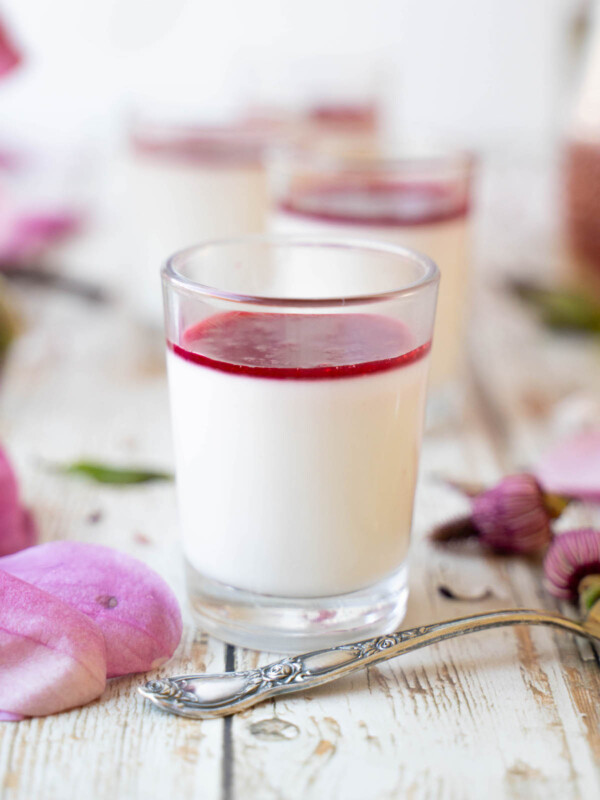
- Infuse into cream-based desserts like panna cotta
👉 Learn more: Check out my full guide to foraging & cooking with magnolia flowers
Magnolia flower recipes
Dandelion flowers (Taraxacum officinale)
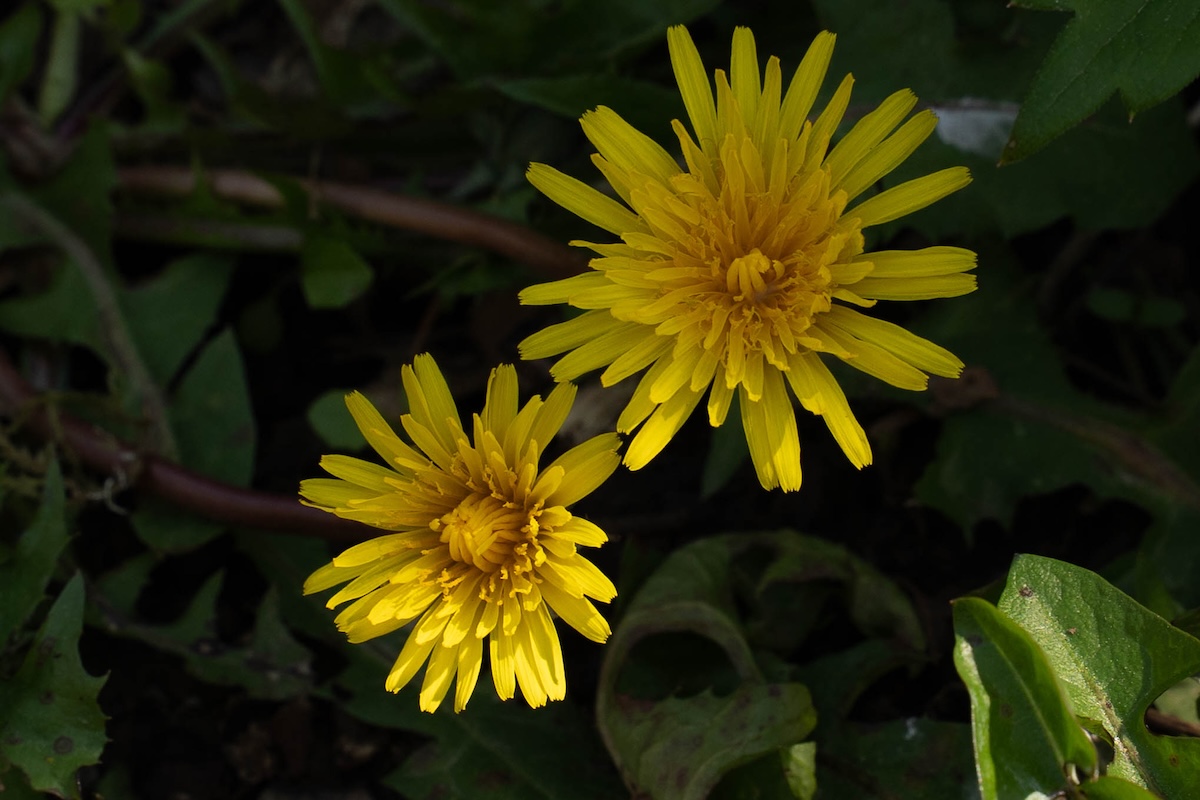
One of the most accessible and abundant (and in my opinion, underrated) wild flowers, dandelions are entirely edible, from flower to root. Their flowers are coated in pollen that tastes just like honey, making them perfect for all kinds of desserts and baked goods.
How to identify & where to find:
Watch out for bright yellow, sunny flowers with jagged leaves and hollow flower stems growing low to the ground. Dandelions are often found in lawns, fields, and disturbed soil.
Best time to harvest:
All spring long! Lucky for us, dandelions are resilient and will pop back up again and again after grass is mowed. Pick dandelions on a sunny day when the flowers are open.
What do dandelion flowers taste like?
Dandelion flowers are mildly sweet with a delicious honey-like flavor.
Preparation notes:
To use dandelion flowers, you’ll need to separate the petals from the bitter green base. You can do this either by trimming just above the base with a sharp knife or by pinching and twisting the petals free with your fingers.
How to use dandelion flowers:
- Make syrups, jellies, or wine
- Infuse petals into dandelion sugar for use in dessert recipes
- Add fresh or dried petals to baked goods
- Use as a garnish for salads, cakes, and tarts
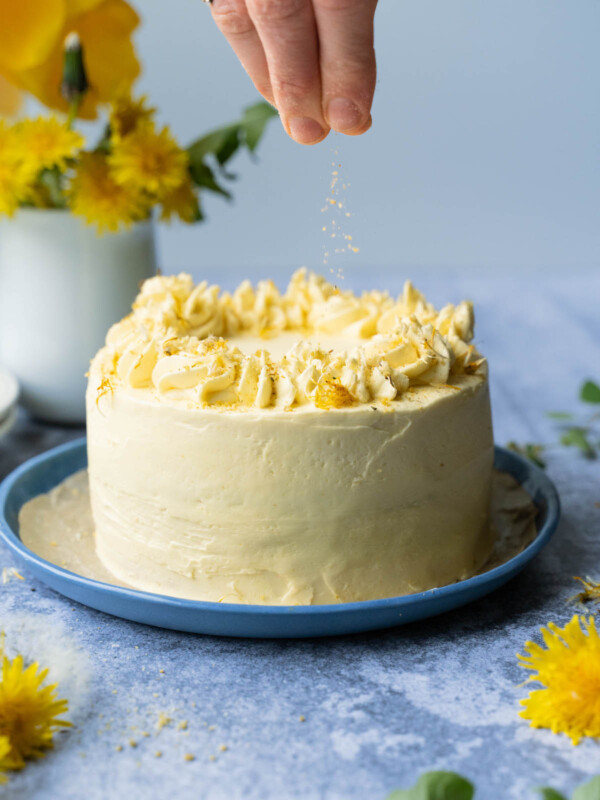
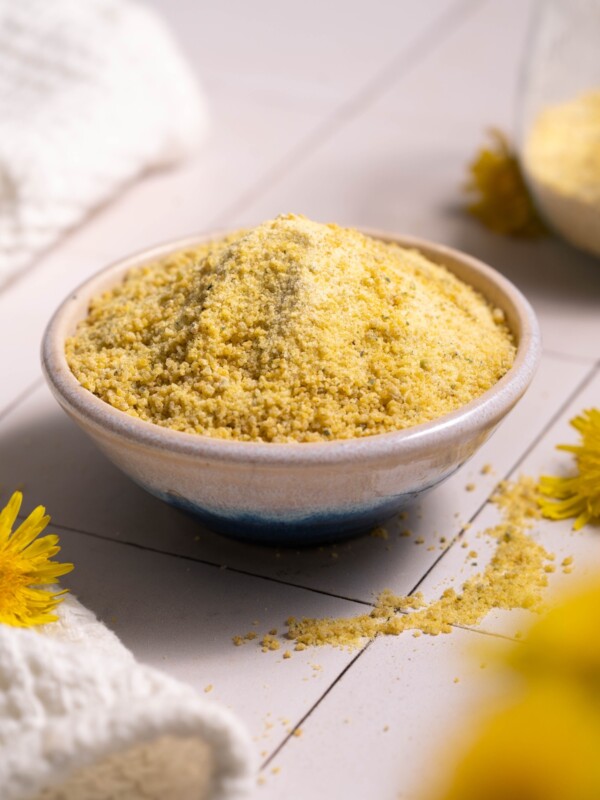
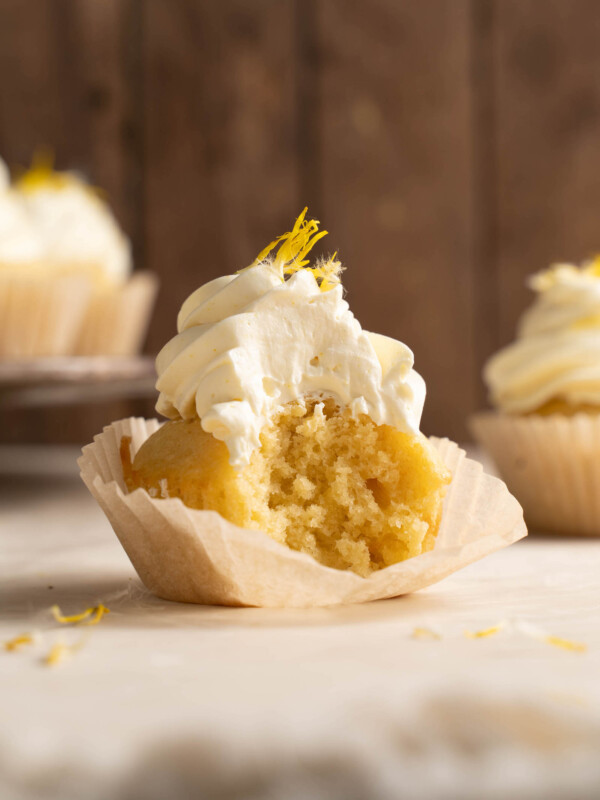
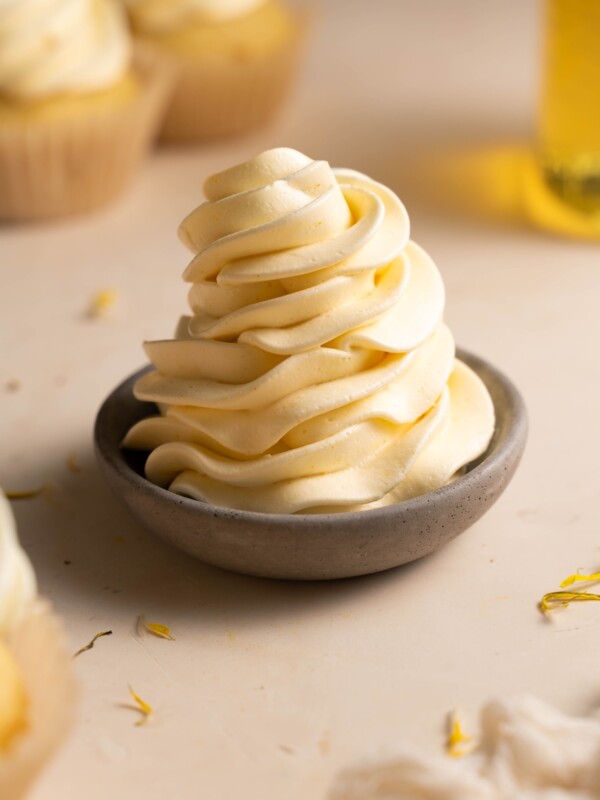
- Make a floral buttercream using homemade syrup
⚠️ Notes:
Dandelion plants can be easily confused with Cat’s Ear (Hypochaeris radicata), a plant with very similar looking flowers. However, Cat’s Ear is also edible! I recommend you study the visual difference between the two before foraging.
Keep in mind that dandelion flowers are an important source of nectar for bees early in the season, so be sure to leave plenty of flowers behind for pollinators.
Dandelion flower recipes
Wild rose (Rosa spp.)
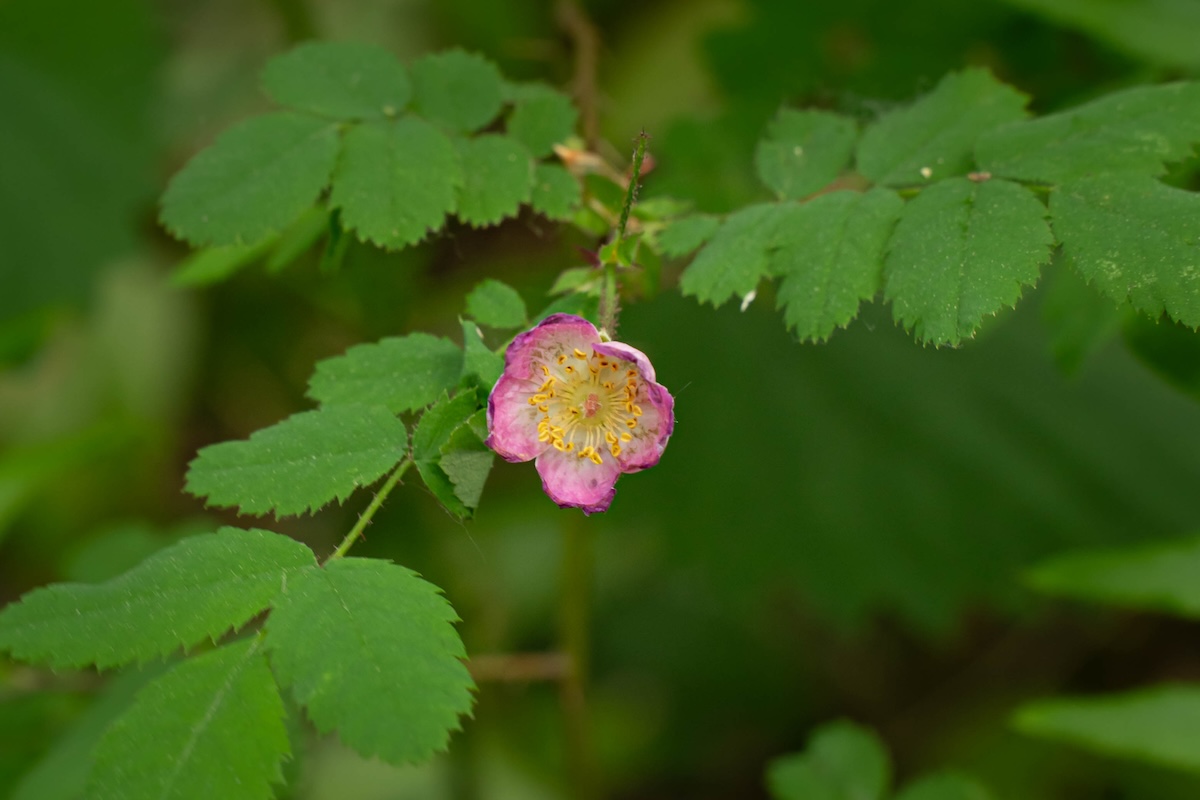
Wild roses are the ancestors of modern, cultivated roses. They’re a lovely spring find, with edible, delicately floral petals. They can be tedious to gather because of their small size, but they’re worth the effort.
Common varieties include Nootka rose (Rosa nutkana), Western Wild Rose (Rosa woodsii), and Virginia Rose (Rosa virginiana), though there are many varieties.
How to identify & where to find:
Look for pink or white five-petaled flowers on thorny shrubs, often found along hiking trails, mountain forests, and coastal areas.
Best time to harvest:
Mid spring to early summer, when flowers are budding or freshly opened.
Flavor notes:
Lightly sweet, floral, and slightly spicy.
How to use rose in recipes:
- Make a rose syrup or infused honey
- Add fresh or dried petals to desserts & baked goods
- Use as garnish for cakes and tarts
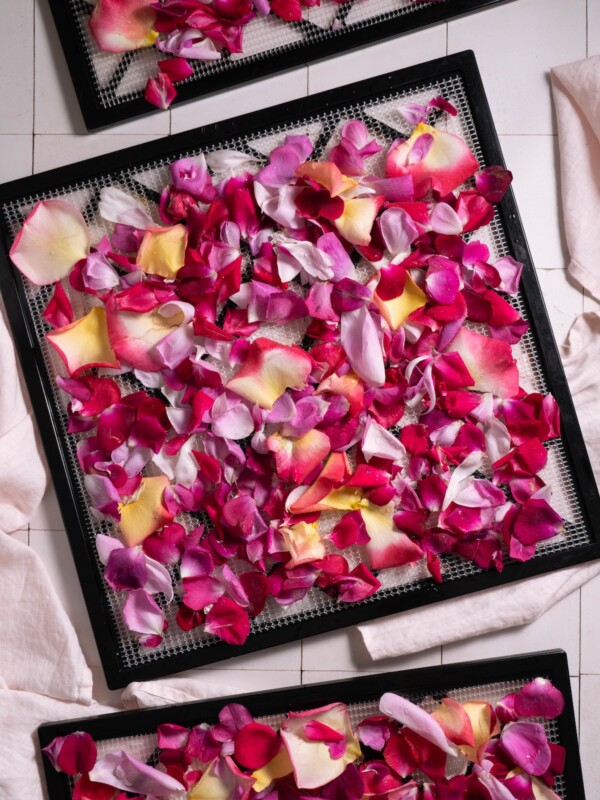
- Dry petals and use for tea
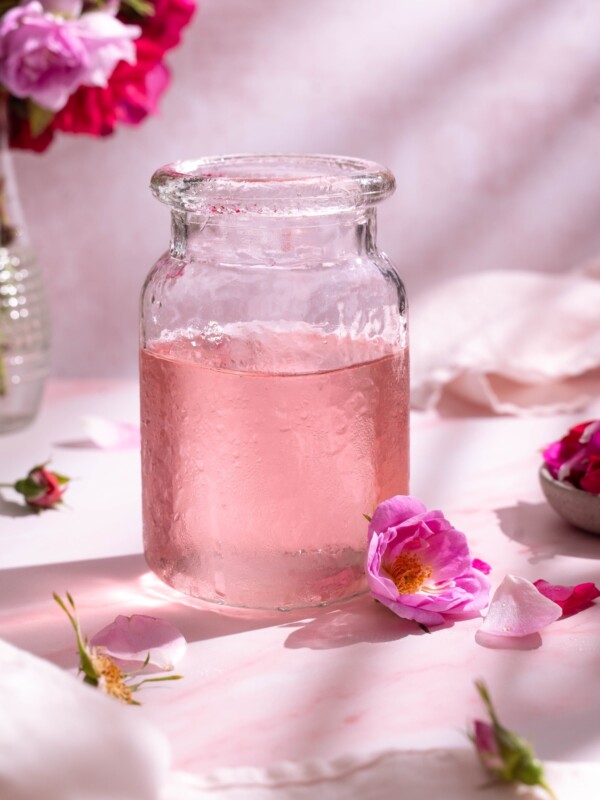
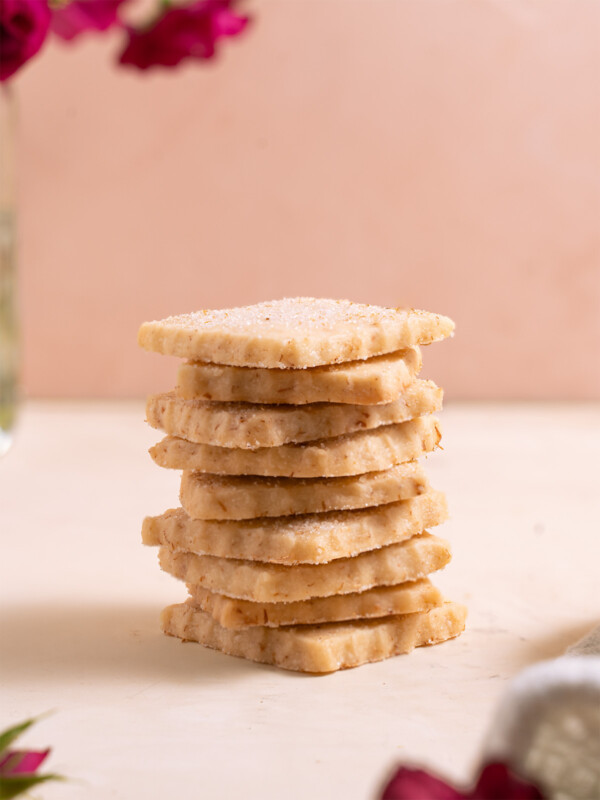
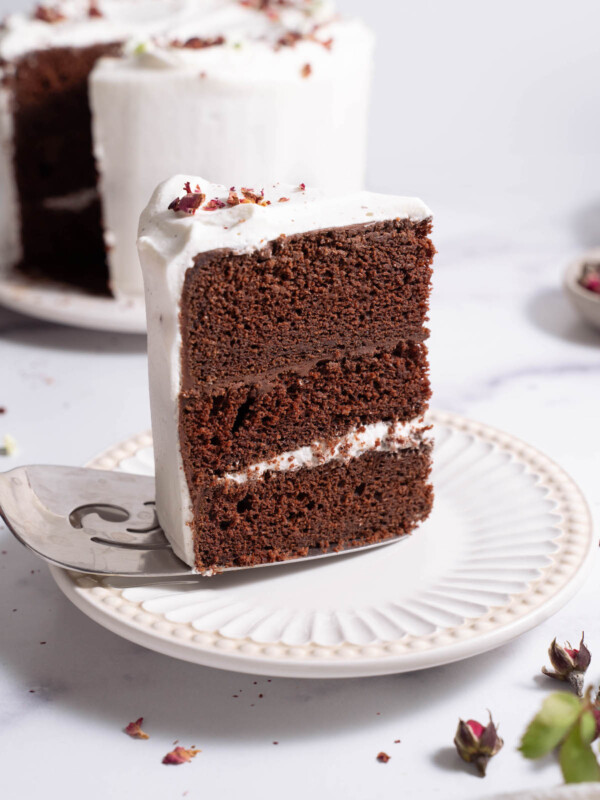
Recipes using rose
Wild violets (Viola sororia)
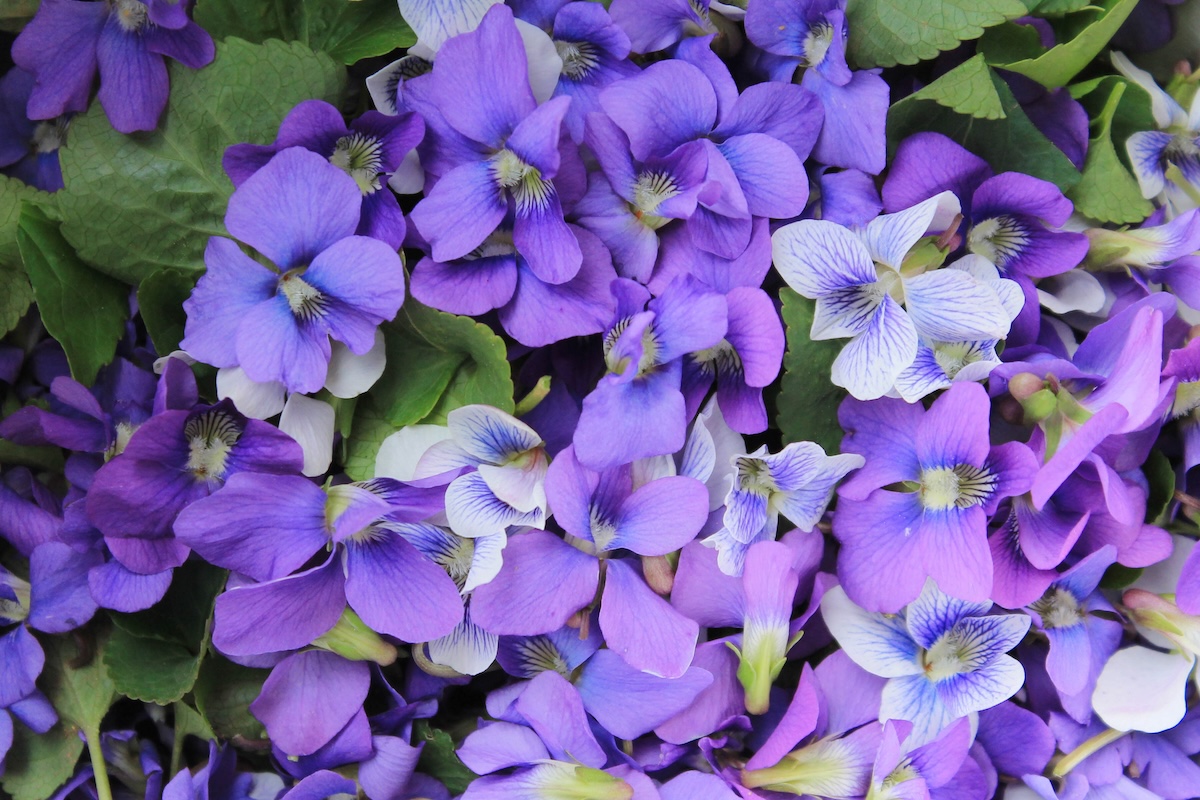
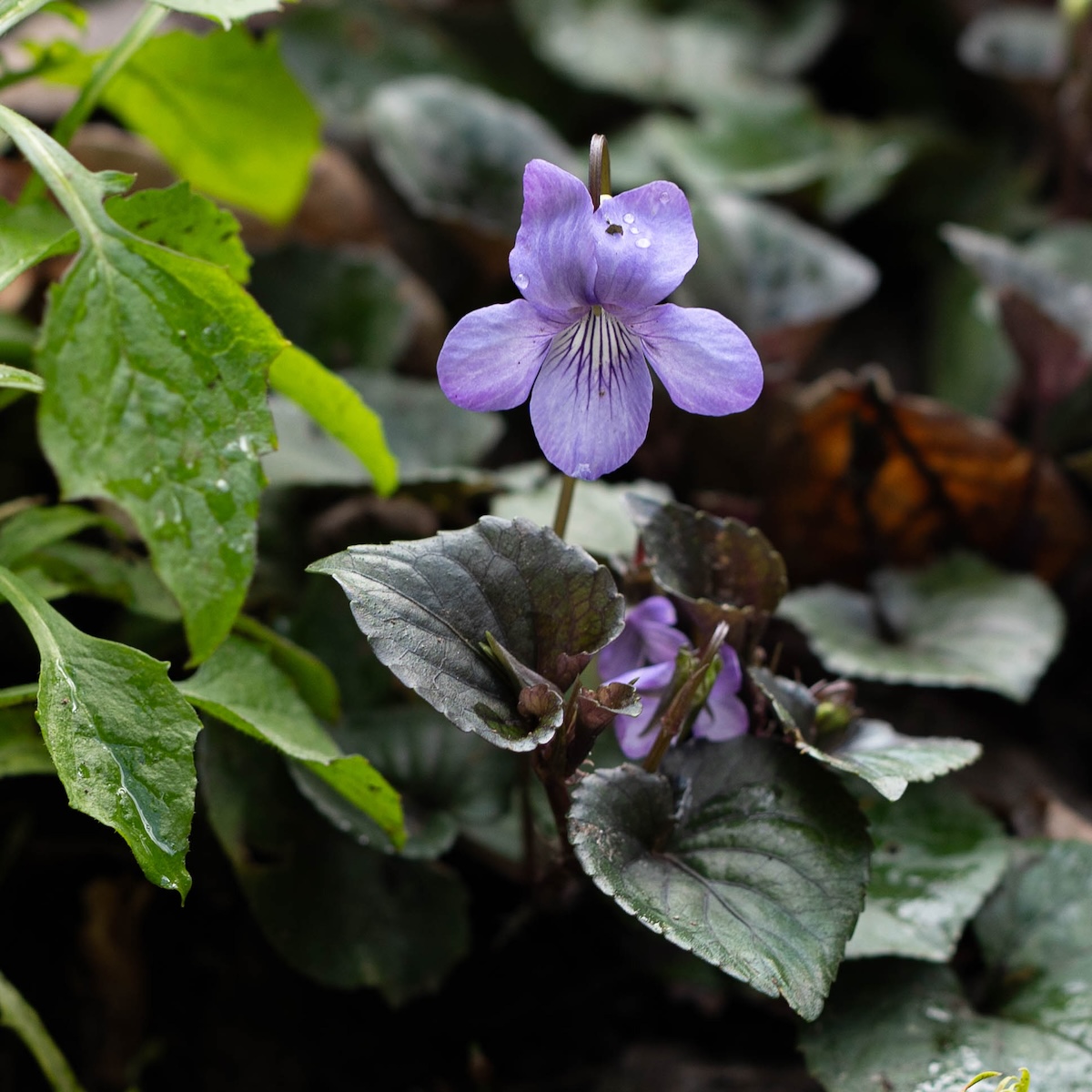
Violets are one of the easiest and most beginner-friendly edible spring flowers to forage. These perennial ground covers spread quickly, popping up in early spring and surprising us with their pretty purple flowers.
How to identify & where to find:
You’ll recognize these low-growing plants by their heart-shaped leaves and small blue to purple flowers. The flowers consist of 5 petals, with contrasting streaks originating from their centers. They prefer moist, shady areas and can often be found under trees and in woodland areas and lawns.
Best time to harvest:
Early to mid-spring, when flowers are open and fresh.
What do wild violets taste like?
Violets have a flavor that’s fairly mild and only delicately floral. They’re certainly not the tastiest of edible spring flowers, but their beauty makes up for it.
Preparation notes:
Use as soon as possible after picking, as the flowers will wilt quickly!
How to use violets:
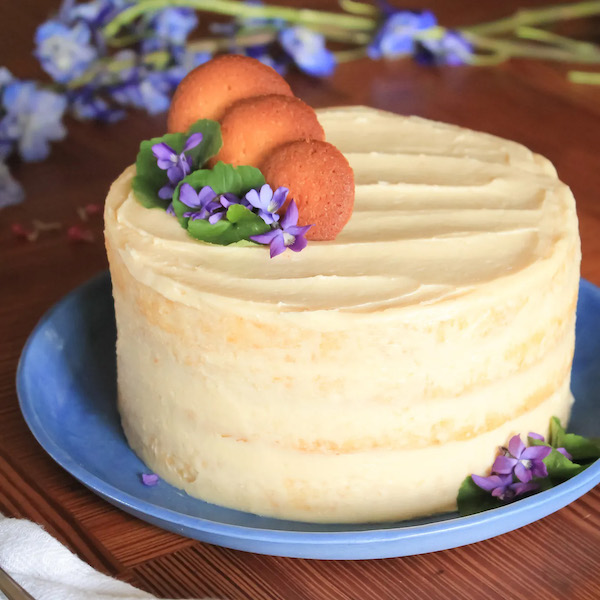
- Press into shortbread cookies
- Candy them to use as an edible decoration
- Make violet jelly, syrup, or infused vinegar
- Use as a garnish for salads, drinks, cupcakes, and more
Elderflower (Sambucus nigra, cerulea)
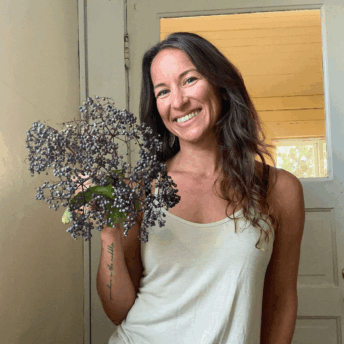
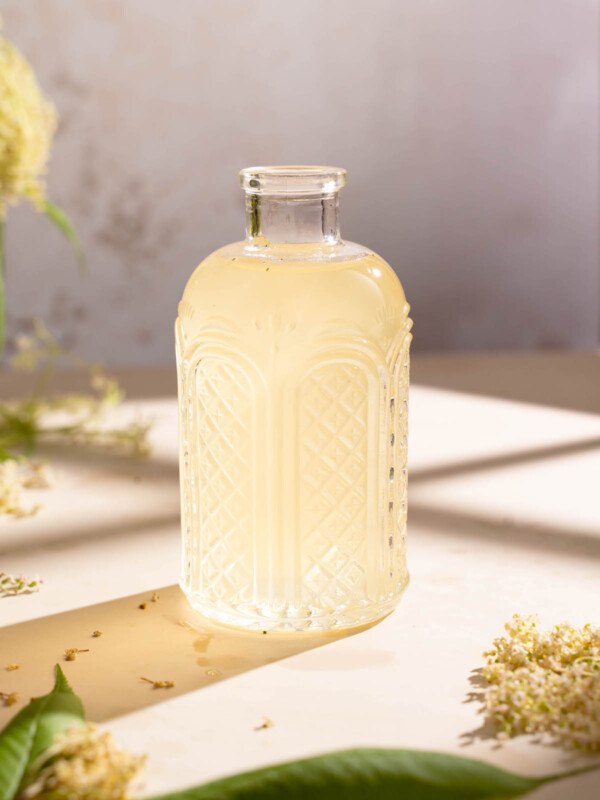
One of my very favorite wild plants, I’ve found elderflowers in just about every part of the world, blessing large areas with their intoxicating scent and lovely flower clusters.
How to identify & where to find:
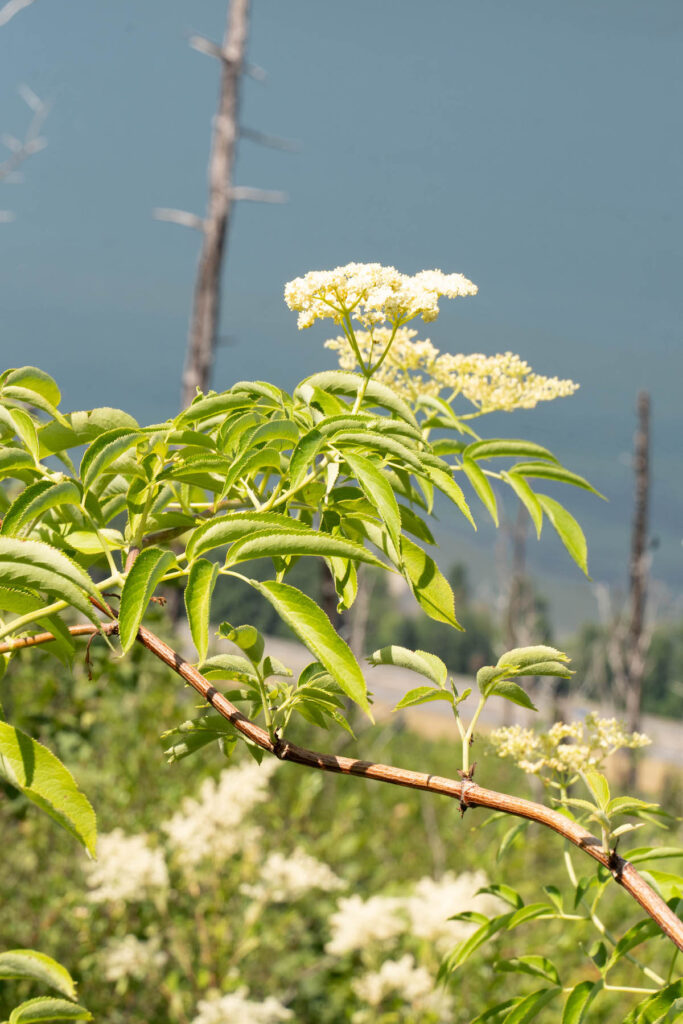
Look for large shrub-like trees, often along roadsides, river edges, and in forested and mountainous areas. The plants have long, serrated leaves and big umbel clusters of tiny, cream-colored flowers that are super fragrant.
Best time to harvest:
Mid to late spring, just when flowers open. Look for clusters with some unopened blossoms and avoid flowers that are brown or beginning to wilt.
What do elderflowers taste like?
The flavor of elderflowers is extremely floral, somewhat like honey and pollen, citrus and sweet perfume in the best way possible. They have a very strong scent and flavor and a little goes a long way.
Preparation notes:
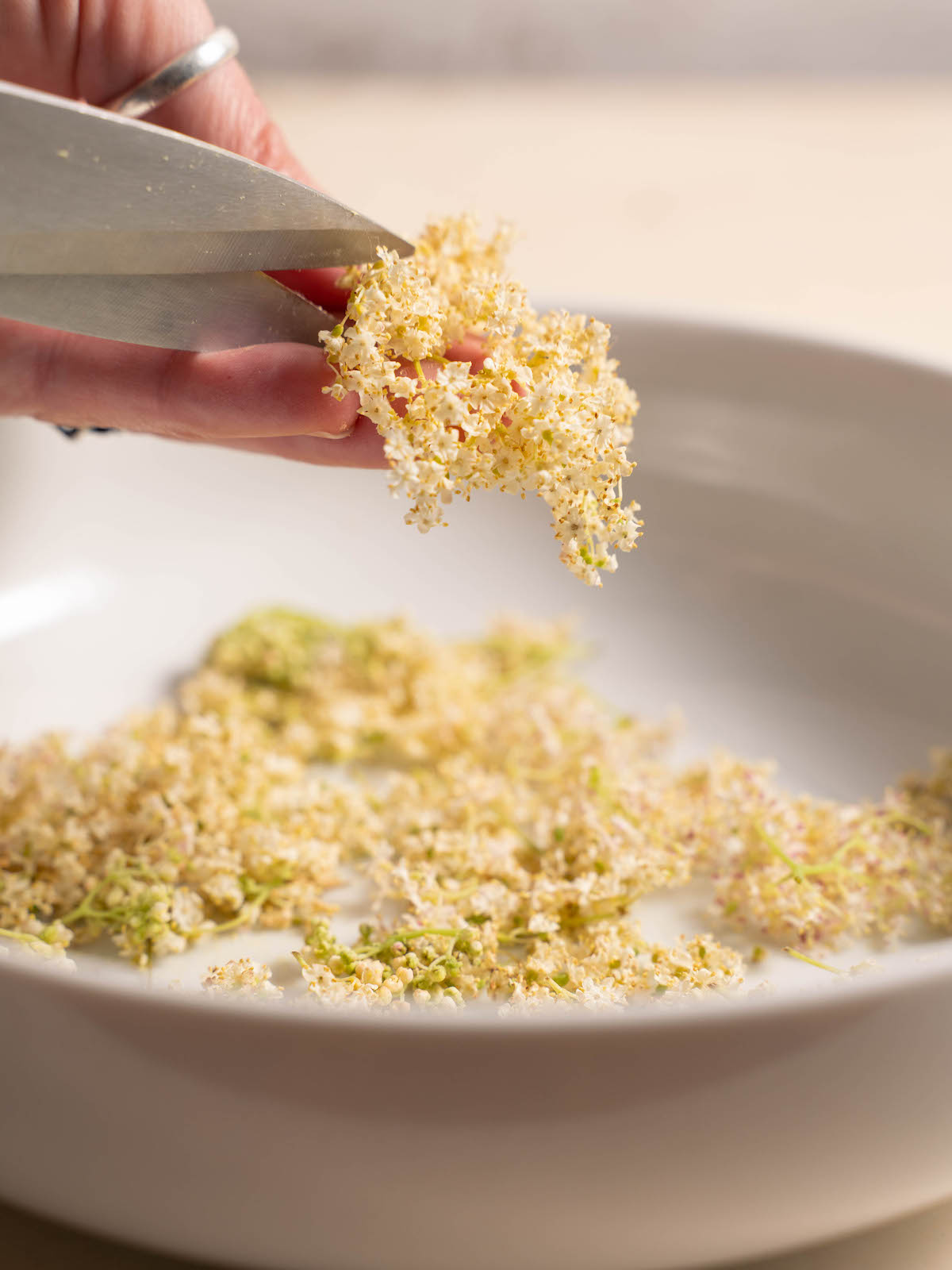
Keep flower stems in water until ready to use so they stay as fresh as possible. Before using in a recipe, carefully pop flowers off the stems, avoiding as much green and stem as possible, as these parts of the plant are mildly toxic.
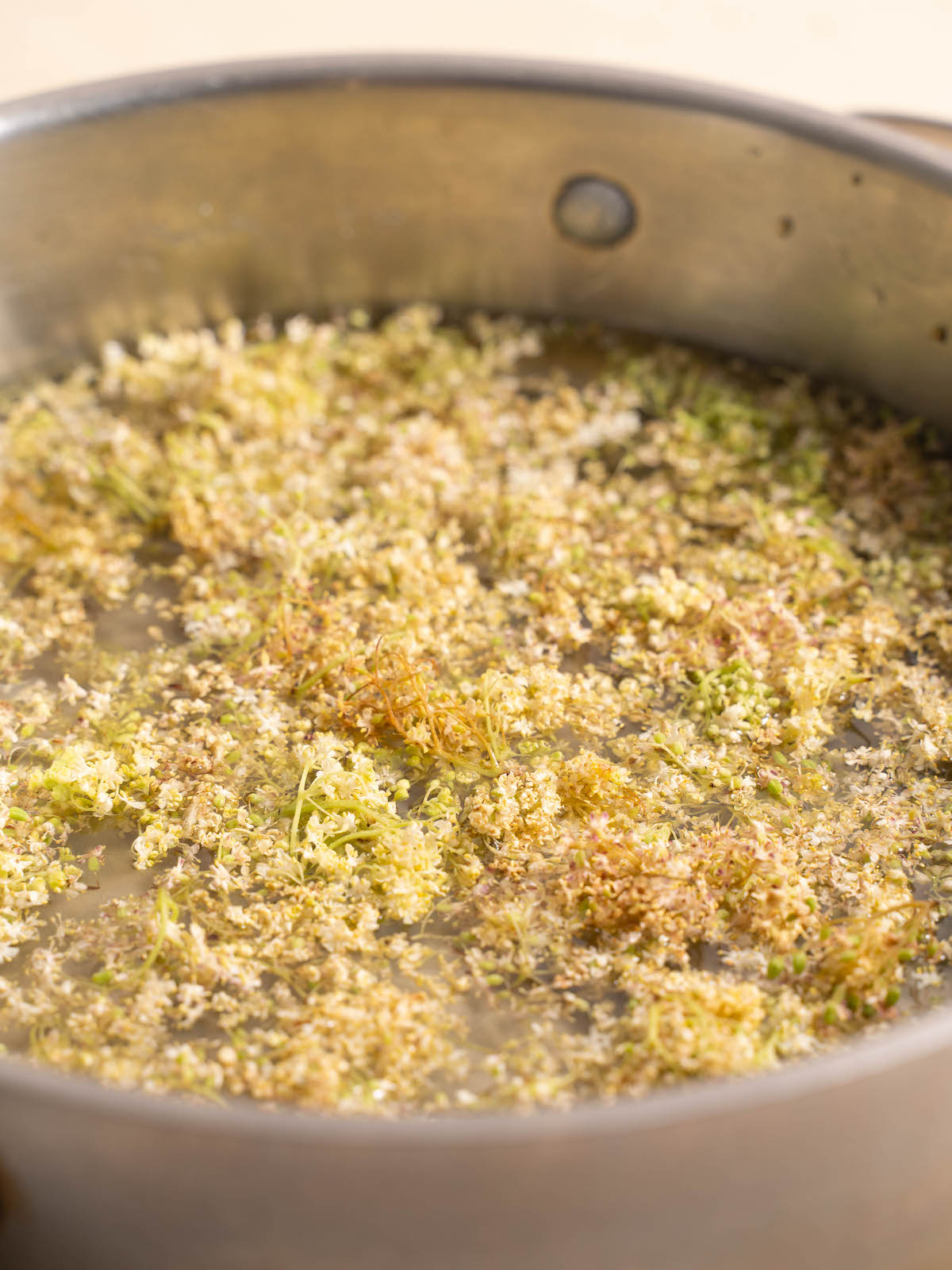
How to use elderflowers:
- Make an elderflower syrup or cordial
- Candy the flowers after infusing in syrup
- Infuse in alcohol for use as a flavoring agent
- Use dried or fresh flowers to flavor desserts & drinks
⚠️ Notes:
Before foraging, make sure you know the difference between elderflowers and water hemlock, a common poisonous lookalike.
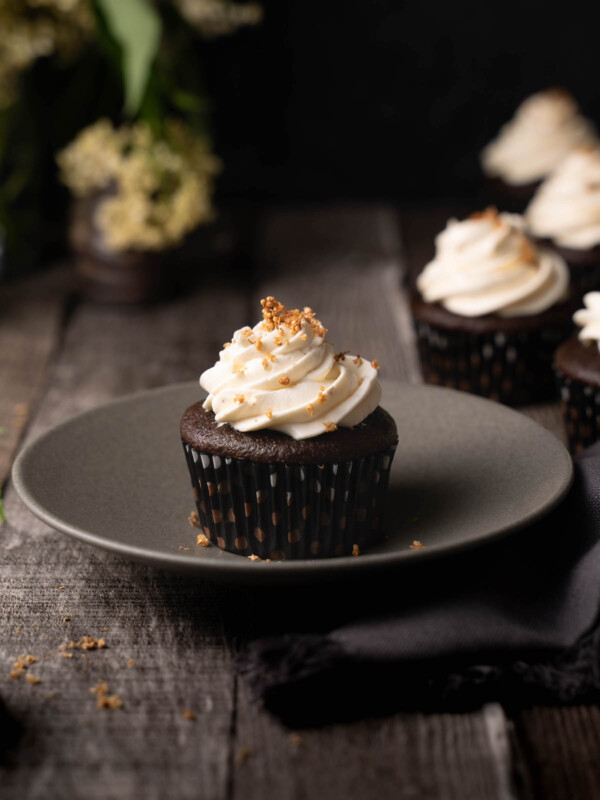
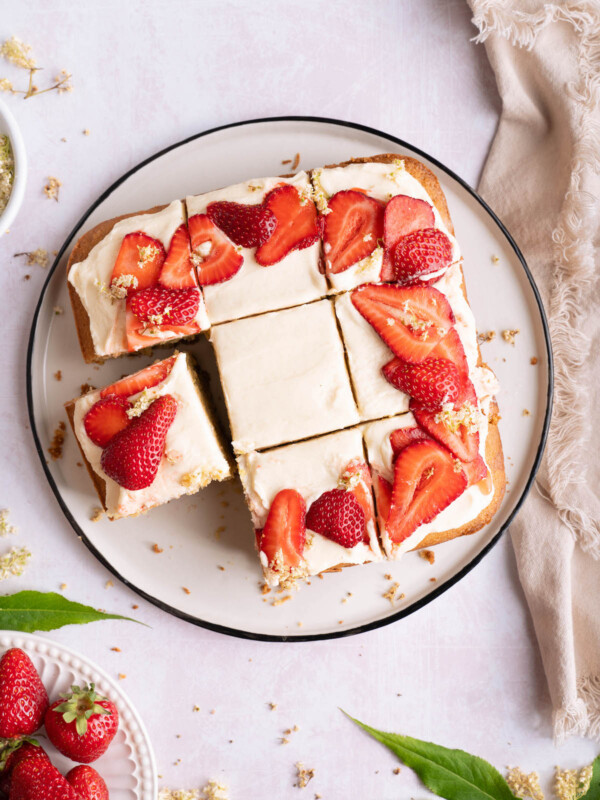
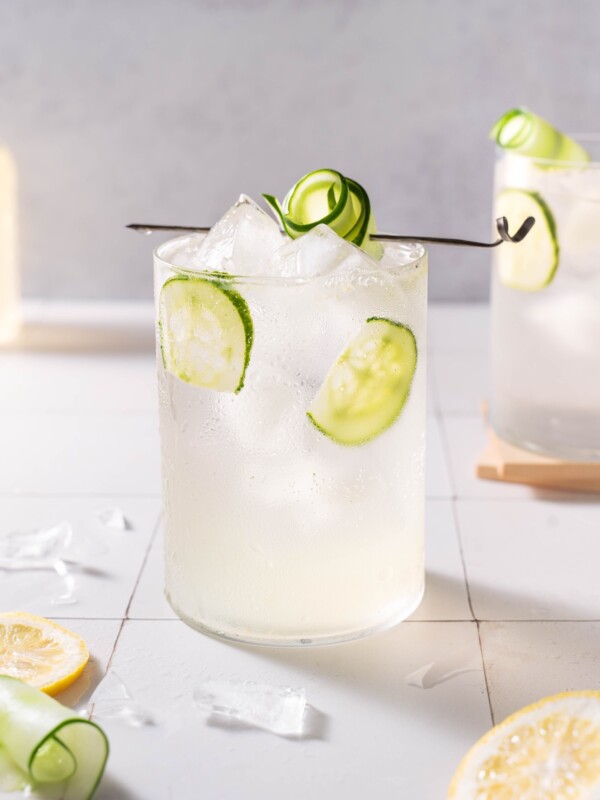
Elderflower recipes
Lilacs (Syringa vulgaris)
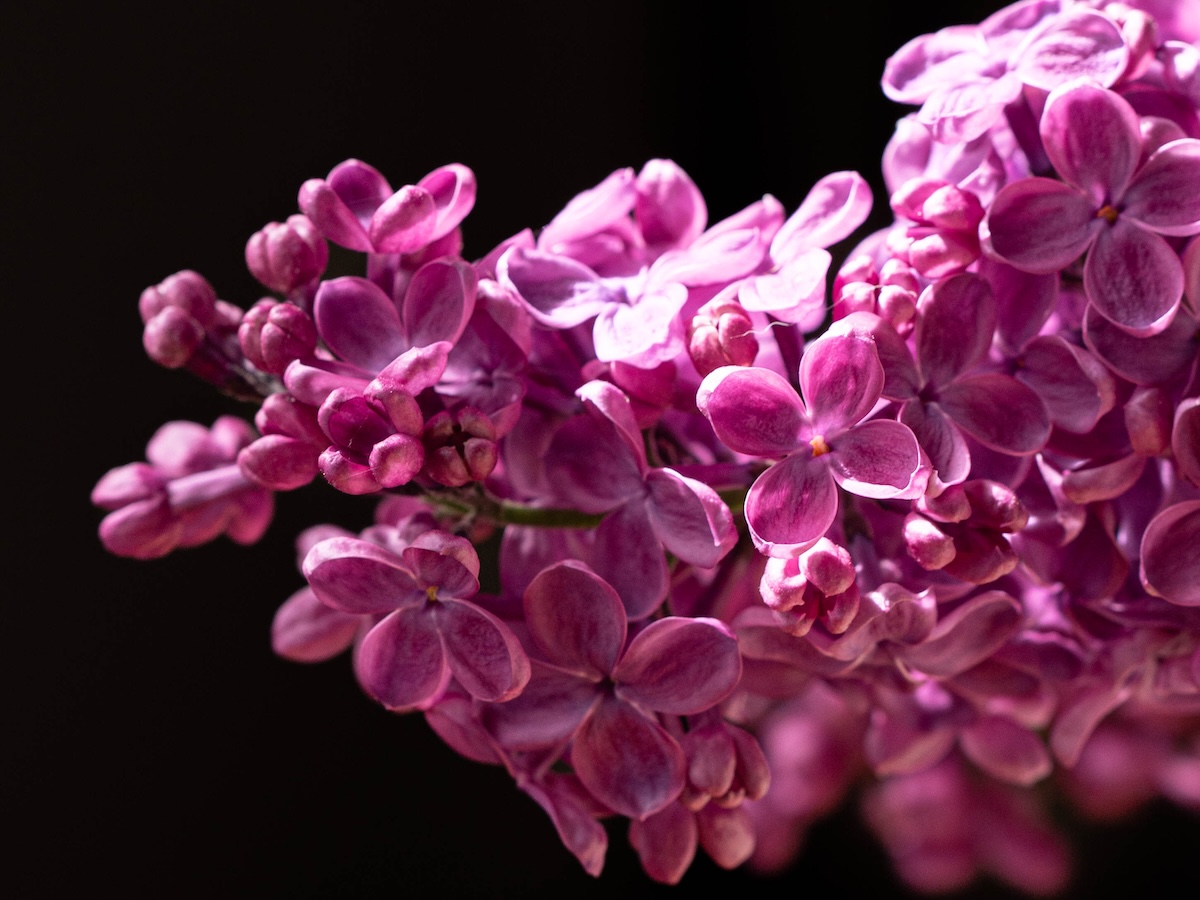
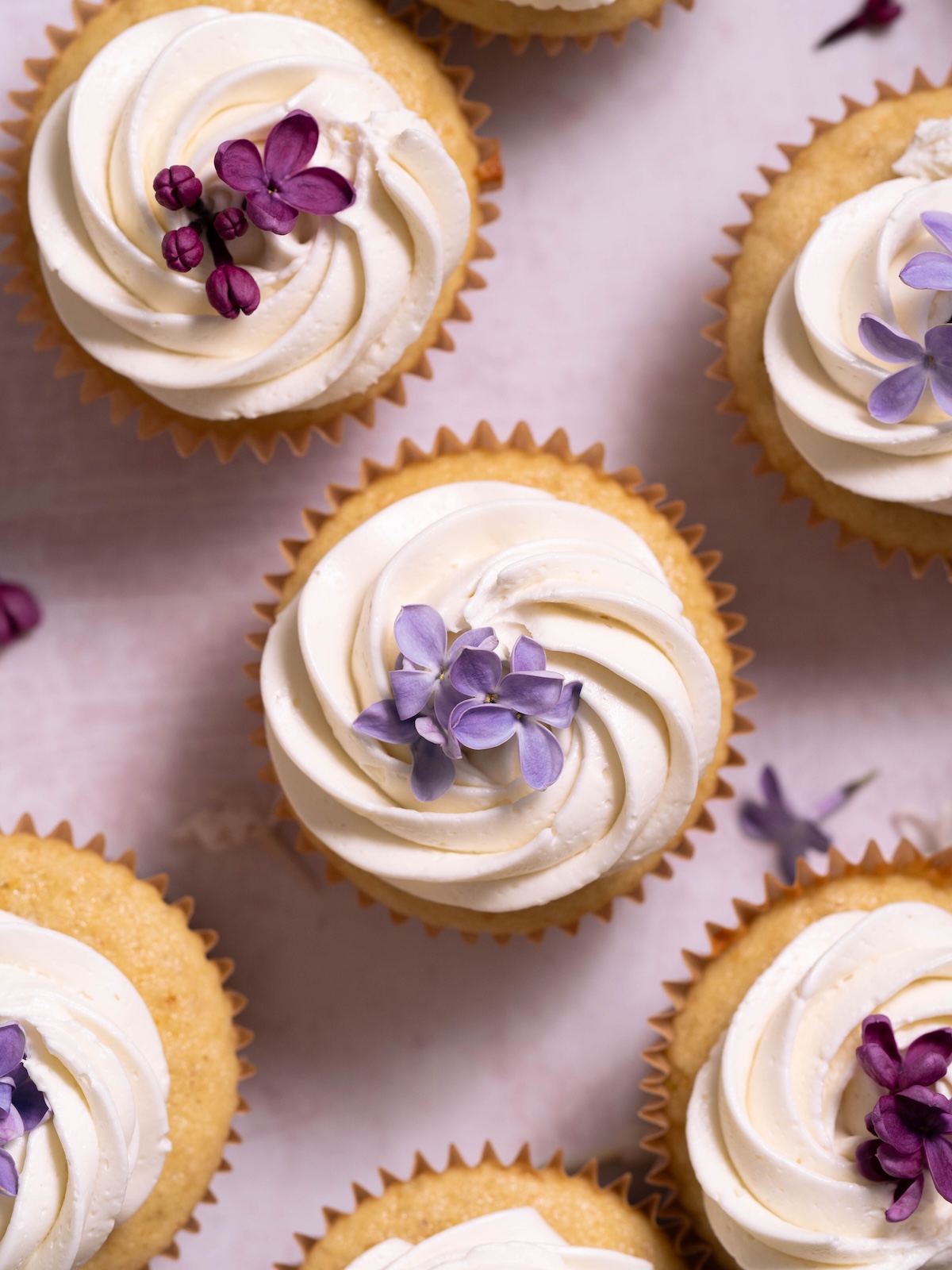
While technically not really a “wild” plant, I wanted to include lilac flowers because they’re a notoriously loved edible spring flower. Their scent is absolutely heavenly and their gorgeous flowers beg to be used in drinks and desserts.
How to identify & where to find:
You can find lilacs growing in gardens and urban landscaping, with clusters of fragrant, star-shaped flowers in a range from white to dark purple.
Best time to harvest:
Lilacs have a short window, so keep your eye on them in the early spring. Here in western Oregon, they typically bloom sometime in April. Harvest lilac flowers in the early morning when flowers have just opened. Use the youngest, freshest flowers you can find.
What do lilacs taste like?
Lilac flowers are aromatic, floral, perfume-y, and sometimes a little citrusy. Their flavor is a bit hard to describe, but they always feel very ethereal to me. If you’re familiar with the smell of lilacs, that’s basically what they taste like, though their flavor can be tough to capture. See my lilac syrup guide for tips!
Preparation notes:
Keep flower stems in water until ready to use so they stay as fresh as possible, and use them the day you harvest them. Lilac flowers are quick to wilt!
You’ll also want to remove as much of the green bits and stems as you can, as they have a bitter taste that will take away from the flowers’ delicate flavor.
How to use lilacs:
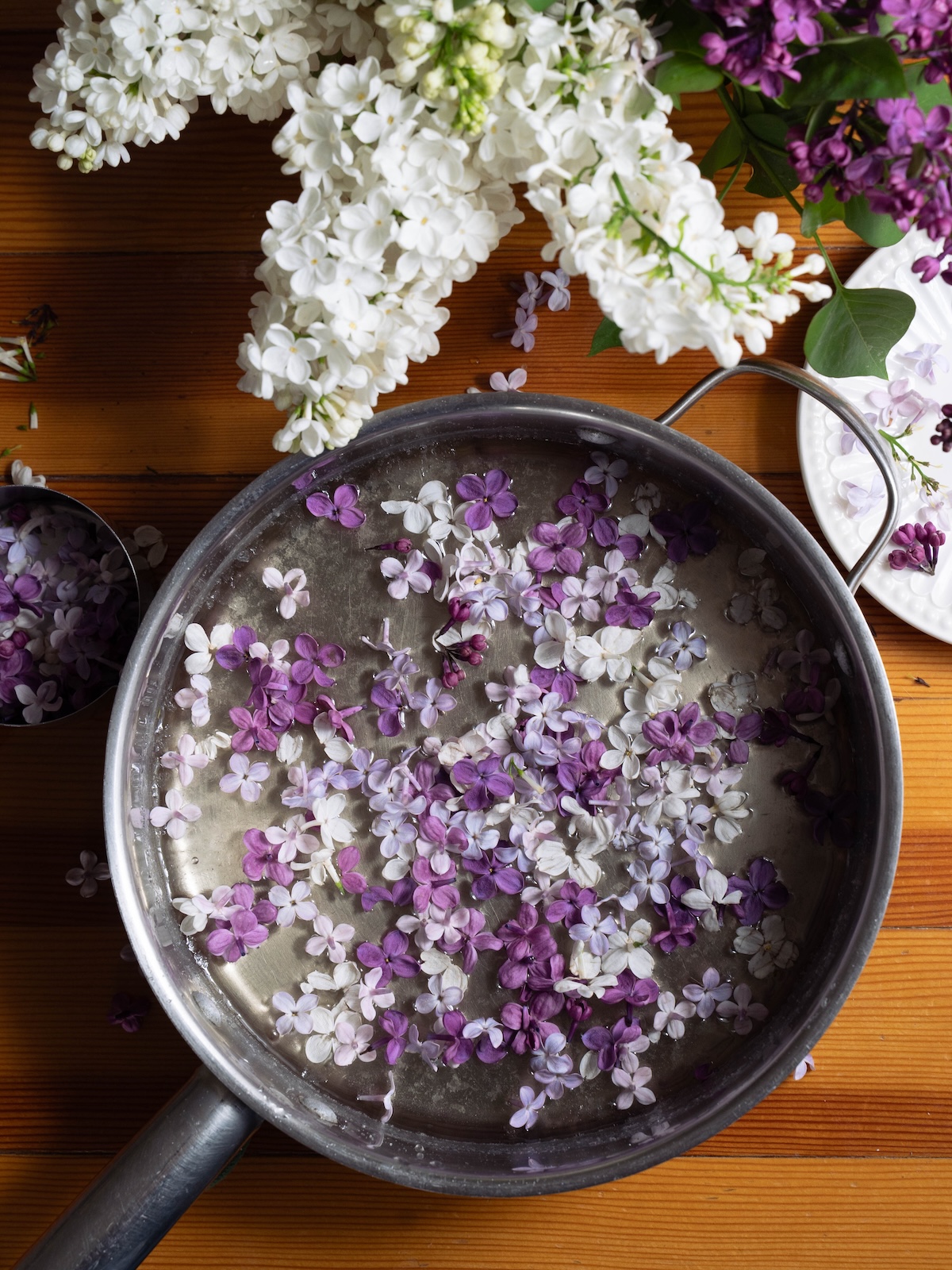
- Make a lilac syrup for drinks and desserts
- Crystallize the flowers by coating in egg white & sugar
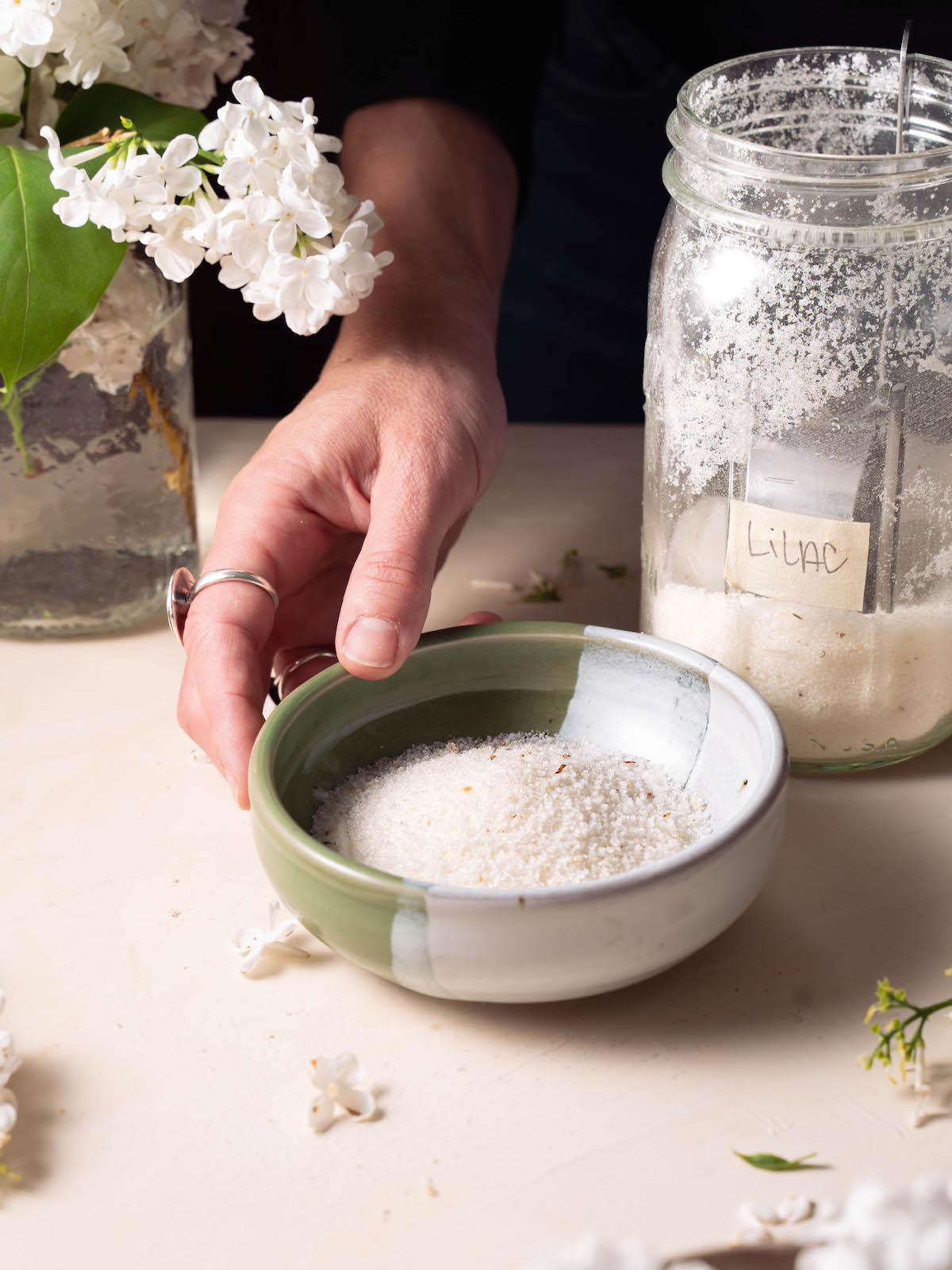
- Blend into sugar for use in dessert recipes
- Infuse in alcohol
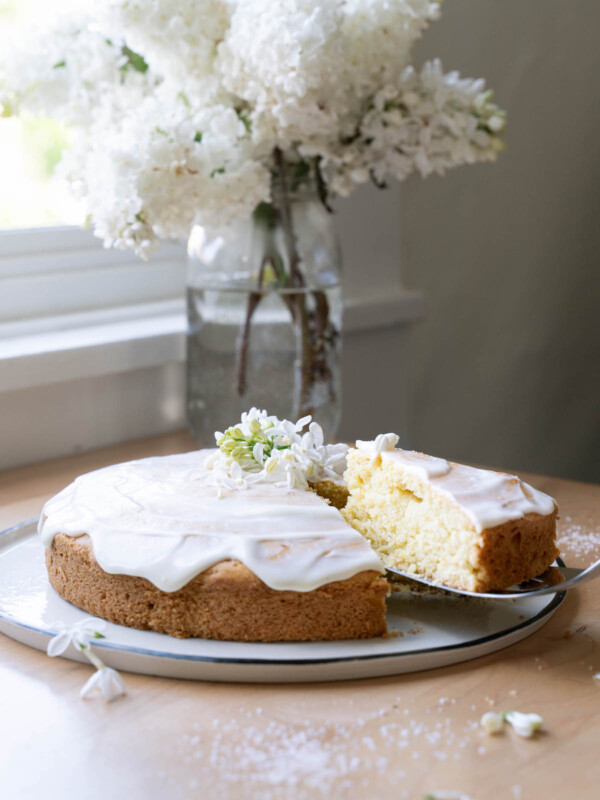
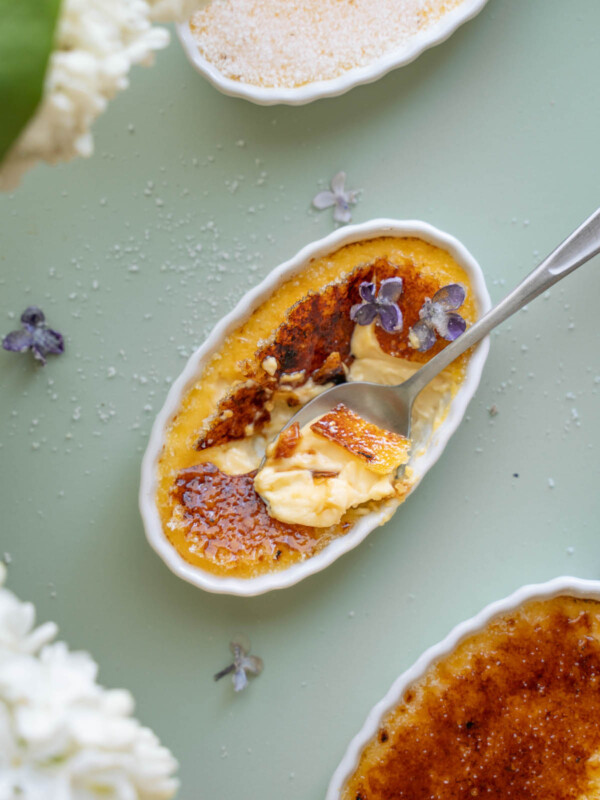
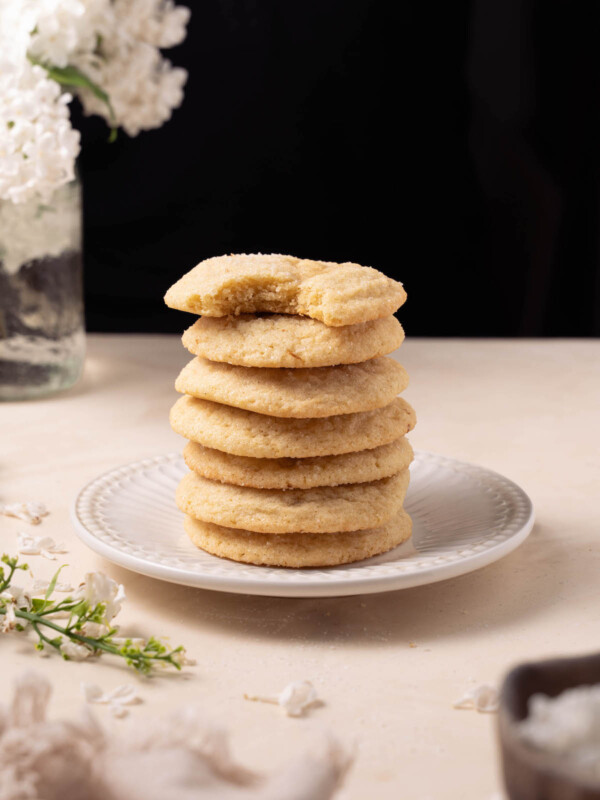
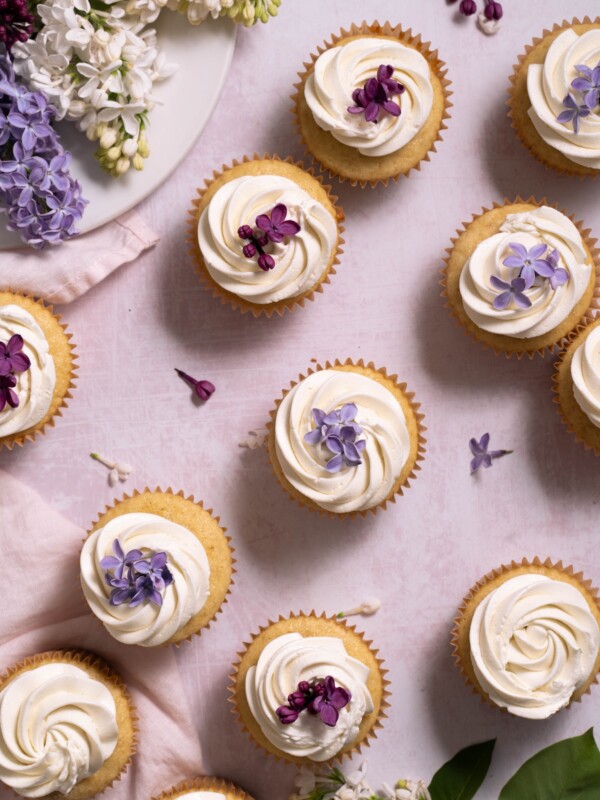
Lilac recipes
Red clover (Trifolium pratense)
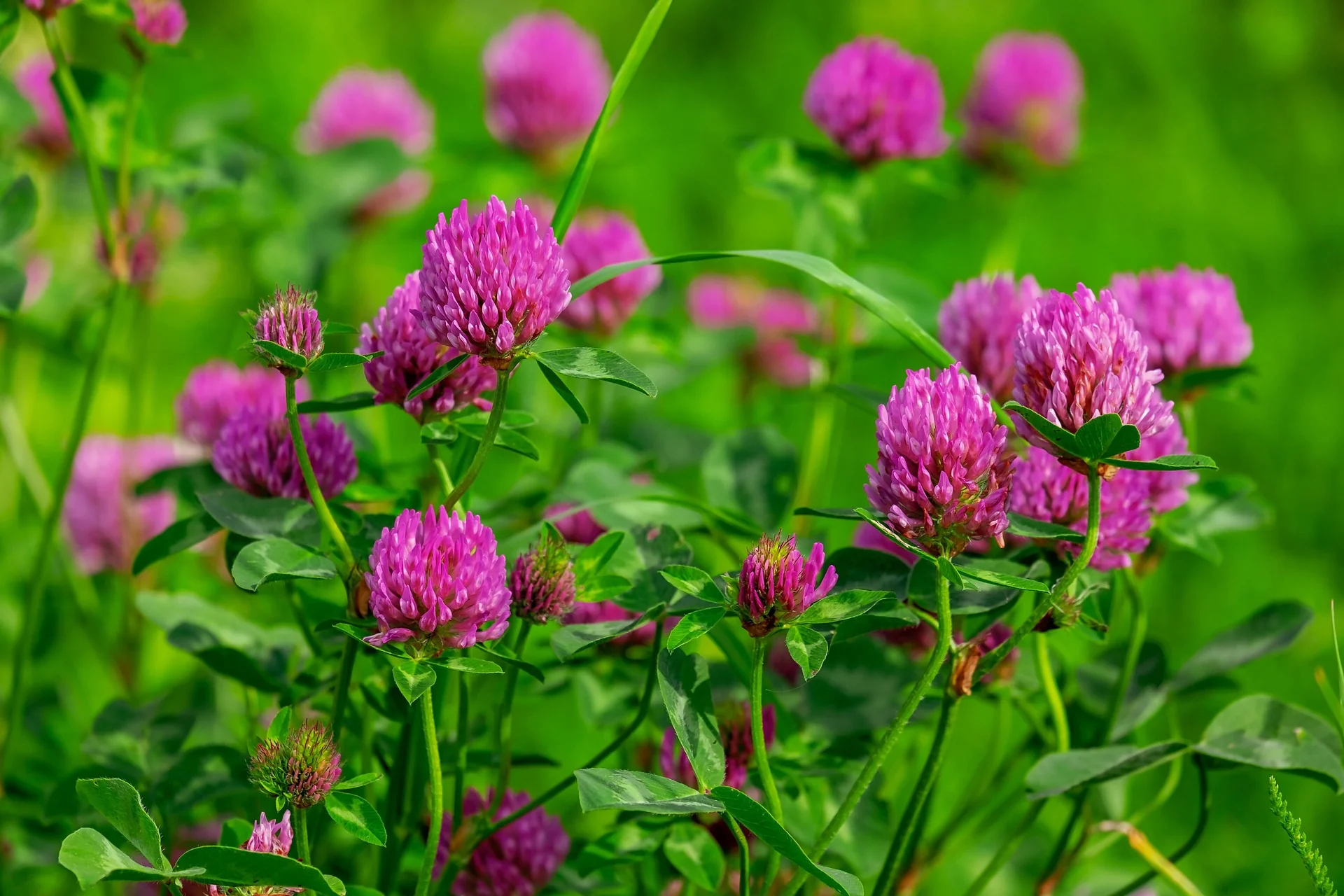
I don’t know if there’s any edible flower more adorable than red clover! Super common and easy to identify, clovers are special in many ways. They’re an important food source for honeybees, they improve soil health, and they’re considered both edible and medicinal. What a powerhouse!
How to identify & where to find:
Look for red clovers in lawns, meadows, pastures, and roadsides. They have leaflets that form in groups of three and puffy pink flowers that are made up of dozens of tiny pea-like florets.
Best time to harvest:
Pick red clover flowers early in the morning. They’re typically in flower around the middle of spring.
What do red clover flowers taste like?
The blossoms are sweet, mild, and floral, with a drop of sweet nectar at the base of the flower.
How to use red clovers in recipes:
- Make a tea with fresh or dried flowers
- Add fresh to salads
- Use as a garnish for focaccia, cakes, or tarts
- Make a sweet floral jelly
- Chop and use in baked goods
Of course, this list is far from exhaustive! There are many other edible spring flowers that grow abundantly in the Pacific Northwest. Here’s a few more you may notice:
- Chicory
- Jasmine
- Black locust
- Linden flowers
- Yarrow
- Daisies
- Pineapple weed
- Chamomile
- Cherry, plum, and apple blossoms
- Hawthorn flowers
Foraging edible flowers is one of the simplest ways to start working with wild ingredients. They’re approachable, beautiful, and incredibly rewarding to use in the kitchen.
Start with just one or two flower varieties, learn how to identify and work with them, and build from there. Before long, you’ll begin to see spring as a time to celebrate nature’s abundance with stunning drinks and desserts inspired by what’s growing in your backyard, neighborhood, or nearby forest.
Want more edible flower recipe ideas?
Check out my flower collection!