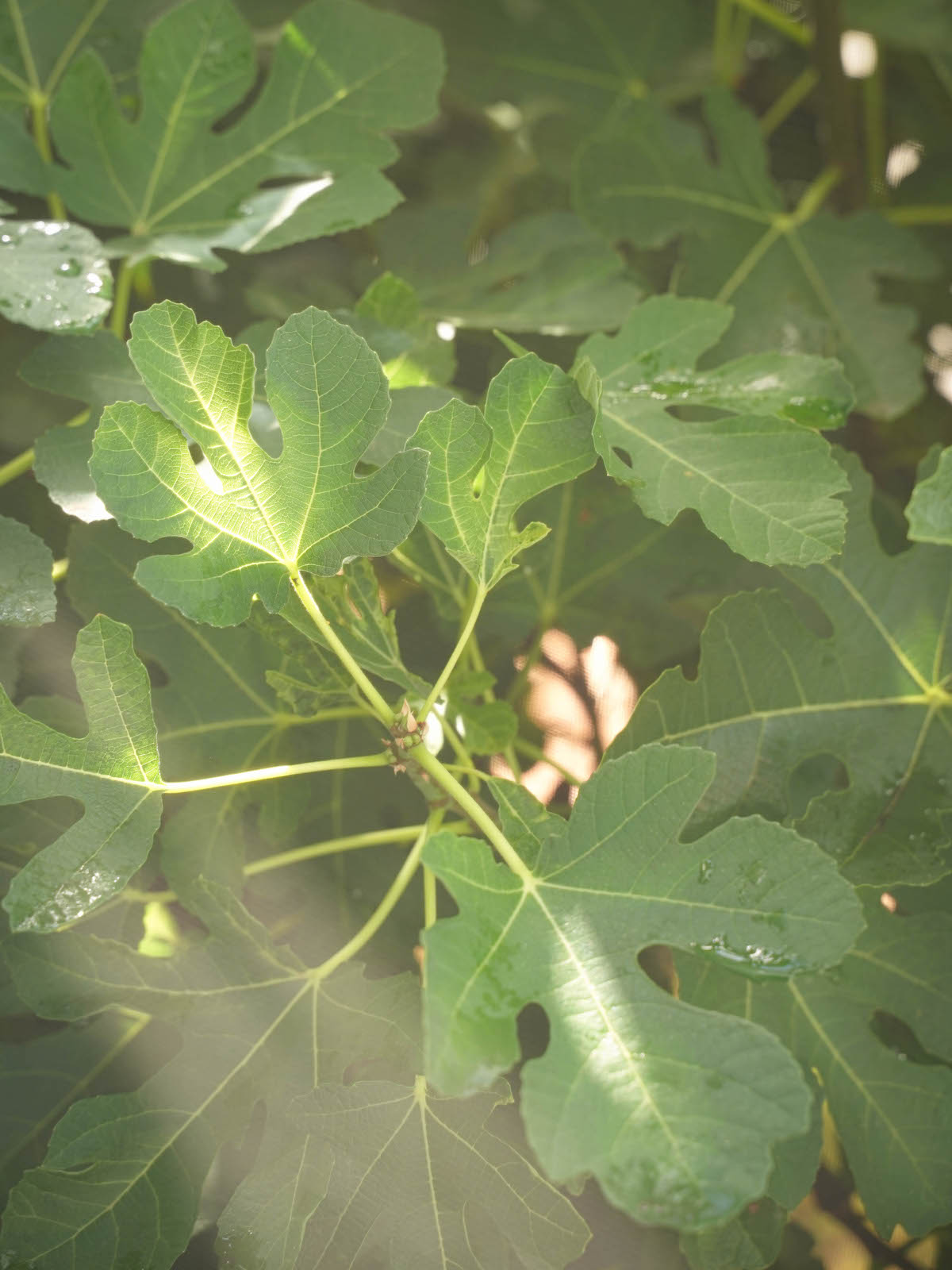
Just in case you’re wondering, the answer is YES, fig leaves are edible. In fact, after years of experimenting with them in my own kitchen, I’ve come to believe they’re one of the garden’s most overlooked ingredients.
Here in the Pacific Northwest, fig trees are everywhere. They grow into enormous, sprawling trees, bursting with plump fruits that take months to ripen. But there’s no need to wait for the harvest. All summer long, those big dinosaur-esque leaves are right there, rustling in the breeze as if waving you over, saying, Look at me, I’m delicious, too!
Fig leaves are remarkably versatile. For generations, cultures around the world have used them in countless ways, from infusing creamy desserts and coffee syrups with their unique coconut-vanilla aroma to wrapping fish, rice, and other foods before grilling or steaming.
In this guide, I’ll show you everything you need to know about cooking with fig leaves, including how to harvest them, when to pick them, how to prepare them safely, and my favorite sweet and savory ways to use this incredible seasonal ingredient.
What do fig leaves taste like?
Fig leaves truly taste like toasted coconut, with hints of vanilla bean, something a little green (like underripe figs?), and something a little nutty (like almonds). They have a tropical scent and flavor, which feels a bit unexpected!
Their aroma is heavenly, and when you bring them inside, it’s sure to lift your spirits. Toast a handful of leaves in your oven and your house transforms into a tropical vacation! It’s not your imagination, either — that surprising aroma comes from a naturally occurring compound called gamma-nonalactone, which gives fig leaves their signature coconut-y fragrance.
This flavor profile makes fig leaves delightful in dessert recipes and drinks, but it absolutely works in savory dishes as well.
Are they safe to eat?
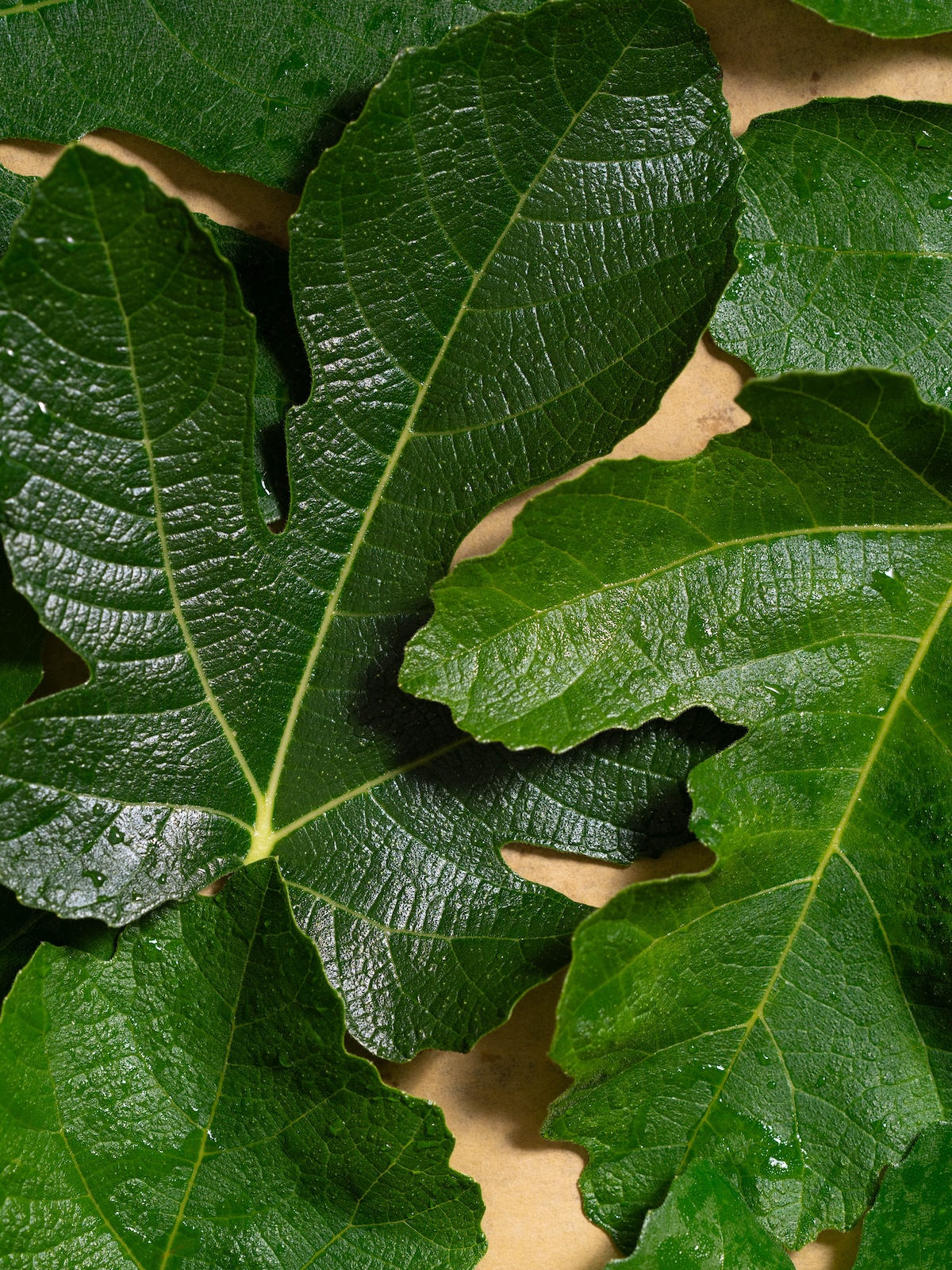
Absolutely! They’re fully edible and safe to eat.
However, you probably don’t want to eat them raw. First of all, the texture would be quite unpleasant (tough and scratchy!). Secondly, the stems emit a milky white latex that can be irritating to skin. It’s possible that ingesting this latex sap could upset your stomach as well.
You can (and definitely should) eat them cooked, toasted, steamed, dried, extracted, or infused into liquids and fats.
Note: In this article, I’m referring to common fig trees that produce edible fruit. These trees have edible leaves, but other plants in the ficus family, like the fiddle leaf fig and rubber plant, are not considered edible.
How to harvest and prepare fig leaves
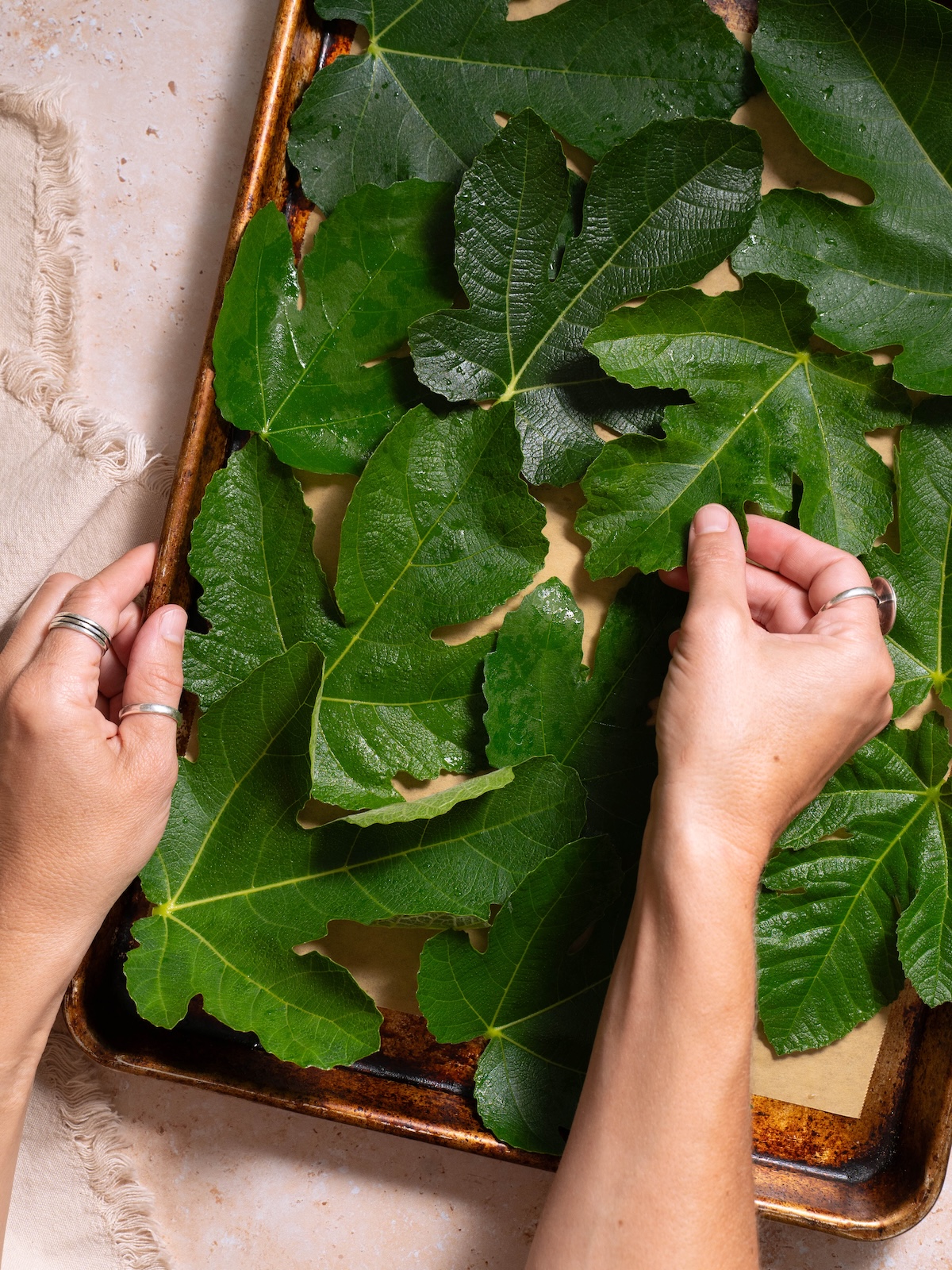
Here’s a few things to consider before you prepare fig leaves for any recipe:
- Pick the youngest leaves. The tender, bright green leaves that emerge from the end of the branches tend to have the best flavor and softest texture.
- Harvest any time between spring and fall. Pick leaves anytime after your fig tree has a healthy supply of leaves, all the way up until the leaves start falling off in autumn.
- Choose leaves that look healthy, free of disease, browning, or pest damage.
- You only need a handful. For most recipes, you really don’t need much. A batch of toasted fig leaf sugar or fig leaf simple syrup only requires 5-10 fresh leaves.
Once you’ve picked your leaves, wash them gently with cool water. Pat them dry or allow them to drip dry. For most recipes, you’ll want to remove the stems.
⚠️ One thing to note: If you have sensitive skin, wear gloves when harvesting or simply avoid touching the white latex. Watch your hands after picking fig leaves (and wash the leaves, too!).
Cooking with fig leaves
There are countless ways to cook with fig leaves, from infusing desserts with their tropical aroma to wrapping fish, rice, and vegetables before grilling or steaming.
A few years back when I posted a video about fig leaves on TikTok, I was amazed by the response. People from all over the world shared how their families have been using fig leaves for generations. There were so many fun and interesting ideas, and I’ve sprinkled many of those community tips throughout this guide.
Here’s the best ways to cook with fig leaves:
Wrapping food. Similar to using grape leaves, banana leaves, or corn husks, many cultures use fig leaves to wrap food, which can then be steamed, grilled, or smoked. Some people use the leaves to make dolmas. Others wrap meat, fish, or soft cheeses.
Community tips
🇻🇳 A reader from Vietnam shared how their family mixes sliced cooked pork with fish sauce, minced garlic, MSG, sugar, and toasted rice powder before wrapping the mixture in fresh fig leaves and steaming it. Yum!
🫔 Another reader told me she uses blanched fig leaves to wrap homemade dolmas. She even saves the blanching water to flavor other dishes afterward. Genius!
🍠 Another suggested wrapping garnet yams in fig leaves before steaming for a subtle coconut-like aroma.
Infusing sugar & syrups. The flavor of fig leaves is easily extracted in a hot simple syrup, or ground into sugar. You can then use these to flavor and sweeten endless drinks and desserts.
Community tip
🇲🇽 A reader from Mexico shared that her aunt makes a fig leaf syrup for buñuelos, complemented with panela and warm spices like cinnamon, cloves, and star anise. I’ve gotta try this!
Infusing liquids & fats. Similarly, the flavor can be infused into oil, vinegar, butter, cream, or milk.
Baking and cooking with whole leaves. Leaves can be placed on top of a pot of rice, under a layer of cake batter, or beneath veggies while they bake. Their fragrance will perfume the dish as it cooks.
Toasting & powdering. Toasting brings out a bit more depth of flavor and stronger toasty notes (no surprise there!). Crumble toasted fig leaves and use as a spice, or mix it with sugar or salt to make a seasoning blend.
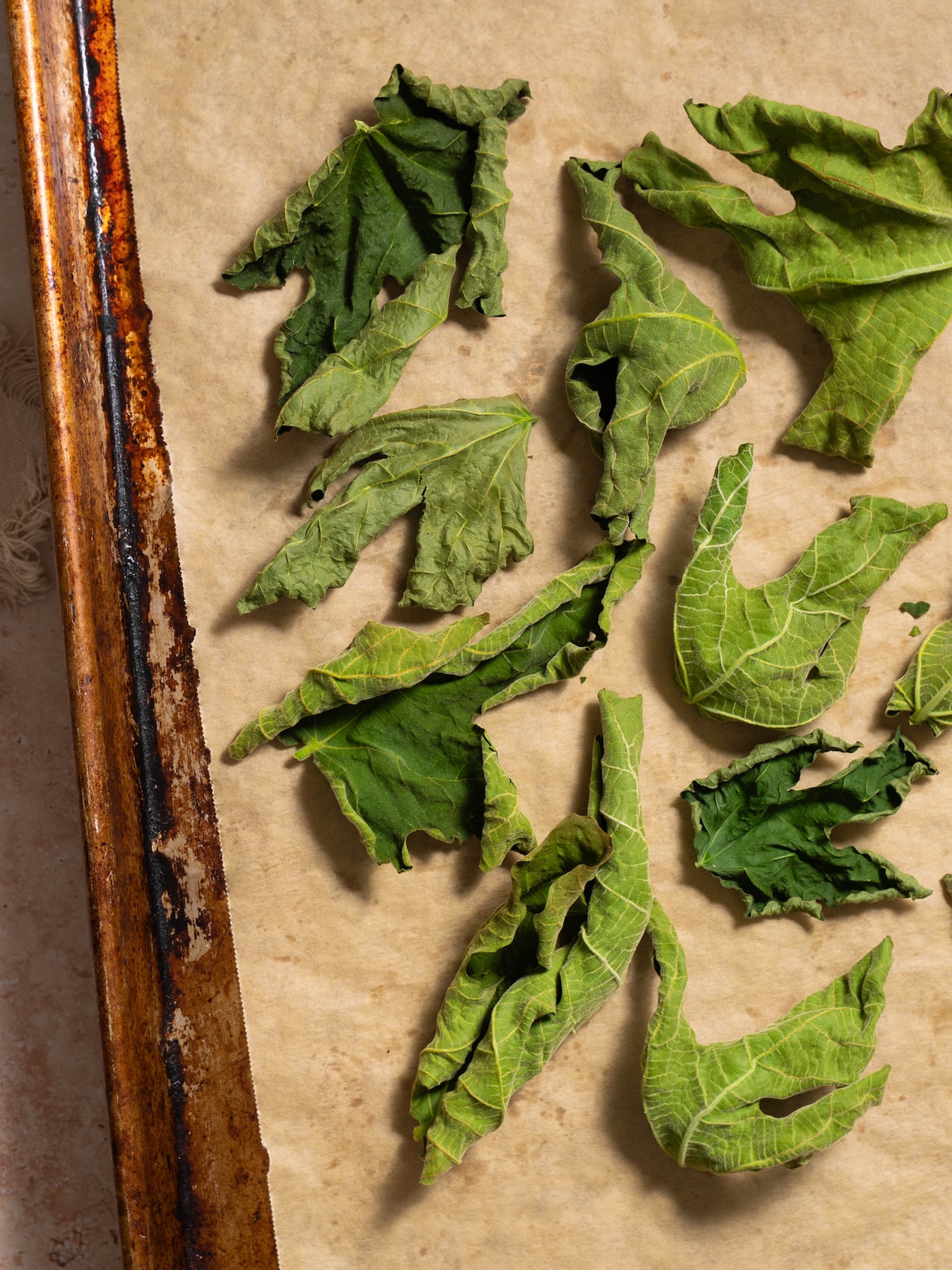
Smoking. The leaves can also be smoked briefly, until dry and crisp. Use for seasoning salts, tea blends, or adding to baked goods.
Using as a tea. Perhaps simplest of all, fig leaves make an excellent tea. The dried leaves can be infused in hot water, then enjoyed either hot or over ice.
Community tips
🍚 One viewer shared that they cook their rice in fig leaf tea, yet another way to flavor rice with the leaves!
🍵 Another said they roll the leaves up tight, tie them to a string, and dry them upside down. Then, they simply use the bundle like its own tea bag!
🫖 Yet another shared that she loves the tea for its inflammatory and anti parasitic properties, mixing dried fig leaves with cinnamon, cloves, nutmeg, ginger, and an orange slice, sweetened with a little honey.
Essential base recipes
Use any of these recipes as foundations to create endless fig leaf deliciousness!
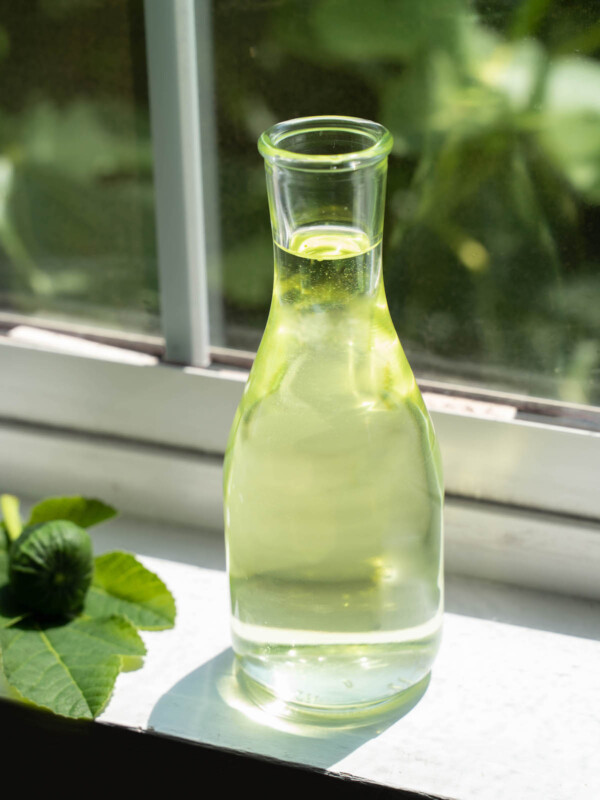
Fig leaf syrup. Cook 1 cup of sugar and 1 cup of water until the sugar dissolves, then add fresh or toasted fig leaves and let them infuse in the syrup for an hour or two. Strain and use the syrup for cocktails, Fig Leaf Lemonade, desserts, and more.
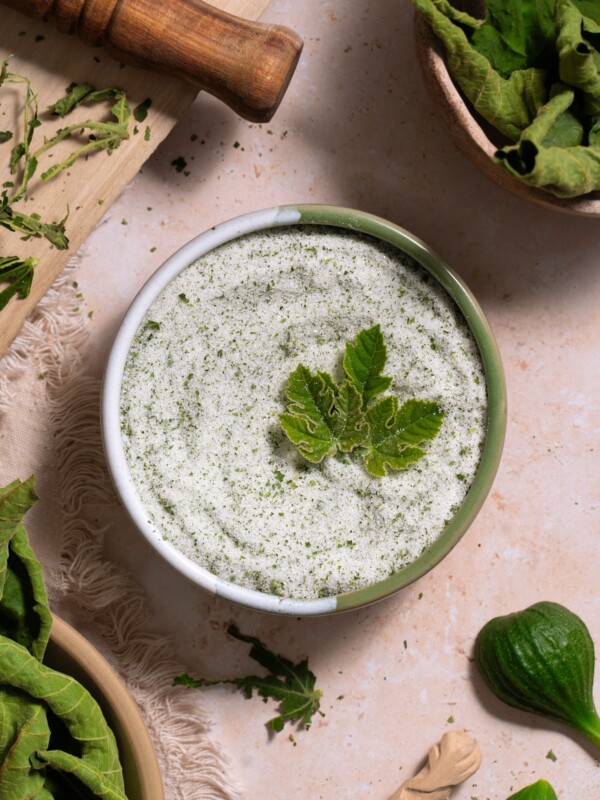
Toasted fig leaf sugar. Toast fig leaves until curled and brittle. Crumble them up into a rough powder and mix into sugar, then use this infused sugar in absolutely everything.
Infused salt. The same idea as above, but mixing toasted fig leaves with salt instead of sugar for better use in savory applications.
Infused milk/cream. Heat milk or heavy cream just until warm to the touch, then slide in a few fig leaves, cover with a tight lid, and infuse for at least 15 minutes. Use about 3 leaves per cup of milk or cream.
Fig leaf oil. Blanch fig leaves, squeeze out excess water, then blend thoroughly with a neutral oil. Strain with something very fine (nut bag, coffee filter, etc) and drizzle on any and everything (cheese, ice cream, bread, meats, veggies…) or use in dressings. Find a little more detail in this fig leaf article from Serious Eats.
Smoked fig leaves. Follow these simple instructions for smoking fig leaves in this recipe for Smoked Fig Leaf Cookies. Then make the cookies or use the smoky leaves for any recipe you please.
Sweet fig leaf recipes
Here are the internet’s best current sweet recipes using fig leaves. I will keep this updated as I continually create, discover, and find new recipes!
Baked goods:
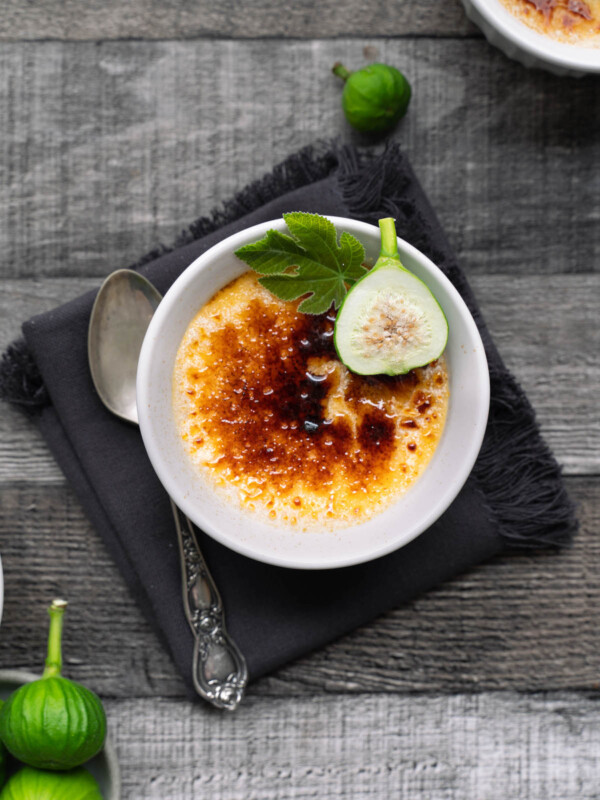
- Fig Leaf Crème Brûlée
- Fig Leaf Panna Cotta from Beyond Sweet and Savory
- Smoked Fig Leaf Cookies from The Splendid Table
- Fig Leaf Olive Oil Cake from Graza
- Almond Pound Cake with Fig Leaf Creme Fraiche by Day with Mei
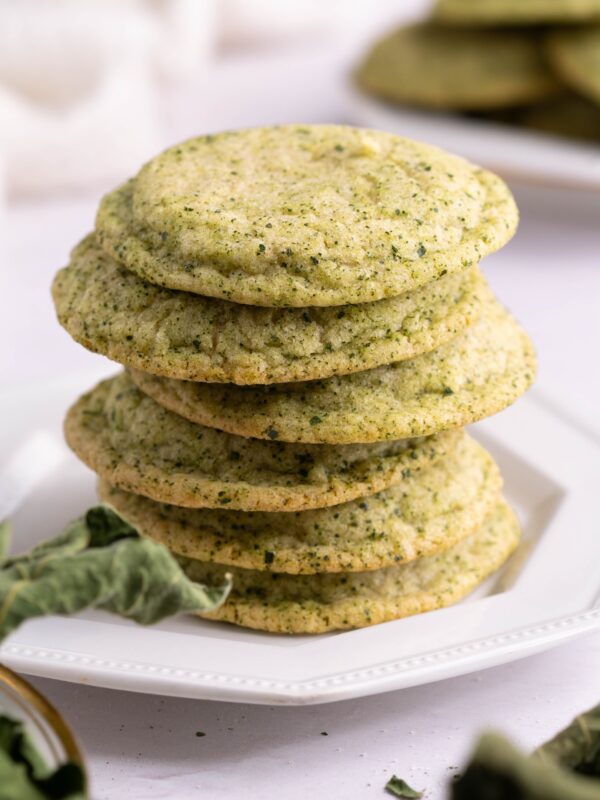
- Fig Leaf Snickerdoodles
Frozen desserts:
- Fig Leaf & Honey Ice Cream from David Lebovitz
- Toasted Fig Leaf Ice Cream from Coco et Sel
- Fig Leaf Gelato from Dominica Cooks
Fig leaf drinks
Cocktails & mocktails:
- Fig Leaf Gimlet by Emily Fabulous
- Fig Leaf Mojito (makes a big batch of fig leaf rum!)
- Basic mocktail: Fig leaf syrup + fresh lemon or lime juice, topped with bubbly water or coconut water and lots of ice
Other drinks:
- Coffee: Add a tablespoon or two of crumbled, toasted fig leaves to your ground coffee, then brew as usual.
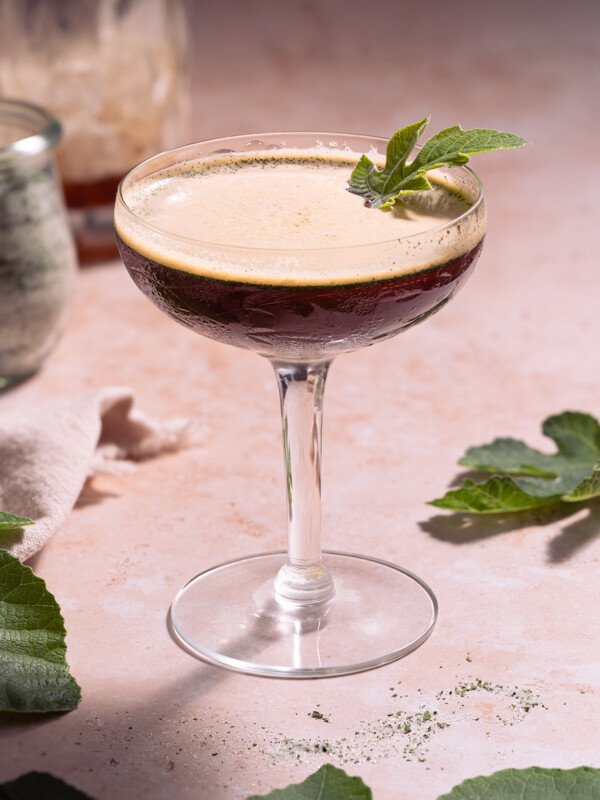
- Fig Leaf Shakerato (iced shaken espresso!!)
- Fig Leaf Lemonade
- Fig leaf tea: Dry the leaves, crumble them slightly, then steep in hot water for 5 minutes or so. Strain. Serve hot or allow to cool, then pour over ice. Enjoy as is or add cream, milk, honey, or sugar.

Savory fig leaf recipes
Sides:
- Fig Leaf Coconut Rice from 101 Cookbooks
- Basic fig leaf rice: Just throw a fresh fig leaf on top of your rice while it cooks!
- Fig Leaf Dolmadas from The Cooking Apprentice
- Sweet potatoes steamed in fig leaves
Mains:
- Grilled Chicken Dumplings in Fig Leaves by Judy Matusky
- Salmon Baked in Fig Leaves from Food & Wine
- Fig Leaf Roasted Fish Packets with Fig Sauce by Whisk & Dine
- Salmon with Fig and Walnut Salsa Verde by Mom’s Kitchen Handbook
FAQs
I don’t recommend it! Try drying or toasting them first, or cook them using any of the techniques in this article.
Yes, you can freeze fresh fig leaves. Just stack cleaned & dried leaves in a short pile and freeze in freezer bags, squeezing out as much air from the bag as possible. Vacuum sealing is even better to prevent freezer burn!
Absolutely! Hang them in bundles upside down from their stems, or lay them out in a single layer in a well ventilated area, or use a food dehydrator or low oven. With any method, let them dry until they’re completely crispy and brittle. You can then safely store them in airtight containers in a dark cupboard for up to a year.
No, common houseplants like fiddle leaf fig and rubber plant are considered toxic.
You sure can, but they may be a bit fibrous. You’ll want to cut out any larger veins, which can be stringy and tough. If you plan to eat fig leaves after cooking (for example, after steaming salmon in fig leaves), try to pick the freshest, most tender leaves you can.
I personally think the younger ones are best! They’re tender, soft, fresh, and fragrant.
Join me in my fig leaf obsession!
I hope this guide has inspired you to look at your fig tree a little differently. Those giant, gorgeous leaves that are so often overlooked are actually one of the most fascinating seasonal ingredients hiding right in plain sight.
However, this guide is just the beginning. The world of cooking with fig leaves is incredibly creative, and I know there are countless traditions, family recipes, and experiments still waiting to be discovered.
Have you ever cooked with fig leaves? I’d love to hear what you’ve made! Leave a comment below and share your favorite fig leaf recipes, traditions, or ideas. Let’s keep adding to this collection of fig leaf inspiration together!