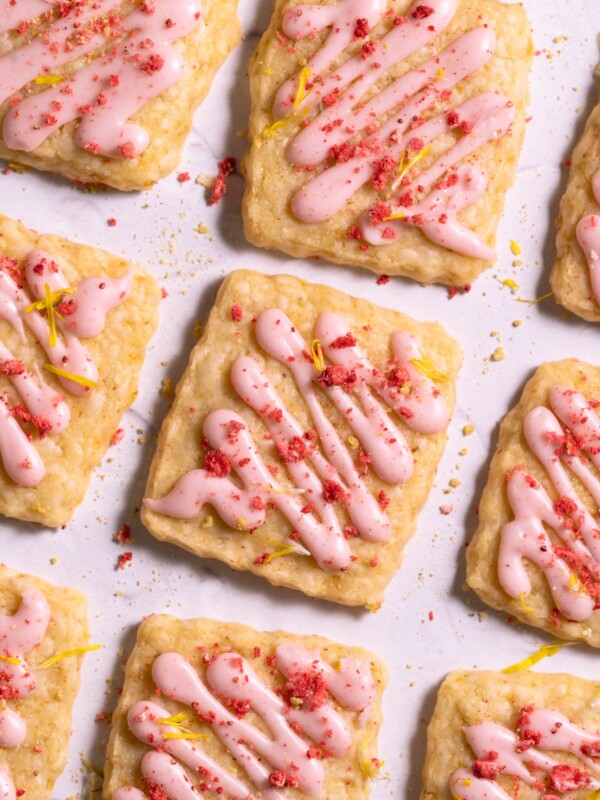
Let’s talk about how to use edible flowers! In this guide, I’ll introduce you to the tried-and-true techniques I use on repeat to bring floral flavor to desserts, drinks, and baked goods. You’ll learn how to extract the best flavor, which flowers work best for certain methods, and how to properly store it all, with plenty of flower recipes along the way.
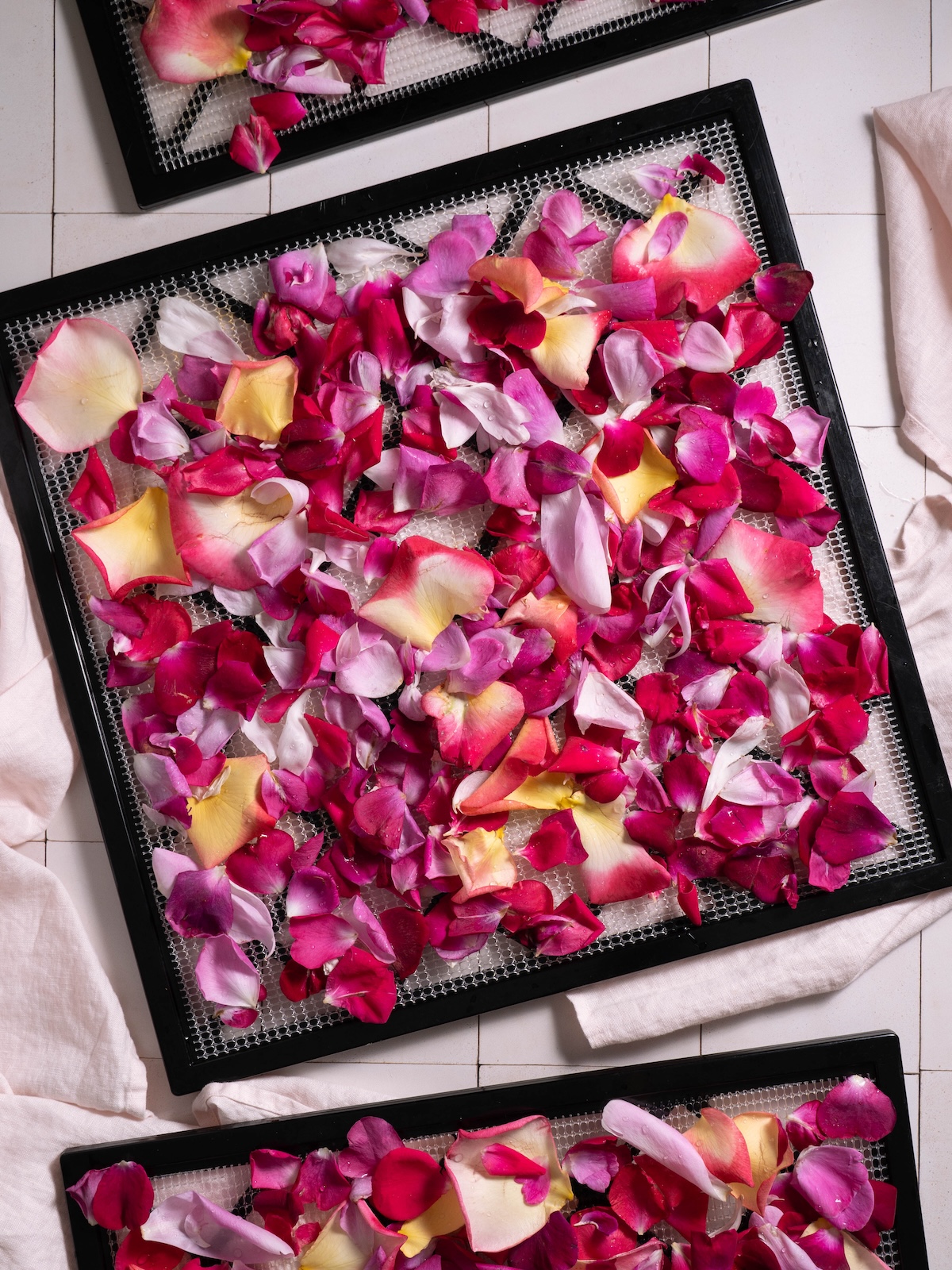
Understanding floral flavor
Of all the ingredients I love to bake with, edible flowers are absolutely my muse. Through my years working in professional kitchens, developing recipes, gardening, and foraging, I’ve spent a long time exploring the flavors of edible flowers and learning how to bring them into desserts, drinks, and baked goods.
What fascinates me most is that every flower behaves a little differently. Some release their flavor readily into hot cream or syrup, while others need a gentler touch. Some are intensely fragrant, while others are delicate and difficult to capture. Through my obsession, I’ve spent countless hours researching, testing, and experimenting with different flowers to better understand how their unique aromatic compounds behave in recipes.
What I discovered is that, despite their differences, most edible flowers respond well to the same handful of techniques. Whether you’re hoping to flavor cookies, infuse frosting, enhance a cocktail, or decorate a cake with fresh flowers, these foundational methods are the best way to bring real floral flavor to any recipe.
In this guide, I’ll show you how to source edible flowers safely, which flowers are best for cooking and baking, and the six techniques I use most often to capture their flavor. By the end, you’ll understand not just how to use edible flowers, but how to get the very best flavor from them in your own recipes.
Where can I get edible flowers?
Once you become familiar with just how many flowers are actually edible, you’ll start to realize they’re easier to find than you may have thought. They’re really everywhere – your garden, your neighbor’s garden, trails, forests, fields, urban landscaping, even cracks in the sidewalk.
Of course, the best source is your own garden! When you grow them yourself, you can plant all your favorites and rest assured knowing they’re safe for consumption, unsprayed, and not contaminated by pollutants.
But if you’re not really the foraging or gardening type, they’re also available for purchase. You can buy fresh and dried edible flowers at farmers markets, herb shops, gourmet grocery stores, and online shops.
🌺 My favorite online sources for edible flowers: Mountain Rose Herbs (dried), Starwest Botanicals (dried), Gourmet Sweet Botanicals (fresh)
What flowers are edible?
So many! It’s almost impossible to list them all, and I honestly discover new ones every year. Here’s a quick list of edible flowers that are commonly found and notoriously loved:
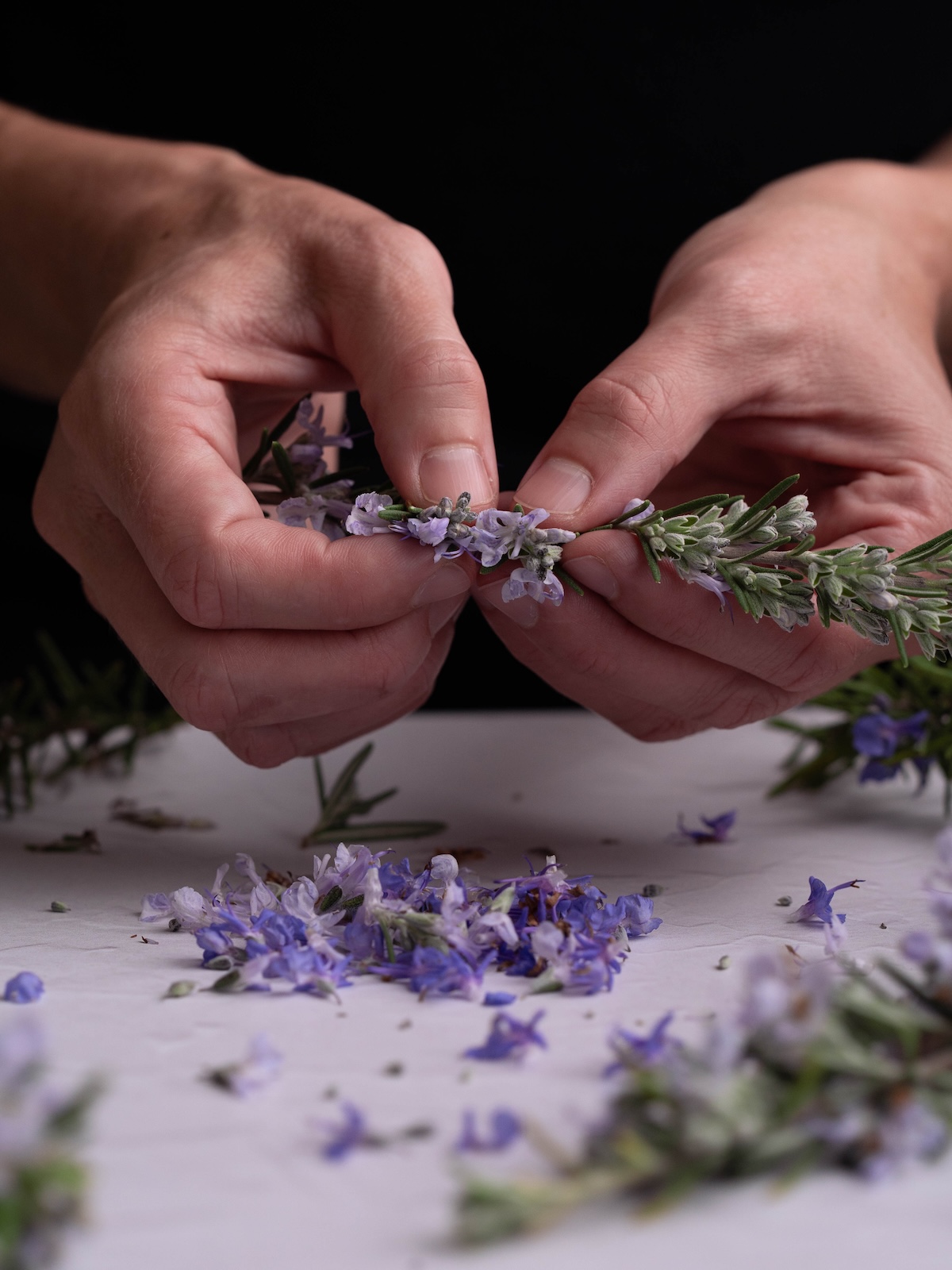
- Herb flowers (rosemary, basil, thyme, cilantro, fennel, mint, sage, chive blossoms)
- Berry & fruit blossoms (strawberry, raspberry, blackberry, salmonberry, cherry, plum, apple, peach)
- Garden flowers (borage, nasturtium, calendula, violet, pansy, lilac, chamomile, rose, peony, fuchsia, bee balm, geranium, begonia, rose of sharon, hibiscus, wisteria, jasmine, grape hyacinth, lavender, carnation, bachelor’s button, dahlia, celosia, marigold, nigella, hollyhock)
- Vegetable flowers (cucumber, zucchini, arugula, broccoli, mustard flower)
- Wild flowers (dandelion, magnolia, elderflower, wild rose, hawthorn flower, chicory, black locust, red & white clover, honeysuckle, wild daisy, veronica, pineapple weed, linden flower, fireweed, marshmallow, goldenrod, evening primrose, wild currant)
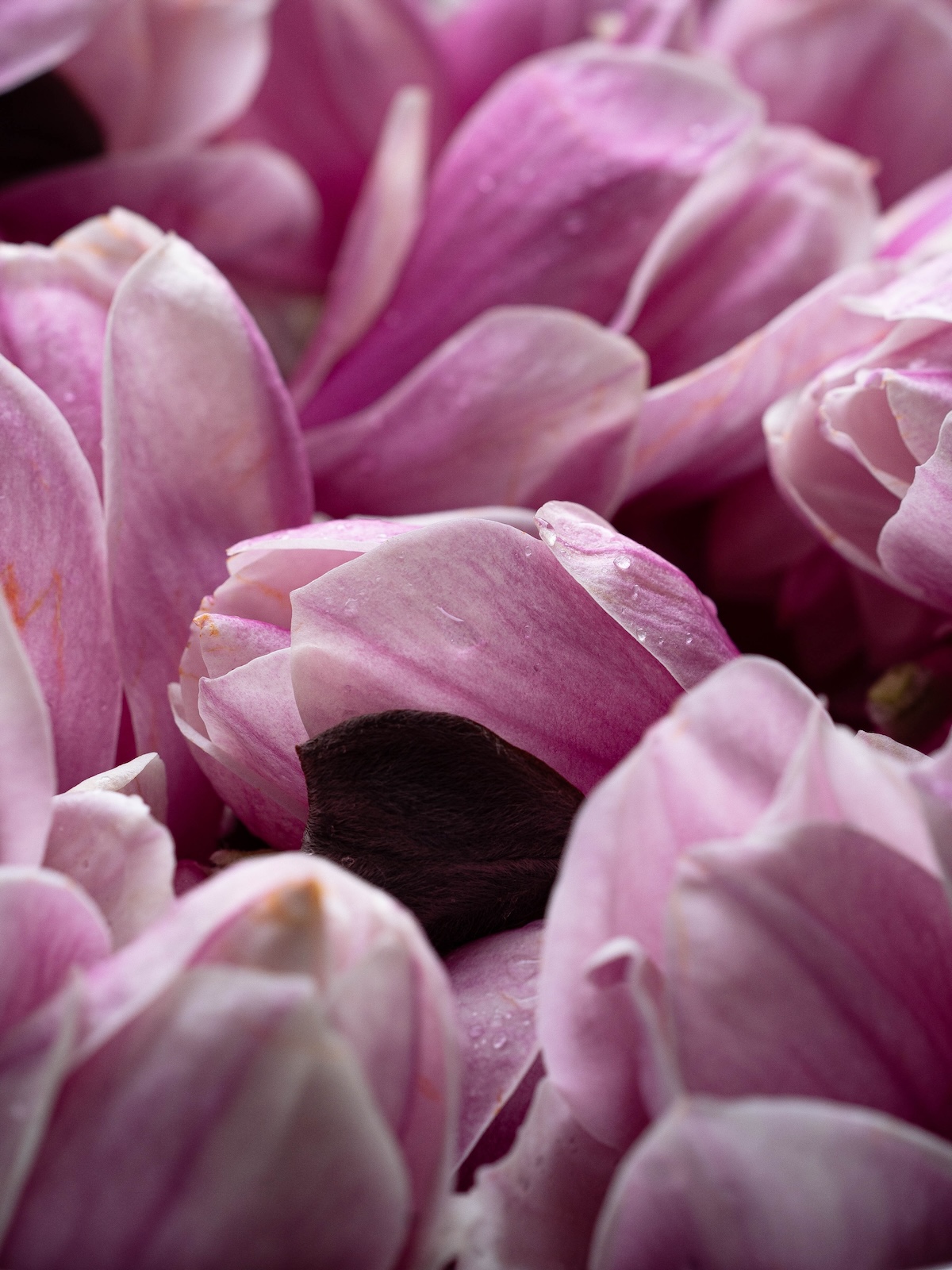
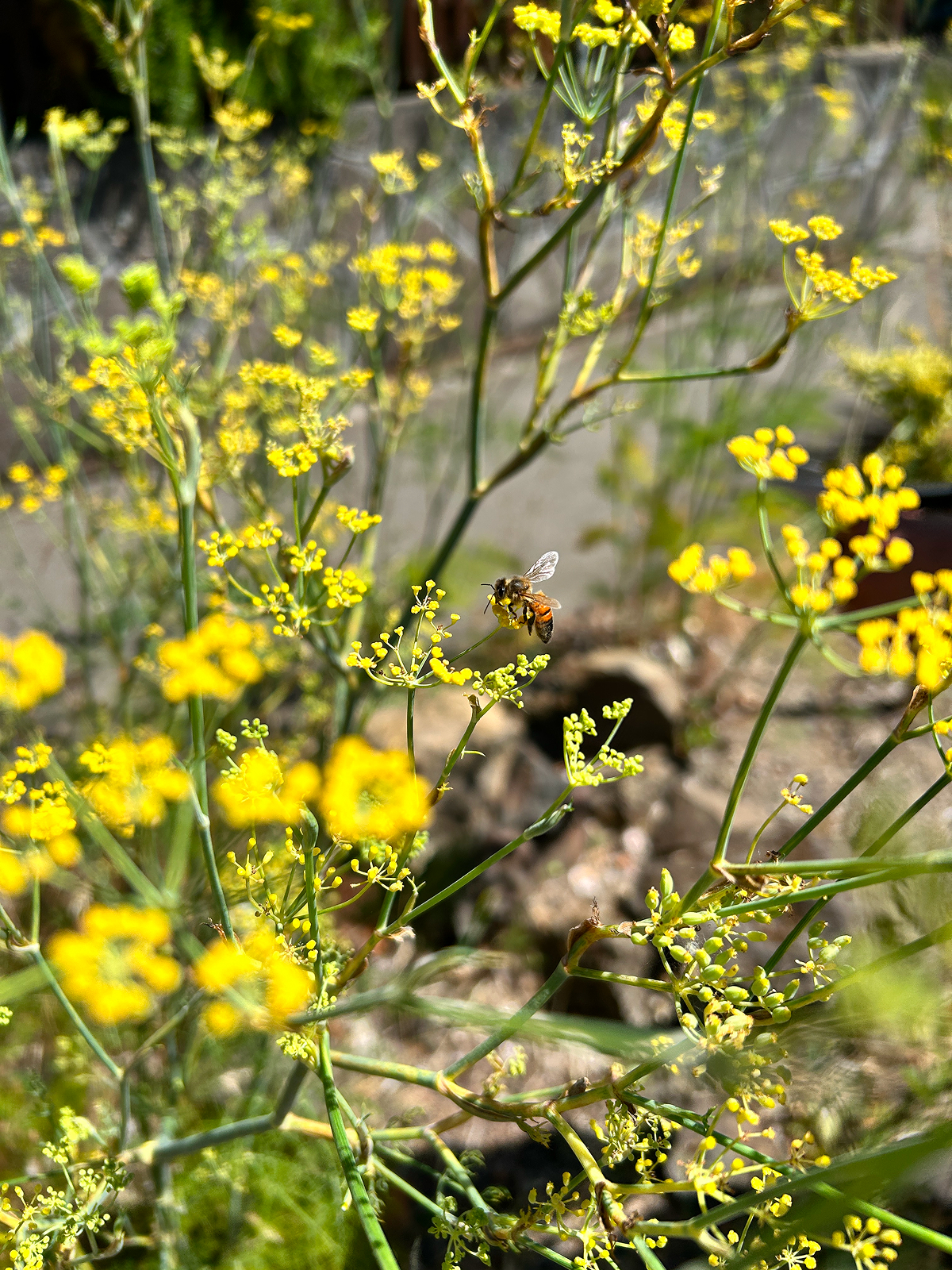
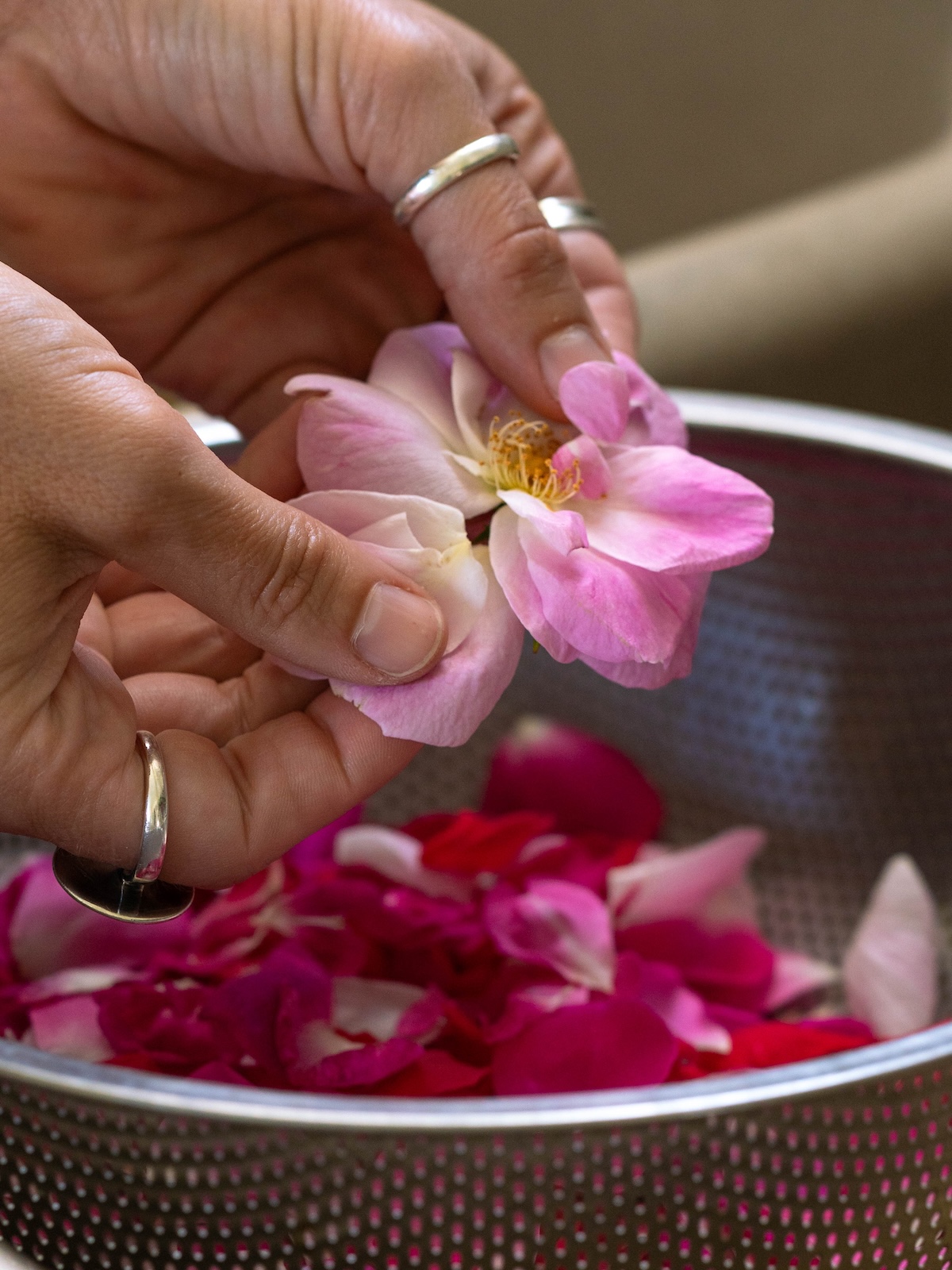
That’s over 60 right there, and it’s nowhere near a complete list!
Many edible flowers belong to plant families that contain other edible species, so learning some plant taxonomy can help you recognize patterns. Understanding these relationships can make identifying edible flowers easier, but each species should still be researched individually.
Baking & cooking with edible flowers
Now my absolute favorite part, using flowers in the kitchen. These are the six techniques that I use over and over again to bring floral flavors to my recipes:
1. Infuse in sugar
How: Blend flower petals + sugar until broken down, moist, & aromatic
Best for: Just about any highly aromatic flower
Important note: Dry floral sugar before storing
Recipes using this method → Dandelion Shortbread Cookies, Lilac Sugar, Lilac Snickerdoodles, Lemon Rosemary Flower Cookies, Dandelion Sugar, Fennel Pollen Sugar
This is one of the most versatile ways to bake with edible flowers. It’s also one of my favorites! You’ll see this method used extensively all over my blog.
Mixing edible flowers with sugar helps to extract their aromatic oils, infusing the sugar with their unique flavor. There are a few ways to do this.
How to infuse flowers in sugar:
Processing method:
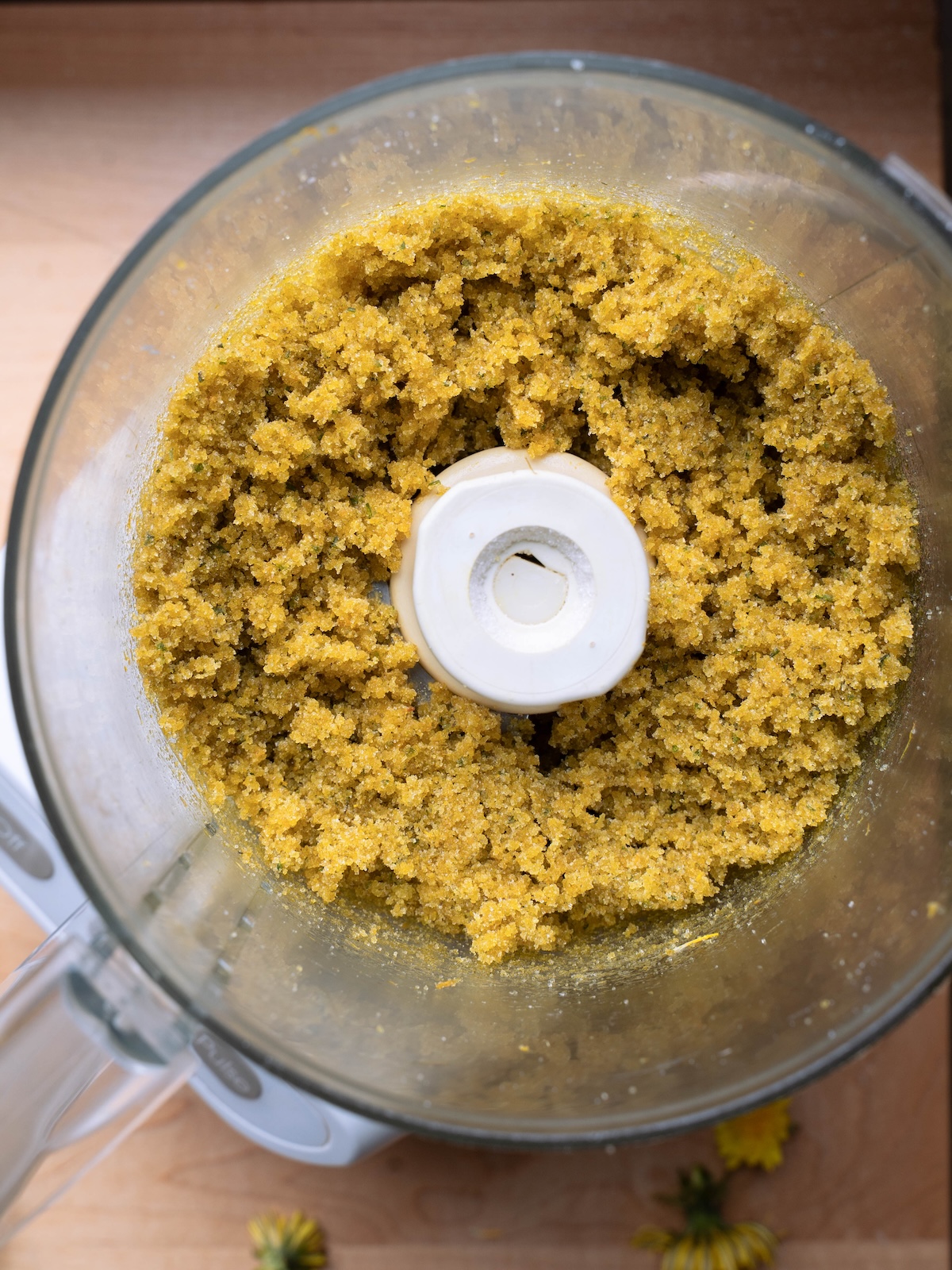
- Grind sugar with fresh flowers using a food processor, spice grinder, or mortar and pestle. Blend until the flowers are completely broken down and sugar is aromatic.
- Use immediately in recipes or dry for long-term storage.
How much to use will depend on how strong the flowers are, but I often use a 1:1 ratio (in volume) of sugar to flowers.
If storing the sugar for later use, you’ll need to properly dry the sugar first. This can be done with a food dehydrator, low oven (under 200°F), or simply by air drying. Make sure the sugar is completely dry and crispy to the touch before storing. This is important to prevent spoilage. Keep in a dark, cool cupboard for up to a year.
Layering method:
- In a jar, layer fresh flowers and sugar in alternate layers.
- Let mixture infuse for a few days.
- Once the sugar has taken on the flower’s flavor (typically 2-3 days), strain out the flowers.
Again, you’ll need to dry the sugar until crispy if you want to store it for an extended period of time.
Simple mixing method:
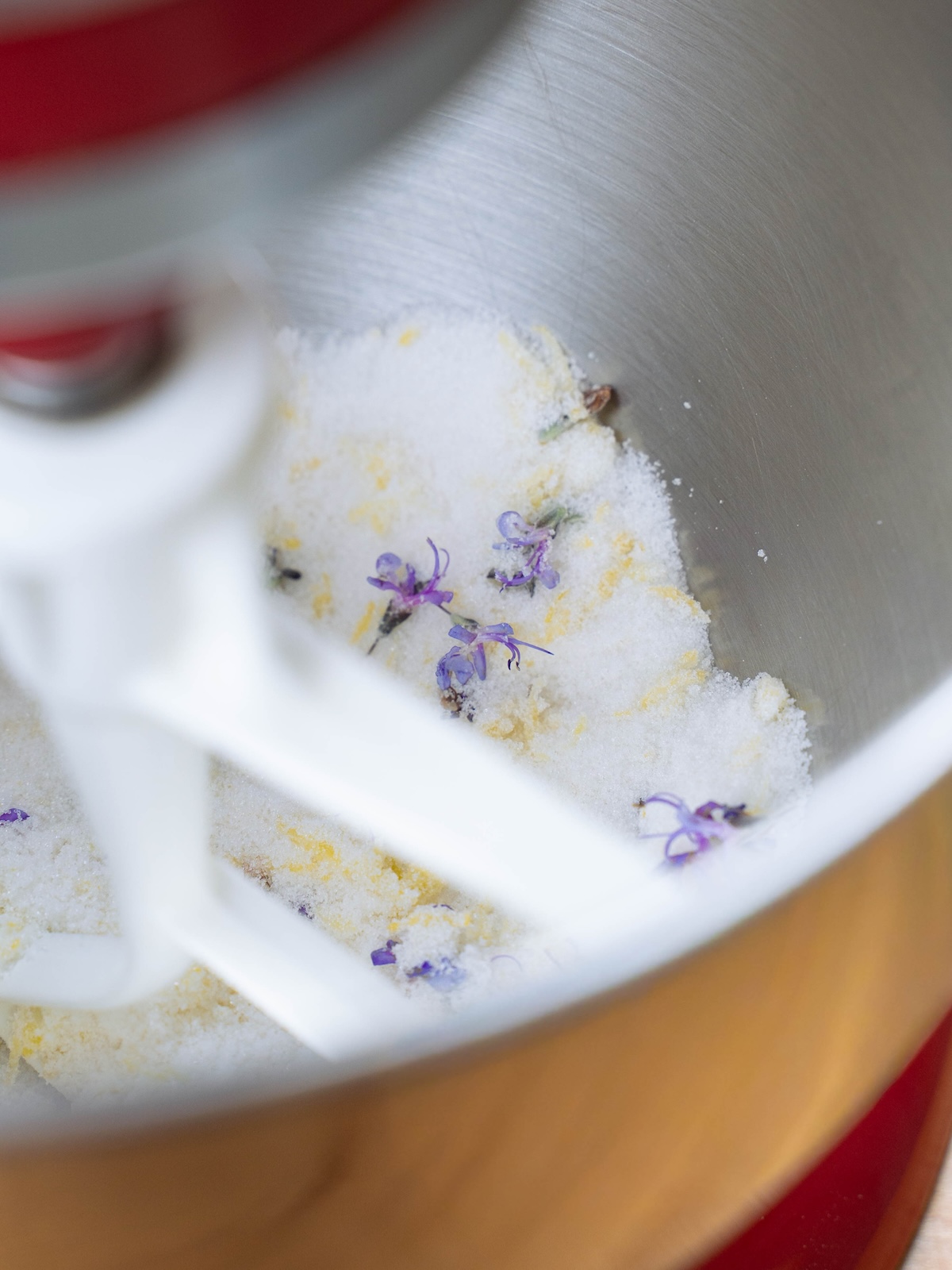
Lastly, you can blend dried flowers into sugar using a stand mixer (or simply by hand) when making cookies and butter cakes. Simply mix the dried flowers with the sugar for 2-3 minutes before creaming with butter. Start small, with a tablespoon or two of dried flowers per recipe, and taste and adjust if needed.
You can also use this method with fresh flowers if they’re very small. Basil blossoms, rosemary flowers, fresh lavender buds, and dandelion petals would work well.
2. Infuse in fat
How: Steep flowers in milk, oil, or butter until flavored
Best for: Magnolia, rose, lilac, chamomile, peony, jasmine, lavender, elderflower, herb flowers
Important note: Skip the skim milk and use high-fat products for the best extraction
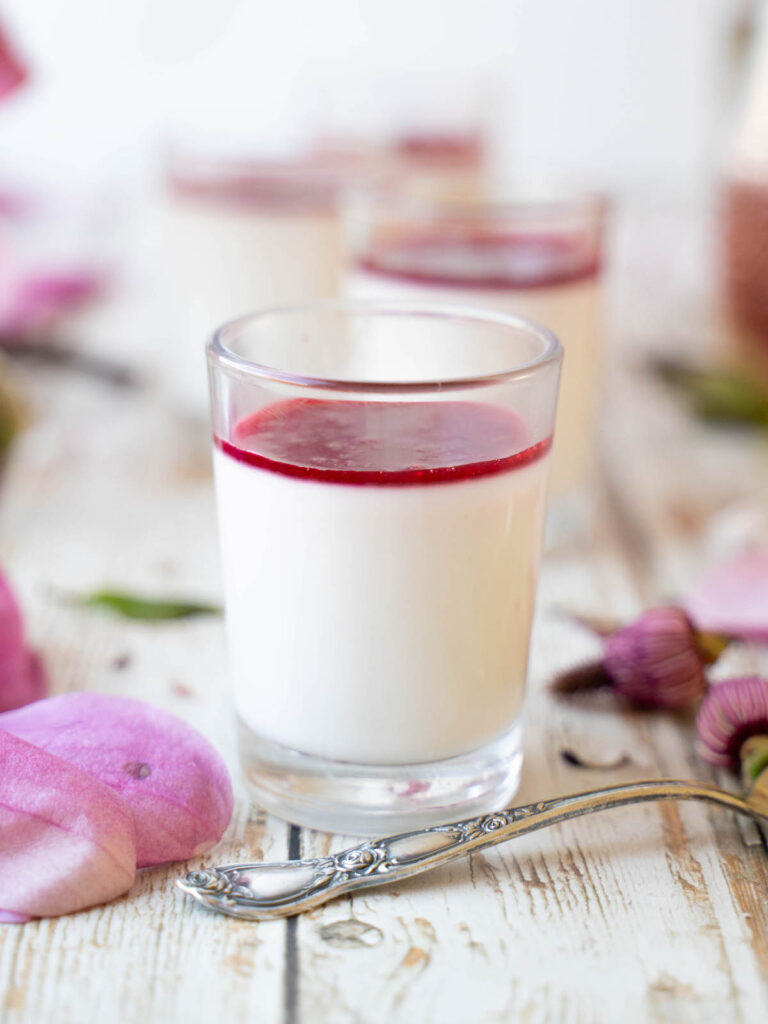
Recipes using this method → Magnolia Panna Cotta, Lilac Crème Brûlée, Basil Flower Oil
Flowers infuse into fat super well because many flavor and aroma compounds are fat-soluble. It’s a wonderful way to add floral flavor to creamy desserts and butter-based cookies and cakes.
How to infuse flowers in fat:
Cream or milk:
- Heat heavy cream or whole milk over low heat just until bubbles form along the edges.
- Add your flowers, cover with a tight-fitting lid, and steep until the flavor is to your liking, usually 10-30 minutes.
- Strain out the flowers and use the infused cream in recipes like creme brûlée, panna cotta, ice cream, and pastry cream.
Butter:
- Melt butter gently over low heat.
- Allow to cool to room temperature, then stir in flowers. Steep until flavorful, 30 minutes – 1 hour.
- Strain out flowers or keep them in based on your preference. This method works best with small flowers (rosemary flowers, lilacs) or flower petals (dandelion petals, calendula petals). Use the melted butter in a recipe or allow it to solidify in the fridge for later use.
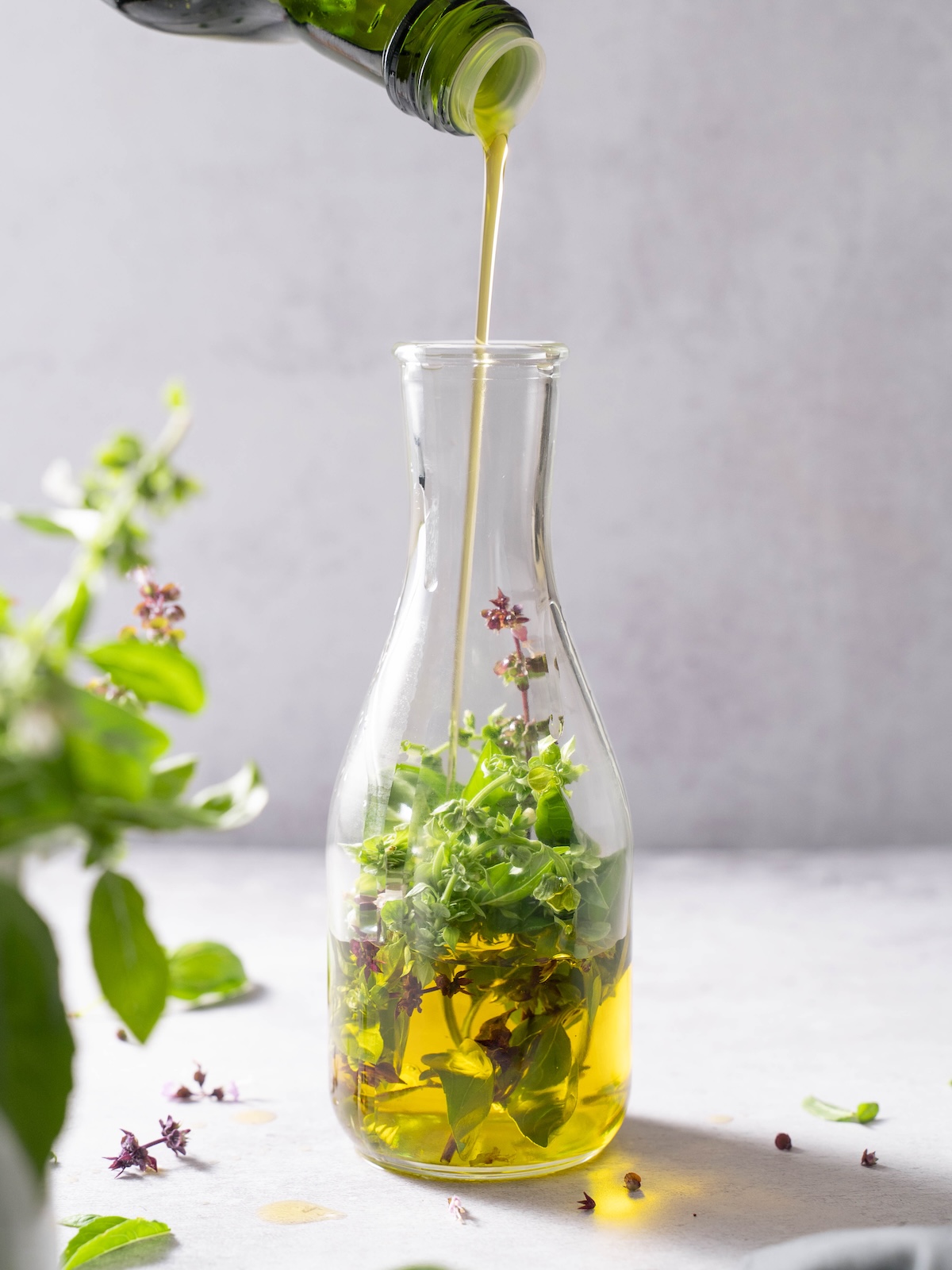
Oil:
- Place fresh flowers in a clean jar and submerge completely with oil. Make sure the flowers stay completely covered in oil to prevent spoilage.
- Cover with a tight lid and give it a shake and a taste each day until it’s flavorful enough for you.
- Strain out the flowers and keep the oil at room temperature. Use within a month. This works best with olive oil, but any high-quality neutral oil works fine.
3. Infuse in booze
How: Cover flowers in alcohol; soak until tasty
Best for: Elderflower, fennel flowers, hibiscus, herb flowers, fruit blossoms
Important note: Keep flowers fully submerged in alcohol during infusion time
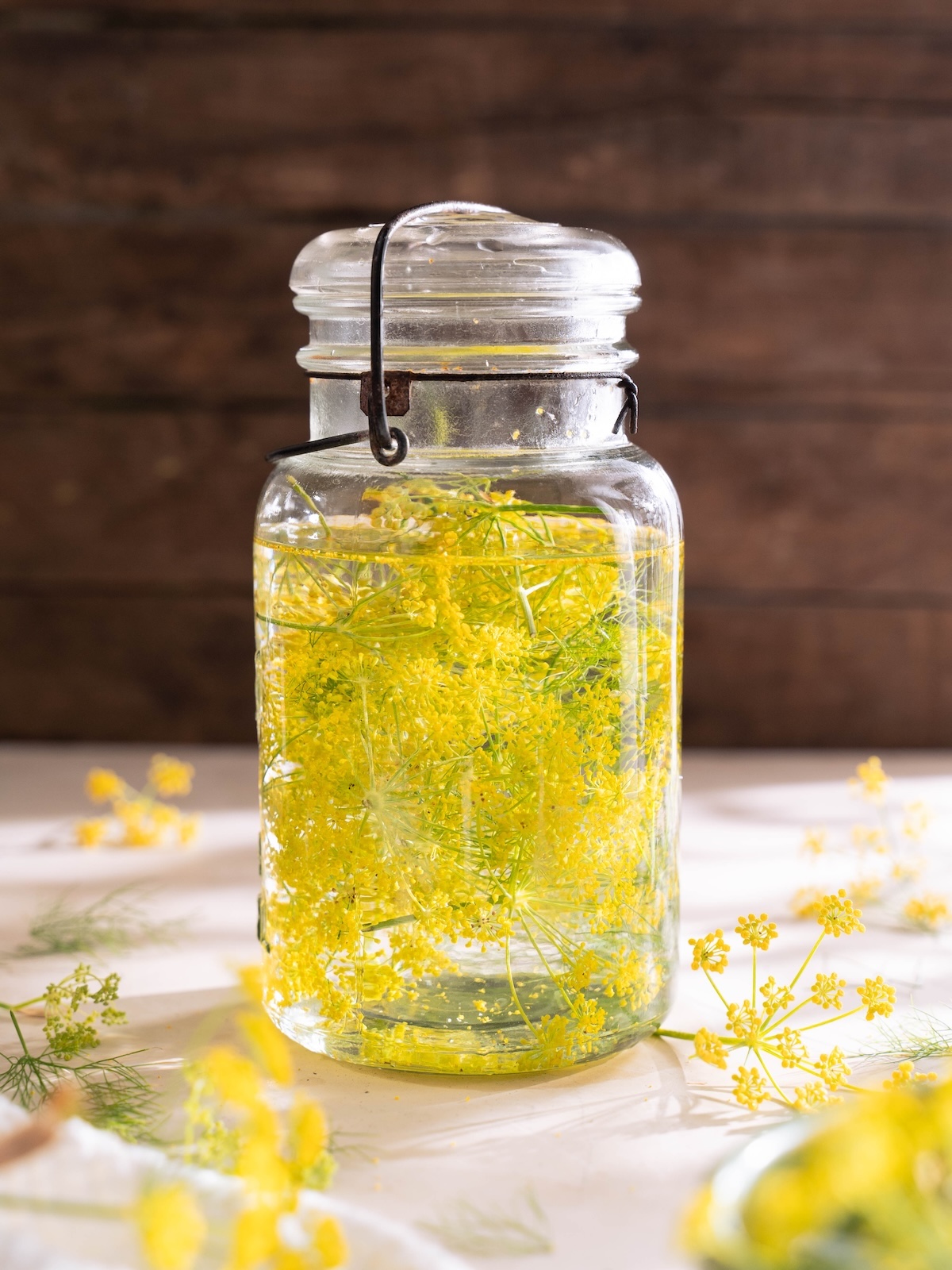
Recipes using this method → Elderflower Extract, Fennel Pollen Vodka
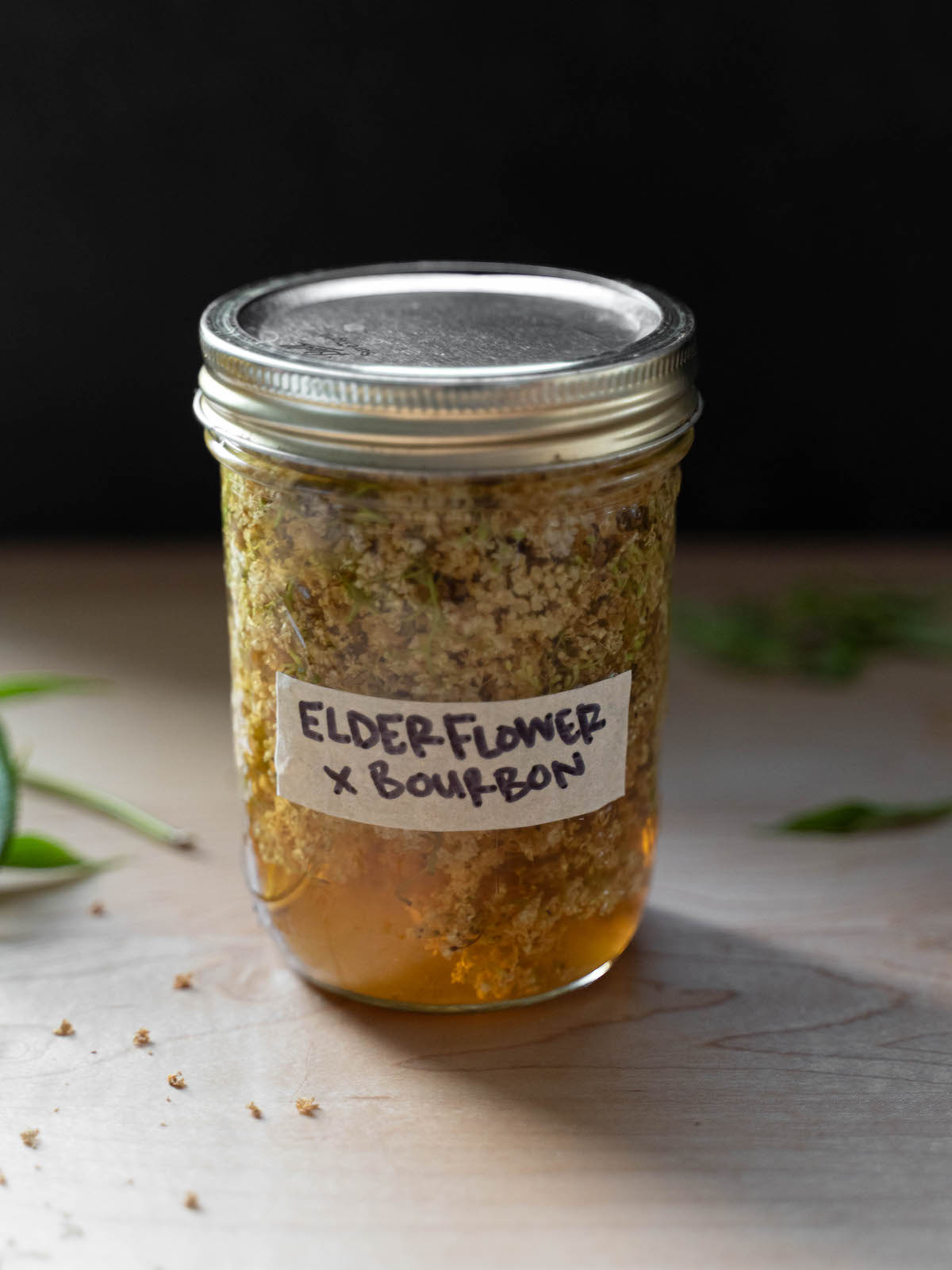
A super fast and easy technique for extracting floral flavor is to steep fresh flowers in alcohol. You can mix this flower-infused alcohol into your favorite cocktail recipes, or even use it like a flavor extract. I use my elderflower bourbon the same way I use vanilla extract: to add flavor to cakes, frostings, and other dessert recipes.
While this is a wonderful way to preserve flowers, it doesn’t work with all of them. Alcohol can change or overpower the flavor of certain blossoms.
How to make flower-infused booze:
- Fill a clean jar with fresh flowers. Cover flowers completely with a neutral or complementary spirit.
- Place in a dark cupboard and let the mixture sit for a couple days to a few weeks.
- Shake once a day and taste often.
- When the flavor is to your liking, strain out flowers and discard. Pour infused booze into a clean jar and store.
How long to infuse will depend on how strong the flowers are. For example, fennel flowers provide super strong flavor within just two days, while elderflowers may take a couple weeks.
Vodka and clear rum are great for most flowers, but a light gin and a good bourbon work well with certain flavors. Consider the flavor of the flower you’re using. Store your floral alcohol in the freezer for the best flavor and the longest shelf life.
4. Infuse in syrup
How: Make simple syrup; add flowers; steep and enjoy
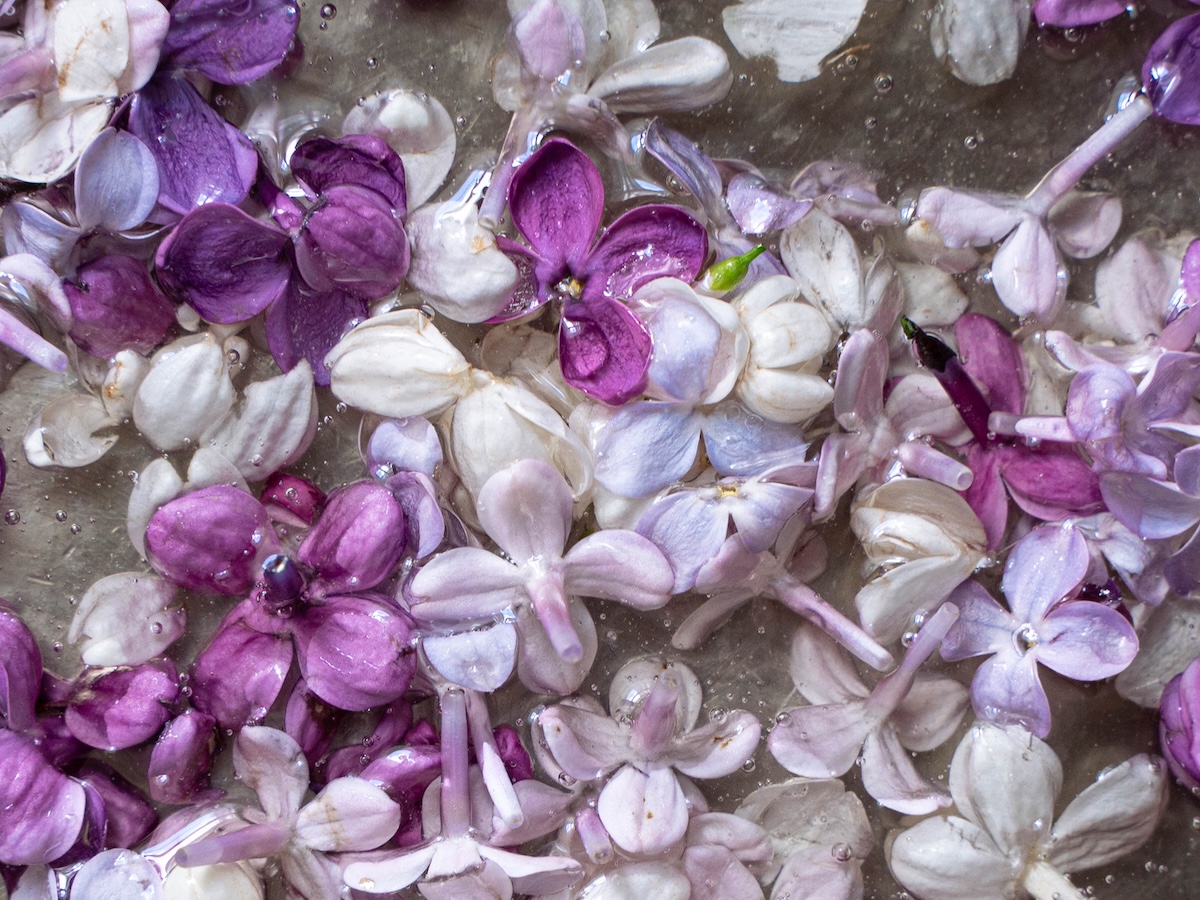
Best for: Magnolia, elderflower, dandelion, hibiscus, rose, violet, lilac – any sweet & fragrant flower
Important note: Some flowers can handle heat better than others!
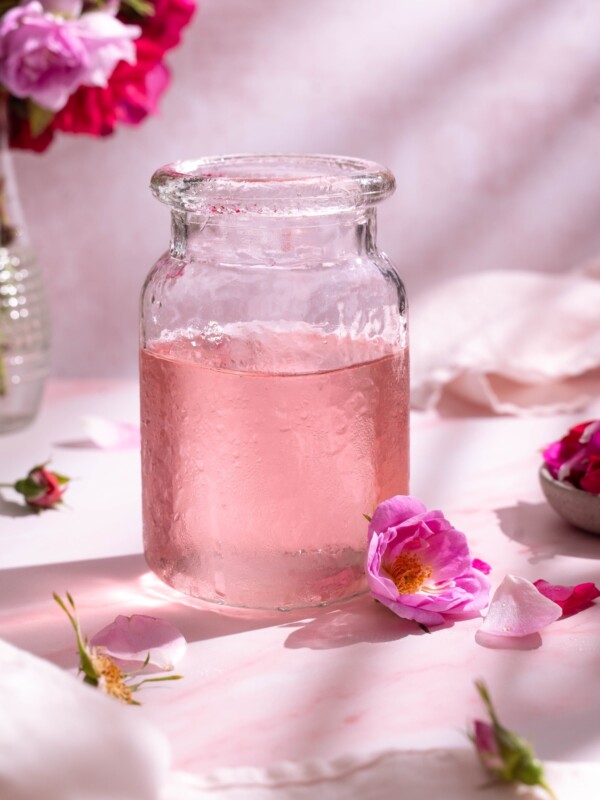
Recipes using this method → Elderflower Syrup, Rose Simple Syrup, Lilac Syrup, Magnolia Flower Syrup, Floral Buttercream, White Linen Cocktail, Magnolia Mule
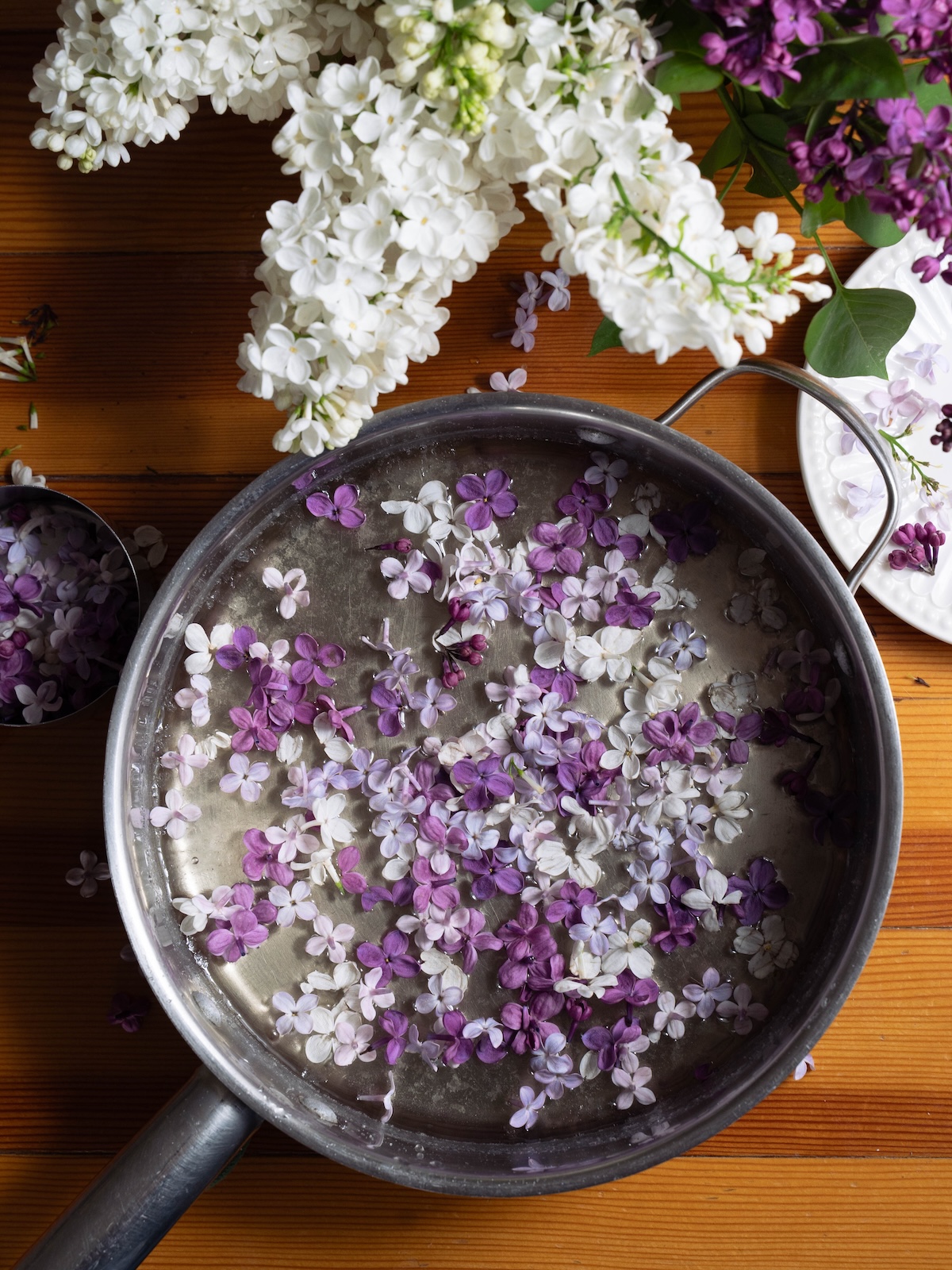
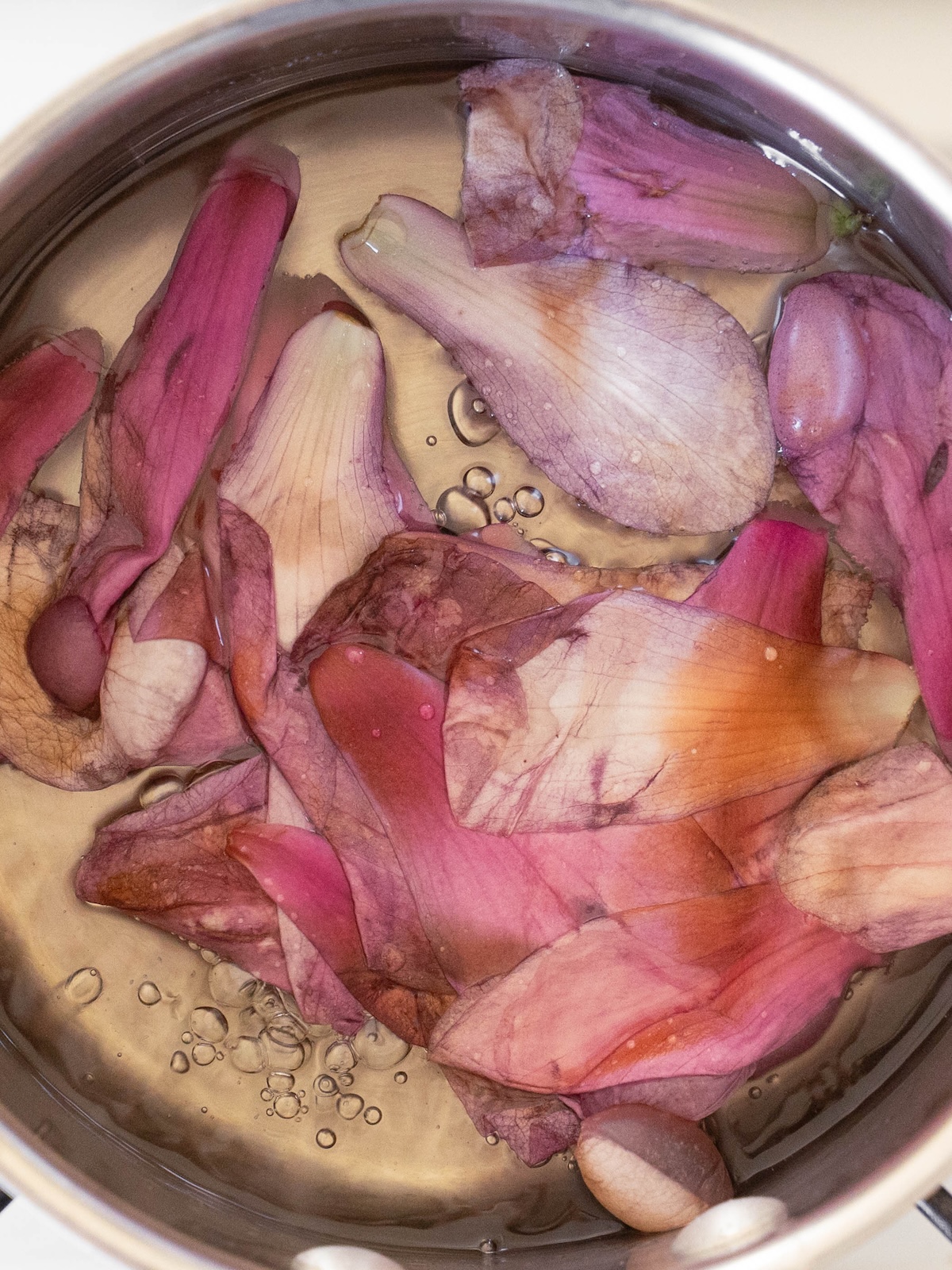
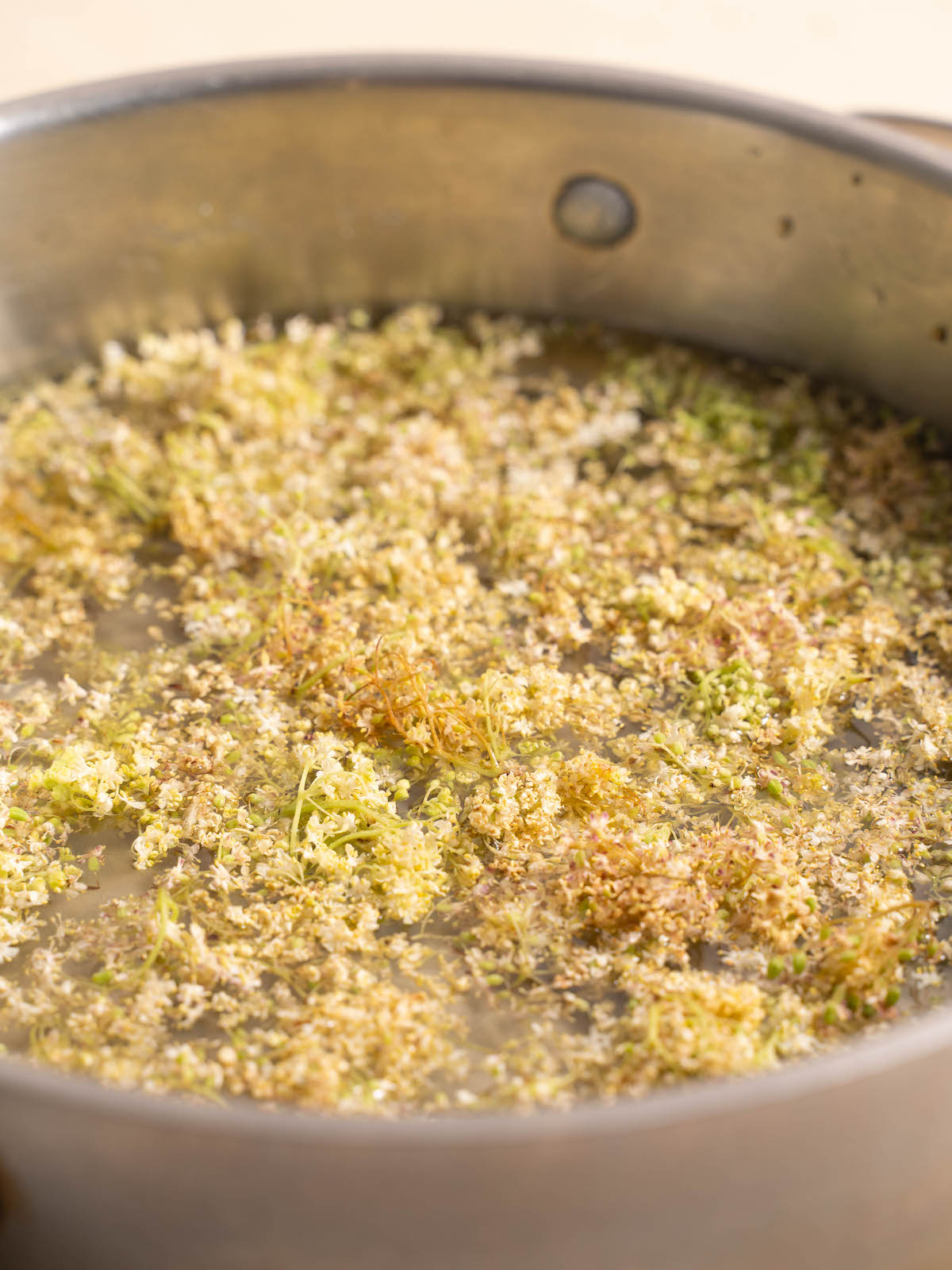
As you can probably tell, I use this method a lot! Making floral simple syrup is a great way for beginners to work with edible flowers. It’s easy, it’s fast, it’s versatile, and it typically only requires three ingredients (sugar, water, flowers).
How to make flower syrup:
- Combine sugar and water in a heavy-bottomed saucepan.
- Simmer until the sugar is fully dissolved, about 3-5 minutes.
- Turn off heat, add your flowers, cover, and steep. Taste every once in a while to determine when it’s strong enough.
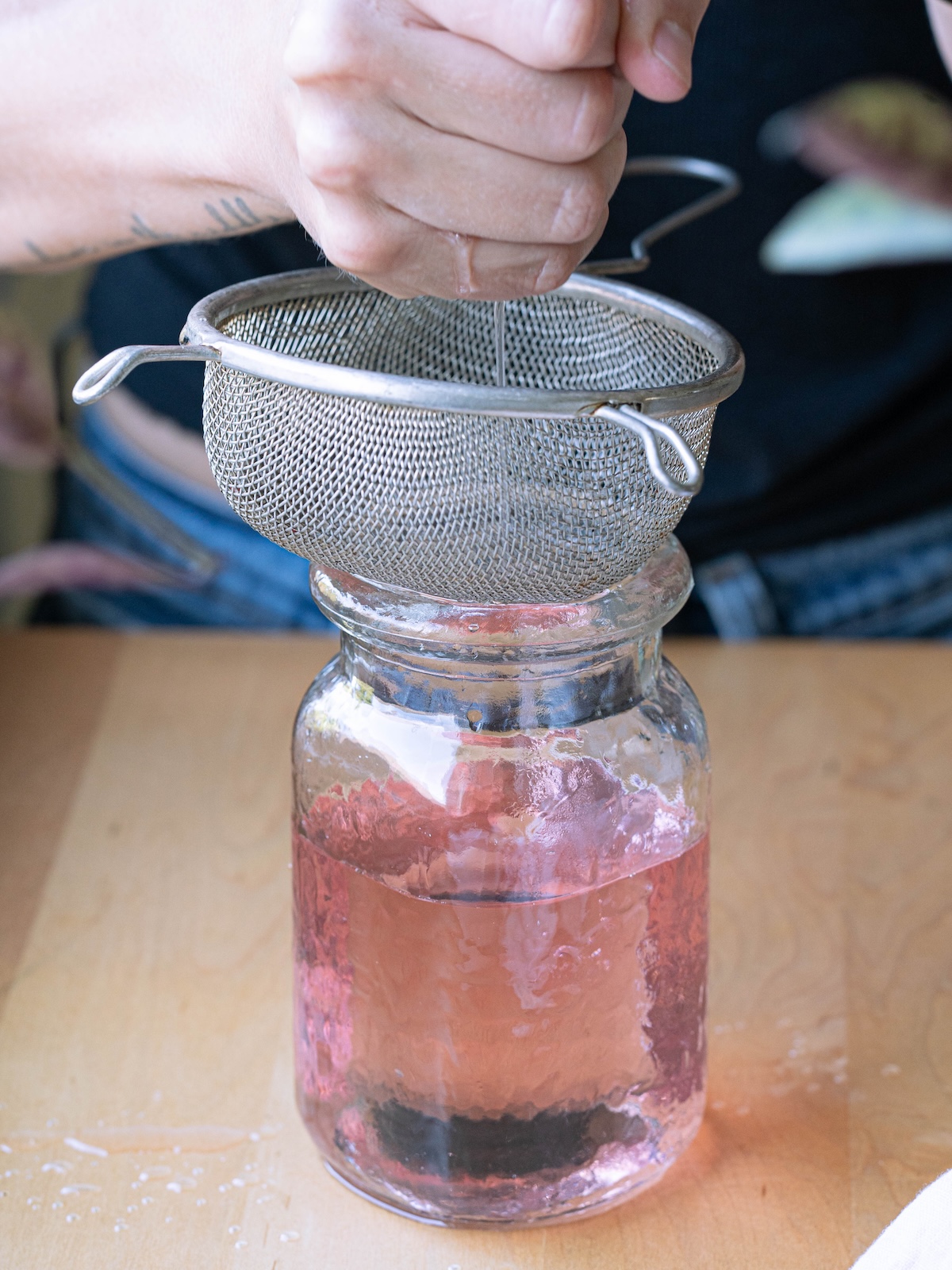
- Strain out the flowers and pour into a clean jar.
To make a classic simple syrup, use equal parts sugar and water. For a rich simple syrup (thicker, more luxurious), use two parts sugar to one part water. Keep your syrup refrigerated for up to a month if it’s a classic syrup, or up to two months if it’s rich.
Ways to use your infused syrup:
- Soak cake layers
- Make floral buttercream frosting
- Flavor coffee & tea lattes
- Sweeten mocktails & cocktails
- Replace liquid sweeteners in your favorite recipes.
5. Use them whole
How: Fold flowers into batters or use to decorate desserts & cocktails
Best for: Violets, pansies, borage, nasturtium, herb flowers, elderflowers, cherry blossoms, fuchsia
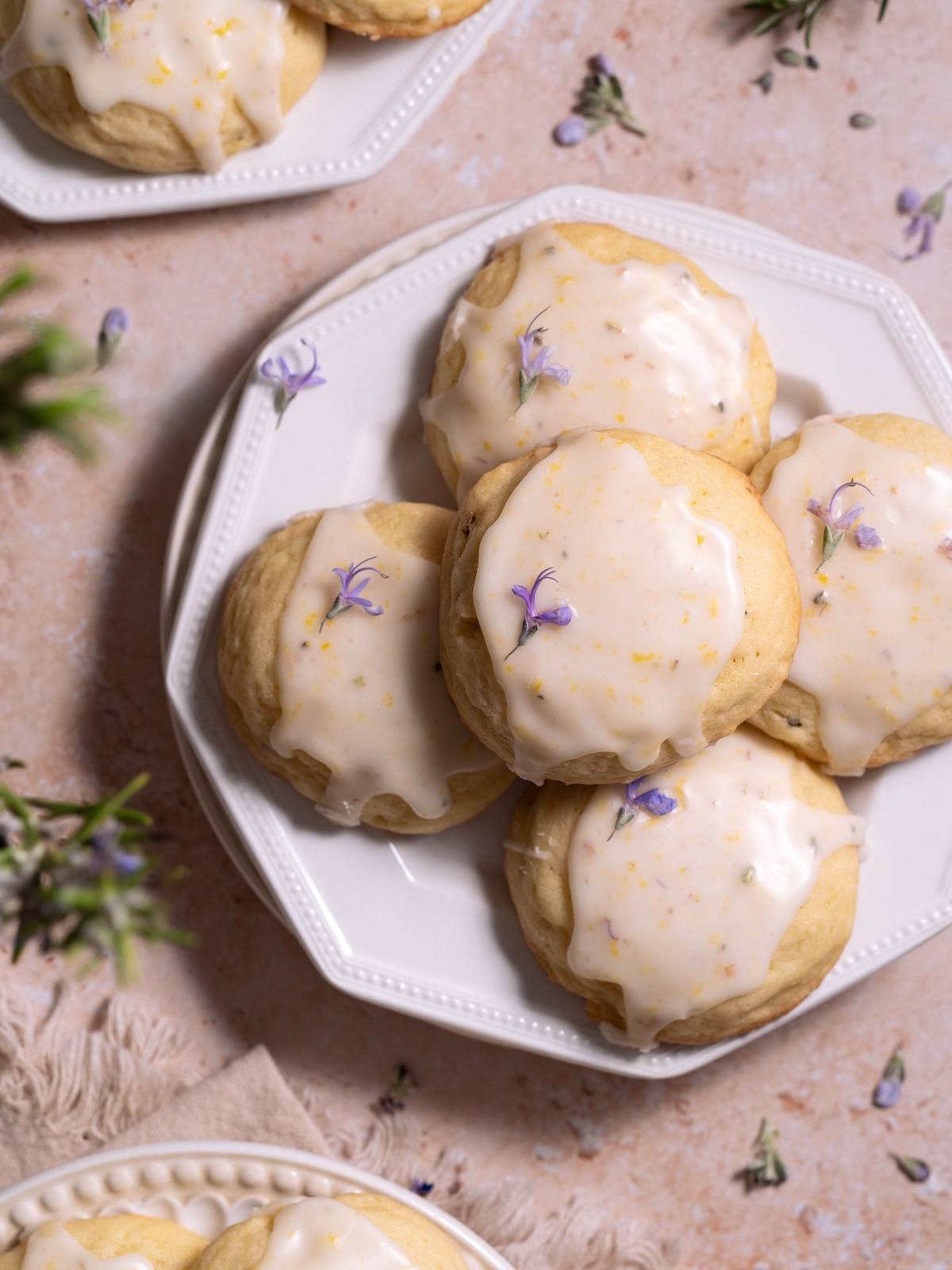
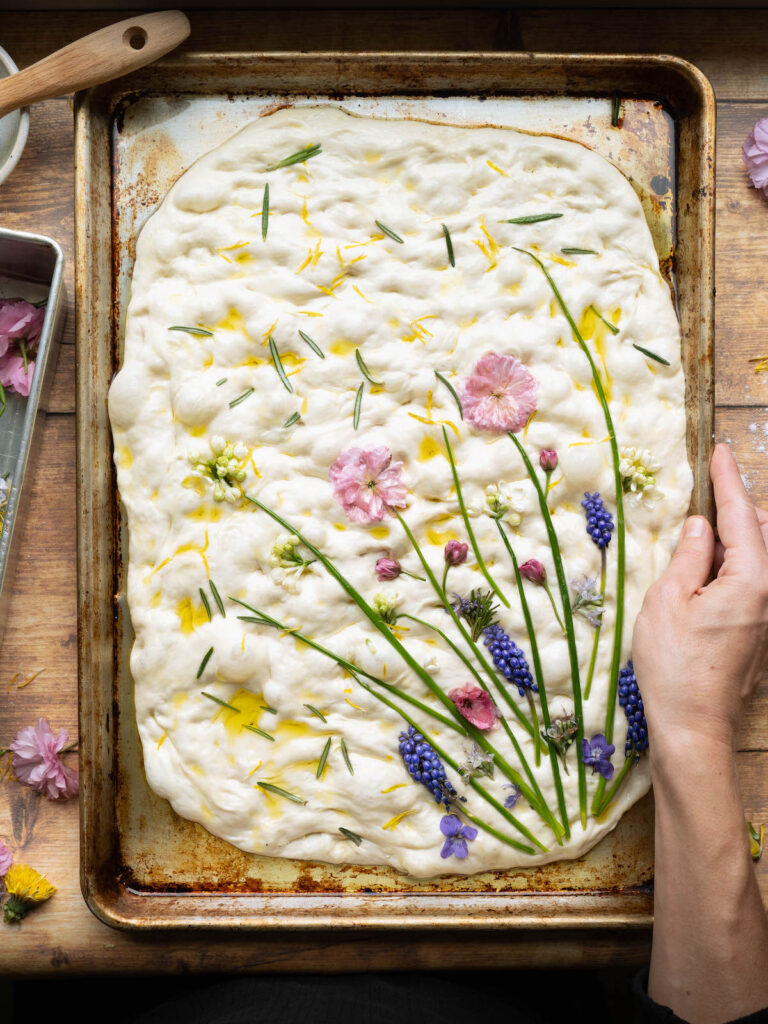
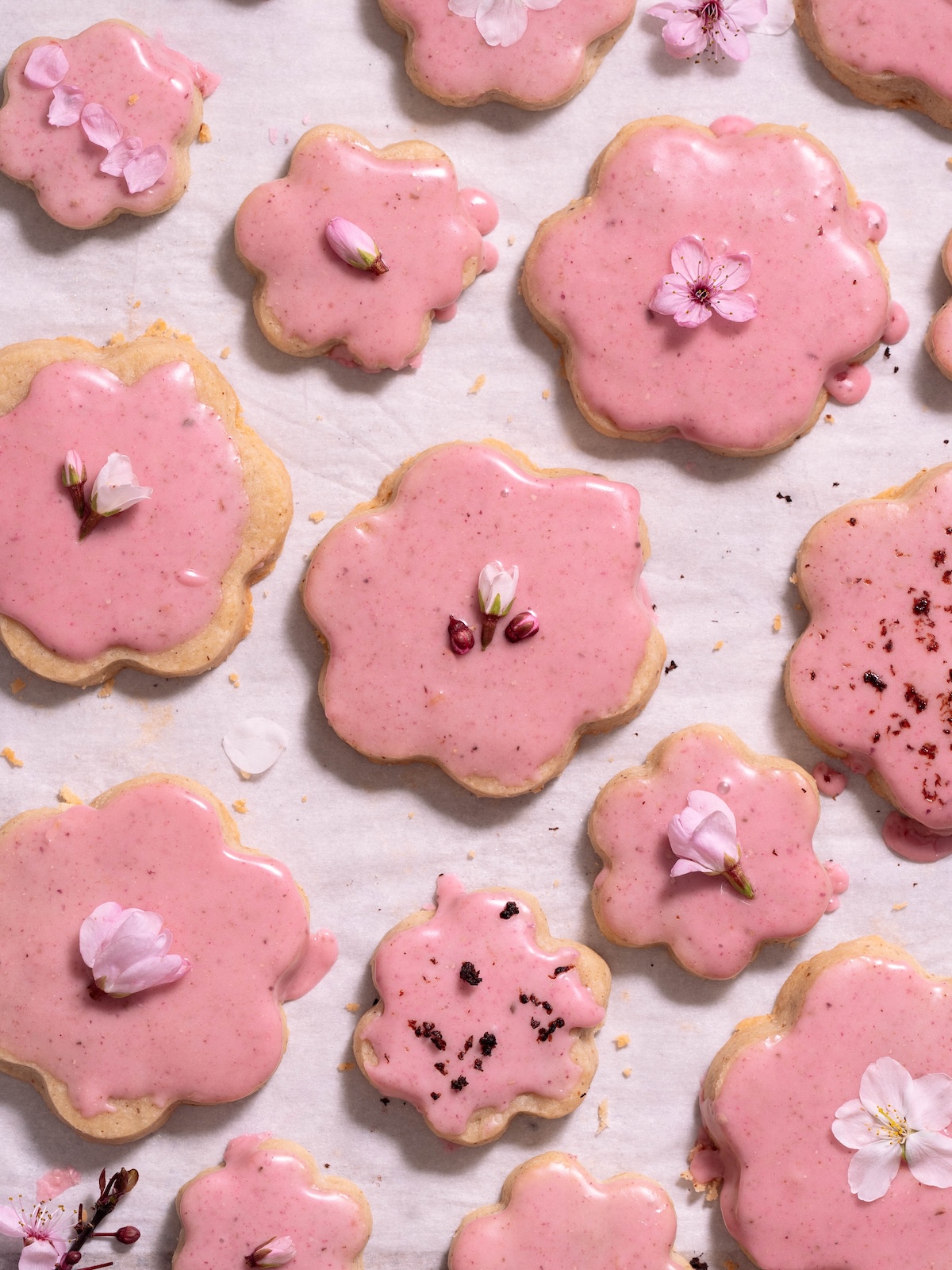
Recipes using this method → Lemon Rosemary Flower Sugar Cookies, Sourdough Discard Focaccia, Caprese Focaccia, Pickled Magnolia Petals, Edible Flower Focaccia, Magnolia Shortbread Cookies
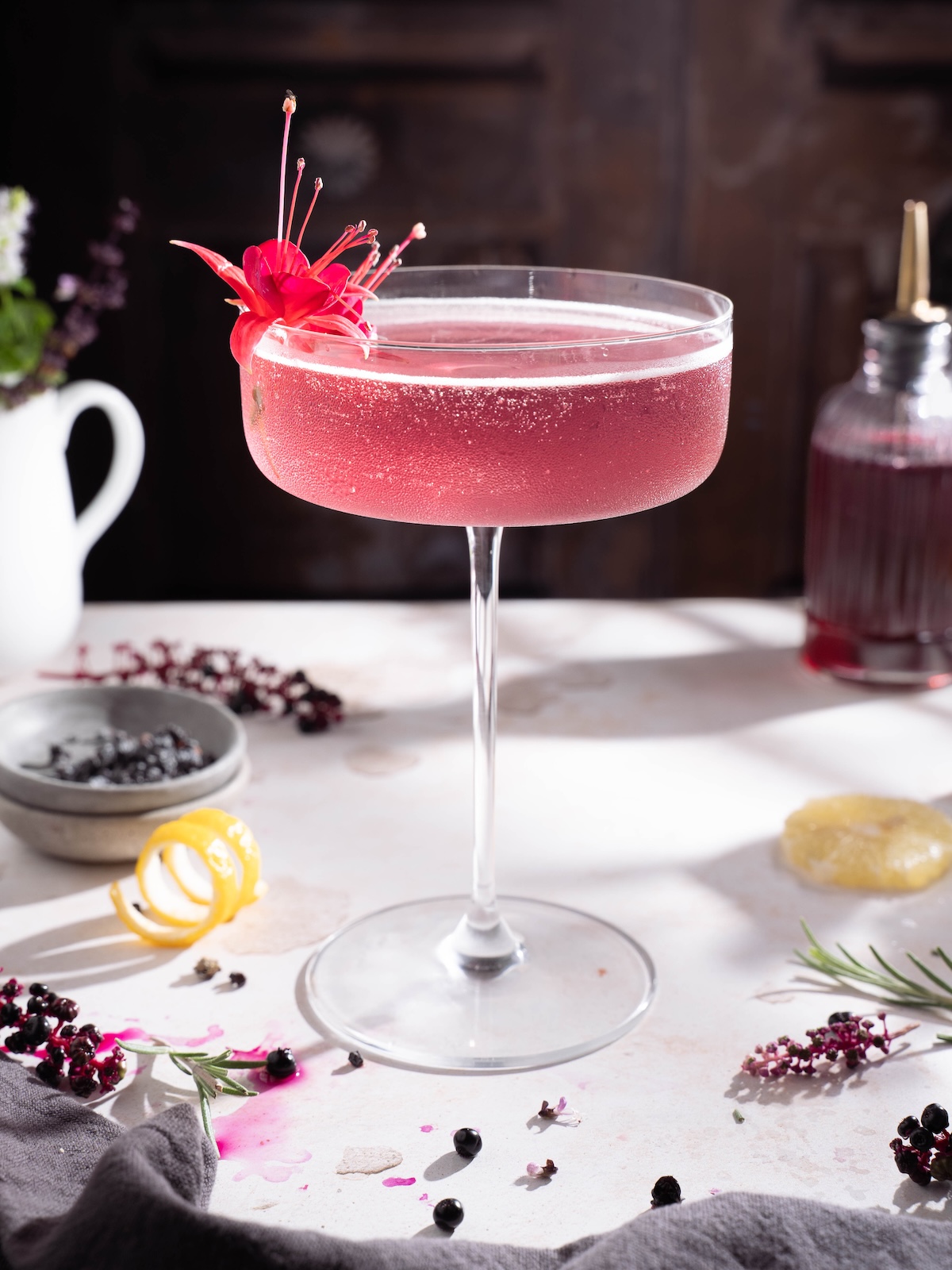
Many edible flowers can be used just as they are. Try folding them into sweet or savory batters. Sprinkle them on top of freshly baked bread. Place them on top of cakes, cupcakes, and tarts. Or use them as garnishes for cocktails and refreshing drinks.
Small flowers: violets, pansies, cherry blossoms, borage, wild daisies, rose buds
Great for decorating desserts
Herby flowers: chive blossoms, rosemary, basil, or sage flowers
Perfect for incorporating into breads, sourdough loaves, and savory bakes
Super stunners: fuchsia, nasturtium, orchids, hibiscus
The perfect drink garnish!
6. Use them dry
How: Add dried flowers to just about any dessert or baked good
Best for: Rose petals, magnolia, elderflower, herb flowers, chamomile, calendula
Important note: Buy dried edible flowers or make your own!
Recipes using this method → Chamomile Shortbread Cookies, Chocolate Rose Cake, Magnolia Shortbread Cookies, Chocolate Elderflower Cupcakes, Raspberry Chamomile Tea Cakes
Flowers don’t always need to be used fresh! Sometimes, using dried flowers is the way to go. This works best with flowers that have strong flavors and tons of pollen and/or aromatic compounds, so they still have flavor to give after being dried.
When used in recipes, they’ll impart a slightly different flavor than the fresh version, but dried flowers have a long shelf life and are handy to have on hand when you need them.
You can dry your own flowers or purchase them from online stores, herb shops, and farmers markets.
How to dry your own flowers:
Use a food dehydrator: Place cleaned whole flowers or flower petals in a single layer on dehydrator trays. Dry at 105°F until thoroughly dry and crisp, several hours to overnight. Let them cool off before storing.
Use a low oven: Spread flowers out on a baking sheet in a thin layer and bake in a low oven (as low as your oven can go, should be under 200°) until the flowers are totally dry.
Air dry: Place flowers on screens or baking sheets in a well ventilated area out of direct sunlight until completely dry. This can take a day or two, depending on your environment.
Once flowers are ready, pour them into dry jars and store them in a dark, cool cupboard for 1-2 years.
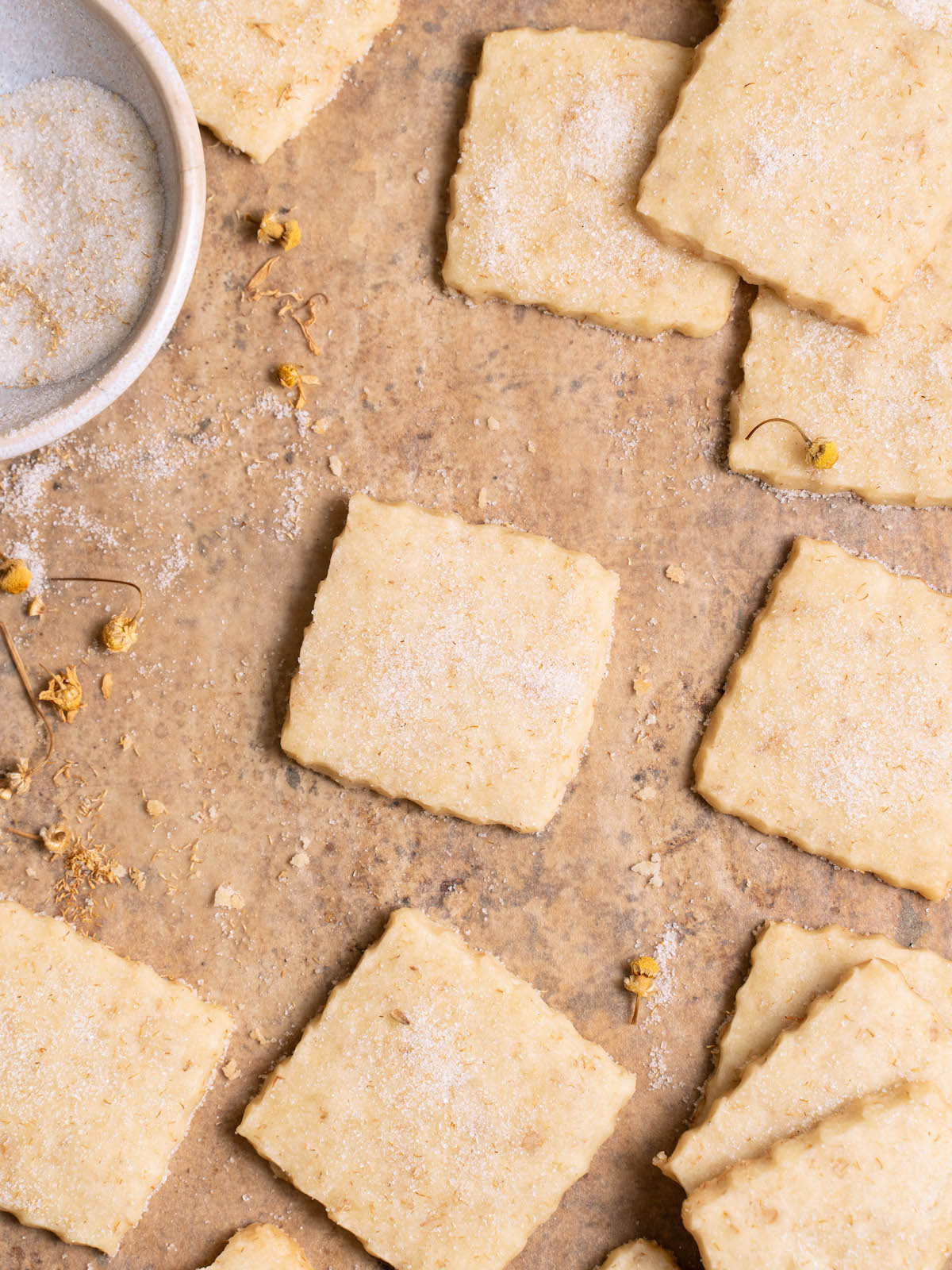
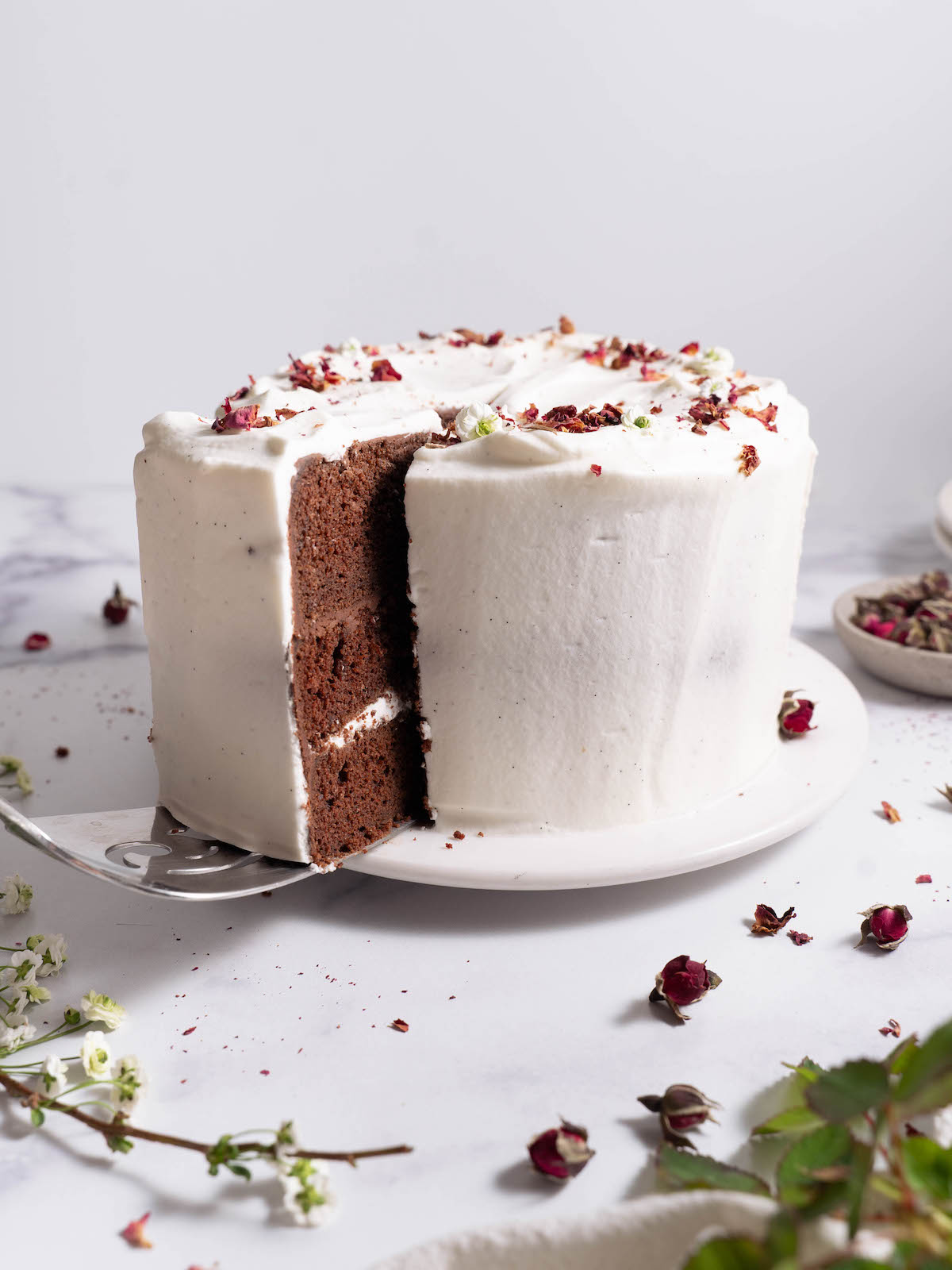
The fun thing is that you can use dried flowers in any of the above methods! Blend them into sugar, infuse them in alcohol, add them to simple syrup, or steep them in cream. You can use them to make tea or grind them into a powder and use them like a spice. Dried flowers are super duper handy to have in your cupboard!
I hope this guide inspires you to get creative with edible flowers in your own kitchen. They’re some of the most unique and magical ingredients I’ve ever worked with, and I can’t wait for you to discover their flavors for yourself.
Explore more
Looking for more recipes using edible flowers? Check out my full collection!