A practical guide to identifying, harvesting, and cooking with hawthorn berries, including how to make hawthorn juice and delicious hawthorn desserts.
Have you ever eaten a hawthorn berry? Chances are, you’ve walked right past a hawthorn tree in your neighborhood or local park without even realizing it’s full of edible, medicinal fruits! While these berries are well known in the herbal medicine community as a potent heart medicine, they’re not very well known as an edible berry.
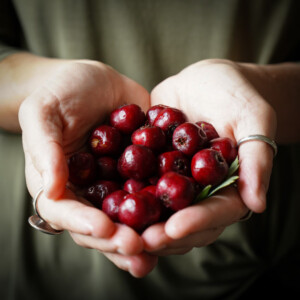
However, hawthorn berries are one of my favorite overlooked fall fruits. These little crimson berries grow on trees all over the place, but they’re rarely treated as food. That’s a shame, because ripe hawthorn has a lovely flavor (somewhere between green apple, cranberry, and raspberry), and makes gorgeous jams, curds, syrups, sauces, and baked goods.
I’ve been baking with hawthorn for years, and I’ve found that extracting the juice is one of the easiest ways to turn this unusual wild fruit into something genuinely useful in the kitchen.
What you’ll learn in this guide:
- What hawthorn berries are and what they taste like
- How to identify and harvest ripe hawthorn
- How to prepare hawthorn berries for cooking
- How to use hawthorn in jams, syrups, curds, sauces, and baked goods
- How to extract hawthorn juice for desserts and drinks
- Recipes for baking with hawthorn
What are hawthorn berries?
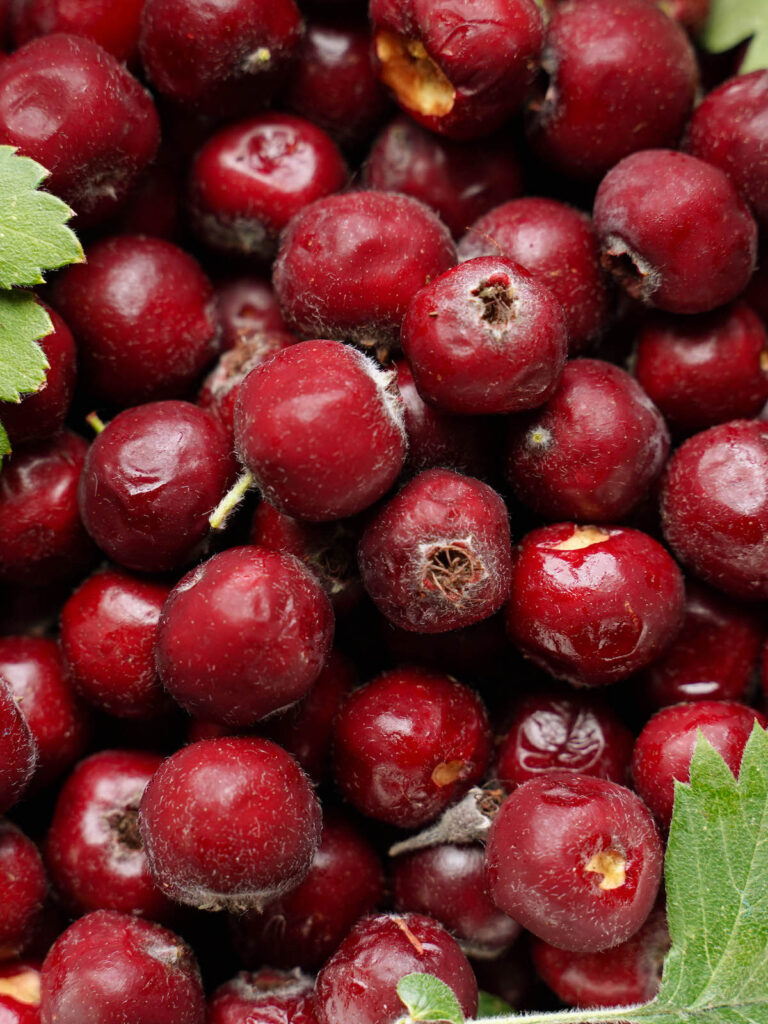
There are many different species of hawthorn trees that provide a variety of colors, sizes, and flavors in their berries (actually called “haws”). The berries look quite a bit like miniature apples or crabapples.
In fact, they’re in the rose family and are a close relative of the apple. Both their flowers and their fruits look very similar to those of apple trees. They’re often found in hedgerows, woodlands, and even in urban environments (check your local park!).
When ripe, the inner flesh of the berry is soft and creamy, similar to the texture of a ripe banana. However, some varieties can be a bit mealy.
What do hawthorn berries taste like?
Their flavor is delightfully tart and bright! Hawthorn berries have flavor notes of green apple, cranberry, and raspberry.
I find that their interesting flavor profile and vibrant red hue make them an exceptional ingredient for fall baking recipes. What makes hawthorn particularly interesting in desserts is that it has enough acidity to balance sugar, but a more complex flavor than a straight cranberry or apple.
It should be noted that flavor can vary by species, and some are more flavorful than others.
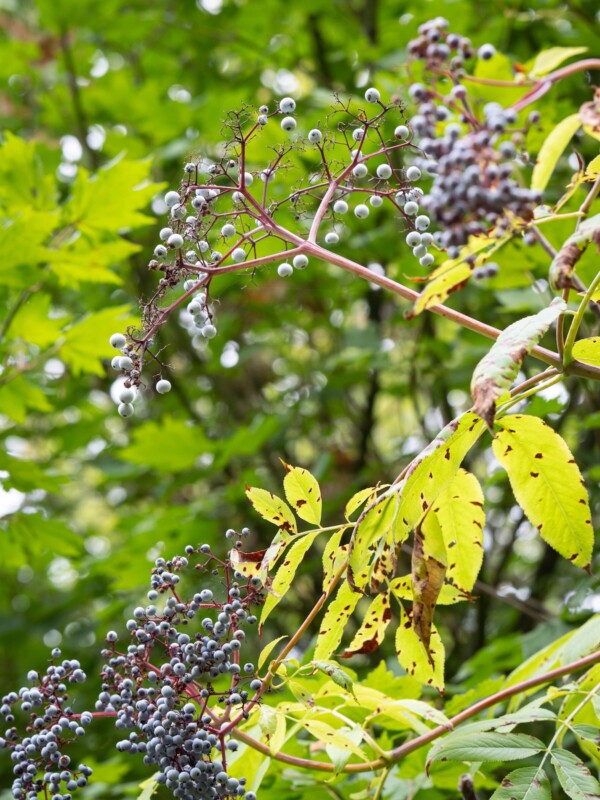
Identifying the hawthorn tree
Hawthorn can vary quite a bit between species, but here’s a general overview of what to look for:
- Tree: small to large trees that grow in forests, parks, and hedgerows
- Thorns: most, though not all, hawthorn trees contain very sharp telltale thorns
- Leaves: often lobed, sage green, typically hairy
- Flowers: small white or pink five-petaled flowers in spring (also edible!) that look very similar to apple and other berry flowers in the rose family
- Berries: small, bright red to dark crimson berries in fall that are soft when ripe
For more information on specific species, see this article on identifying hawthorn.
When to harvest the berries
Wait until the berries are fully ripe, usually in early fall (mid September to early October). You can tell they’re ready when they’ve turned fully red and are just a little bit soft when you squeeze them. Their inner flesh should be creamy yellow, and darkens and turns brown when they’re past prime.
If they’re super squishy or wrinkled, they’re over-mature. At this point, their flavor isn’t as good and they may be overtaken by insects, so I don’t recommend harvesting.
Harvesting & preparing hawthorn berries
To harvest, gently pluck the ripe berries from the branches. You can use your fingers or a small rake, but they should pop off the branches pretty easily. Avoid picking berries that are green, overly squishy, or bug-ridden.
Be cautious when handling hawthorn trees, as most trees have telltale sharp thorns on their branches. You may want to consider wearing gloves to protect your hands.
Clean and store the berries
After harvesting, remove any stems and leaves. Pick out any berries that are underripe, overripe, or buggy.
My favorite way to clean them is to dump the berries in a large bowl with two parts cold water and one part vinegar. Give them a stir, then let them sit for 15-30 minutes. This encourages any tiny creatures to crawl out, plus cleans up dirt and debris. (You can also skip the vinegar bath and simply give them a good rinse.)
After soaking, scoop the berries out with a slotted spoon into a colander over the sink. Rinse thoroughly. At this point, you can use them immediately in a recipe, or let them dry if you’re going to store them. Keep them refrigerated and use them within a few days.
⚠️ Important: Remove the seeds. Hawthorn seeds contain cyanogenic compounds, similar to apple seeds. Don’t intentionally eat the seeds or use crushed whole berries in recipes. For most culinary applications, strain the cooked berries or remove the seeds before eating.
Culinary uses of hawthorn berries
Hawthorn berries offer a unique, slightly tart flavor that can be used in various creations in the kitchen. Here are some popular ways to enjoy them:
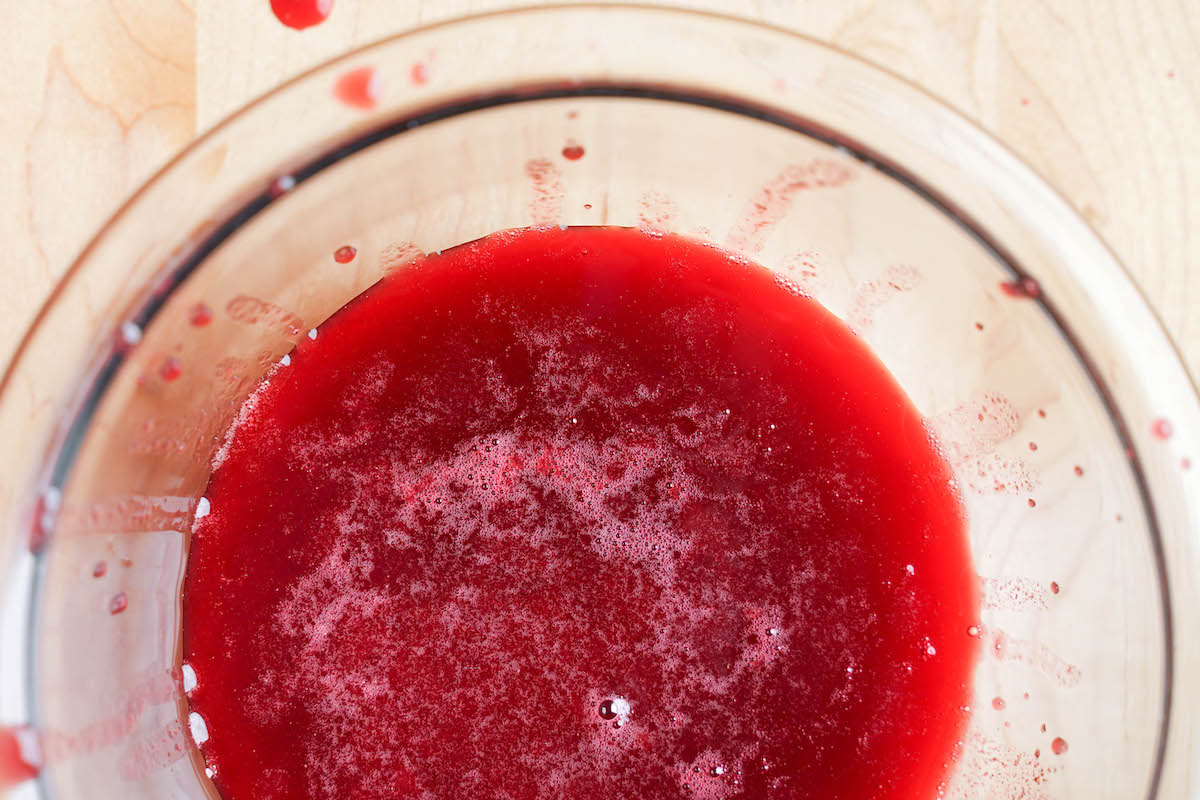
Hawthorn juice: My favorite way to use the berries! It’s easy to extract their gorgeous red juice by simmering them in water until they burst.
Strain out the pulp and seeds, and use in sauces, syrups, curds, frostings, glazes, and drinks. I find this method especially useful because it’s an easy way to remove the seeds, which are toxic.
Check out the recipe card below for the method.
Hawthorn berry jam: Making hawthorn berry jam is a delicious way to preserve the harvest. The berries’ natural pectin content makes them ideal for jam-making. Combine them with sugar and a bit of lemon juice to create a flavorful jam that can be spread between cake layers, added to frostings, or simply spread on toast.
Hawthorn berry tea: You can dehydrate hawthorn berries and use them to make an antioxidant-rich herbal tea. This tea is known for its potential heart-healthy properties and is a pleasant, caffeine-free alternative to traditional teas (and it’s quite lovely, I might add).
A food dehydrator is the best way to fully dry the berries. You can also buy dried hawthorn berries online and in herb shops.
Hawthorn syrup: The haws make an absolutely gorgeous, thick, vibrantly-colored syrup. Try Ashley Adamant’s recipe for hawthorn syrup, which can be used for culinary or medicinal purposes.
Baked goods: Add hawthorn berries to muffins, scones, or pies for a unique twist on classic recipes. The berries add both flavor and a beautiful red hue to your baked goods.
Try using the fresh, seeded berries in place of cranberries in your favorite recipe, or simply extract the juice as described in the recipe card below!
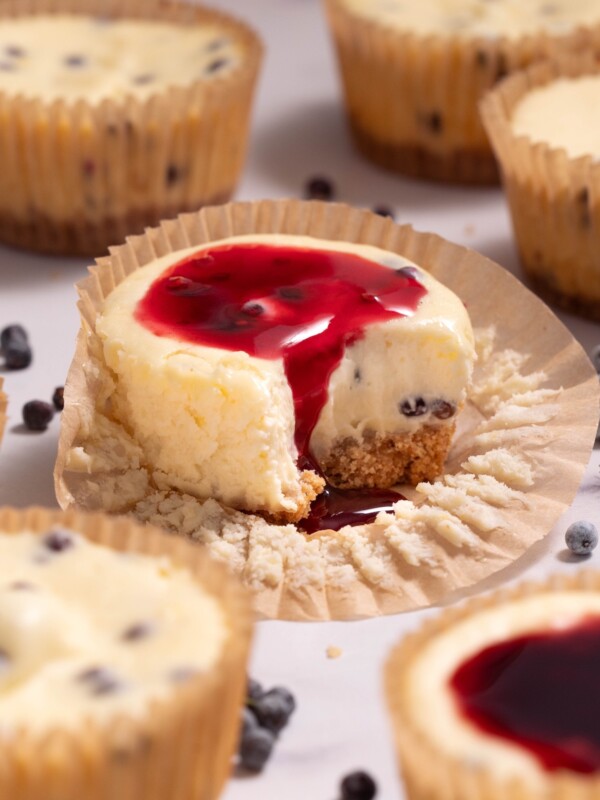
Here’s a few of my favorite hawthorn baking recipes:



How to make hawthorn juice
Hawthorn juice is one of the most useful ways to prepare these berries for baking. The berries contain large seeds, so rather than trying to use them whole, I like to simmer them with water and strain the resulting juice. You can then use that intensely colored, tart fruit juice anywhere you’d use another berry juice.
Use the recipe below to get started. Feel free to adjust the recipe to use whatever amount of berries you’re able to gather. Even if you end up with a small amount of juice, adding a few tablespoons to a frosting recipe will make for an impressive dessert that’s sure to start a conversation.
How to use your hawthorn juice:
- Add to buttercream, frosting, or sweet glazes
- Make hawthorn curd
- Add to cocktails and mocktails
- Fold into whipped cream
- Use to soak cake layers
- Add to fruit sauces and savory glazes
- Make jelly or syrup
Hawthorn Berry Juice
Equipment
- Jelly bag or cheesecloth + colander
Ingredients
- 4 cups fresh hawthorn berries
- 2 cups water
- pinch of salt
Instructions
- Clean berries: Fill a large bowl with 2 parts cold water and 1 part vinegar. Dump your fresh hawthorn berries in, swirl them around a bit, and let sit for 15-30 minutes. This will help encourage any “little friends” to come wiggling out if there are any in there, plus it gets rids of a much of dirt and debris. Scoop berries out with a slotted spoon into a colander over the sink, then rinse well.
- Cook berries: Place hawthorn berries in a heavy-bottomed saucepan; add salt and water, giving a good stir.Heat until water and berries come to a boil; turn heat down to a low simmer and cook for about 15-20 minutes, until berries have burst and fallen apart. The juice in the pan will be sticky and slightly thick.
- Strain: Pour hawthorn berries and their juices into a jelly bag over a bowl to collect juices. If you don't have a jelly bag, line a colander with a thin dish towel or cheesecloth. Use a spatula or wooden spoon to gently press on the berries to help extract the juice. Allow to sit until juices stop dripping and mixture is cool enough to handle.Remove jelly bag from stand and squeeze several times gently to extract as much remaining juice as possible. If using cheesecloth and a colander, bunch cheesecloth up into a bundle and squeeze.
- Store: Discard berry mash and seeds. Put hawthorn juice into a clean jar in the refrigerator until ready to use.
Notes
Did you try this recipe?
Be sure to leave a comment below!