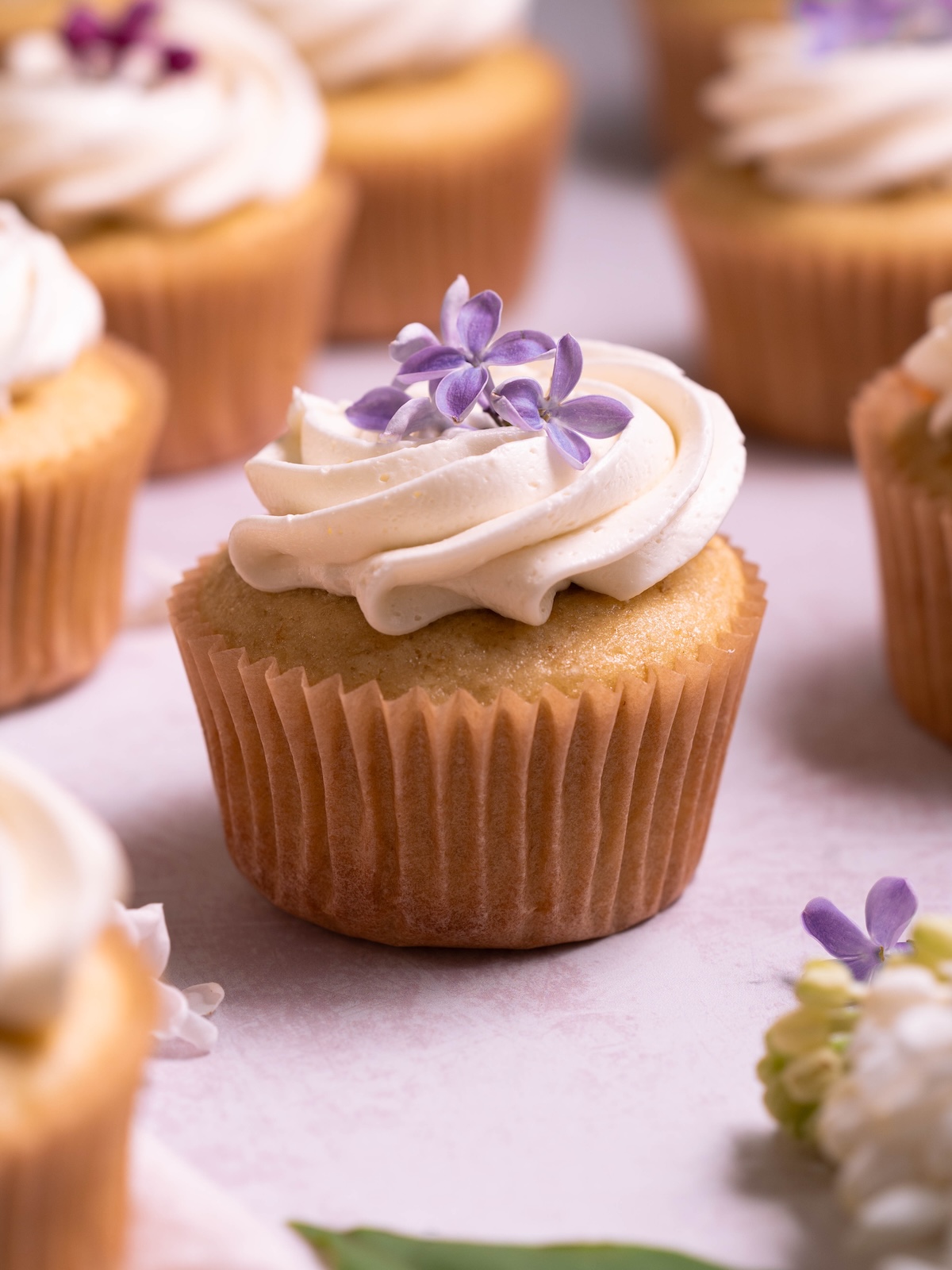
Lilac season is super fleeting and always ends way too quickly, with just a few short weeks where the air is filled with their delicate honeyed scent. These Ultimate Lilac Cupcakes are my favorite way to capture their essence, a true celebration of this incredibly special edible flower.
They’re packed with pure lilac flavor: a soft, airy sponge made with whole lilac flowers and lilac syrup, plus a silky, not-too-sweet Italian meringue buttercream made from lilac syrup, egg whites, and butter. No extracts, no shortcuts, just real lilac.
If you’ve tried my other floral bakes like Ultimate Dandelion Cake or Dandelion Cupcakes, you already know when I say “ultimate,” I mean it. This recipe takes a little extra prep work and planning ahead, but the payoff is something genuinely special.
Recipe highlights
- A simple, focused flavor palette that lets lilacs truly shine
- Pure lilac flavor from both fresh flowers and lilac syrup
- Light, airy sponge cake created by whipping eggs & lilac sugar to ribbon stage
- Silky, luxurious buttercream that’s rich but not overly sweet
- Beautiful & elegant; perfect for parties, birthdays, and spring gatherings
Recipe overview
⏱️ Prep: ~15 min • Bake: 13-17 min • Frosting: ~15 min • Total: ~1 hr
🍴 Yield: 15 cupcakes
💪 Skill level: Intermediate (mainly due to the buttercream)
😋 Flavor notes: Pure lilac! Lightly sweet, floral, honey-like, heavenly.
☕ Pairs well with: Coffee, herbal tea, lilac lemonade, and light spring meals.
Can you eat lilacs?
Yes — lilacs are edible!! Their blooms are safe to eat and have a delicate floral flavor that’s lightly sweet with subtle herbal and honey notes.
Lilacs are most commonly used to infuse sugars and syrups (like the one in this recipe), teas, baked goods, and cream-based desserts like crème brûlée.
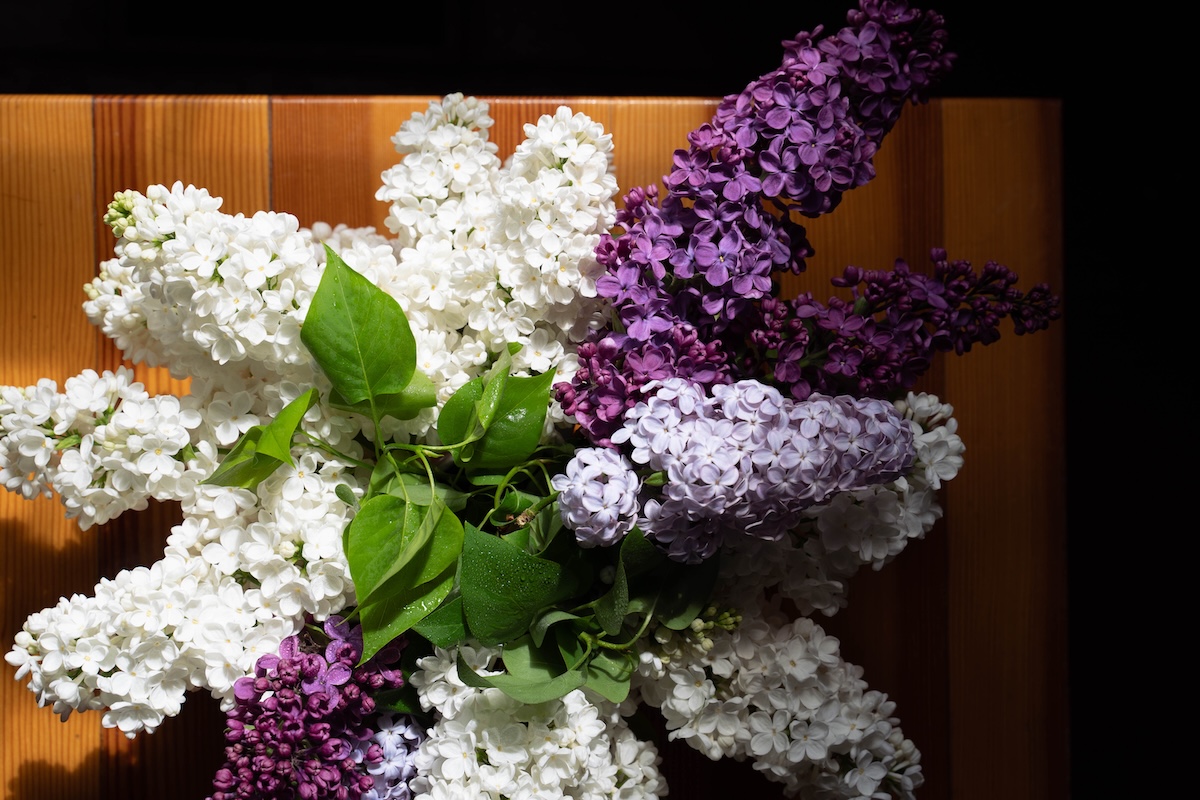
Harvesting & preparing lilacs
Working with fresh lilacs is part of what makes this recipe so special, and a little care here makes a big difference in flavor.
To harvest, snip whole flower clusters using clean garden pruners. If you can, cut a few inches down the stem at an angle and place them in water right away — this helps keep the blossoms as fresh as possible while you work.
For the best flavor, gather lilacs right as they’ve fully opened. This is when their natural oils are most aromatic. Early morning is ideal, before the sun has a chance to fade their scent. Skip any clusters that look wilted, browned, or past their prime.
Once inside, give the blossoms a gentle rinse to remove any dust or tiny insects, then let them air dry. From there, take a few minutes to strip the individual flowers from the stems. The green parts can add bitterness, so removing as much stem as possible keeps the flavor clean.
🌿 Important: Only use lilacs that haven’t been sprayed and are safe for culinary use.
Making the lilac syrup
Before you make these lilac cupcakes, you’ll need to prepare lilac simple syrup, as it’s essential for both the cake and the buttercream.
Because the syrup relies on a long infusion to develop its flavor, this is a step you’ll need to plan ahead for. A few hours will work, but an overnight steep gives you the most vibrant lilac flavor.
👉 Start with my lilac syrup recipe and have it ready before baking.
(You can also substitute other floral syrups like dandelion syrup or magnolia syrup if you’d like a different flavor of buttercream.)
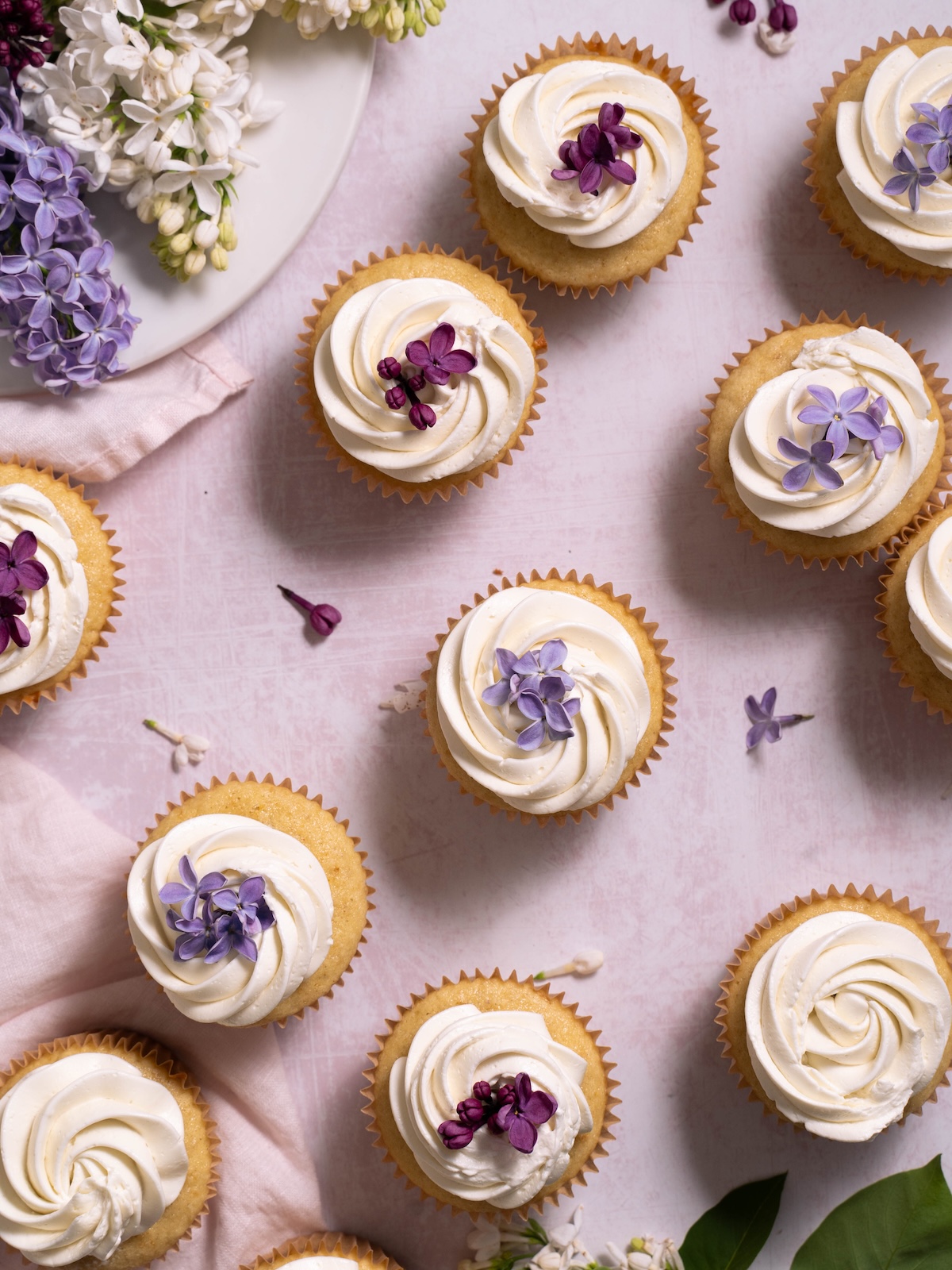
How to make lilac cupcakes
Find the full ingredients list and detailed recipe instructions in the recipe card at the bottom of this post. Here’s a quick step-by-step overview of how to make this recipe:
- Have your lilac syrup prepared. Make lilac syrup and have it ready.
- Make lilac sugar. Pulse fresh lilac flowers with sugar until lightly broken down.
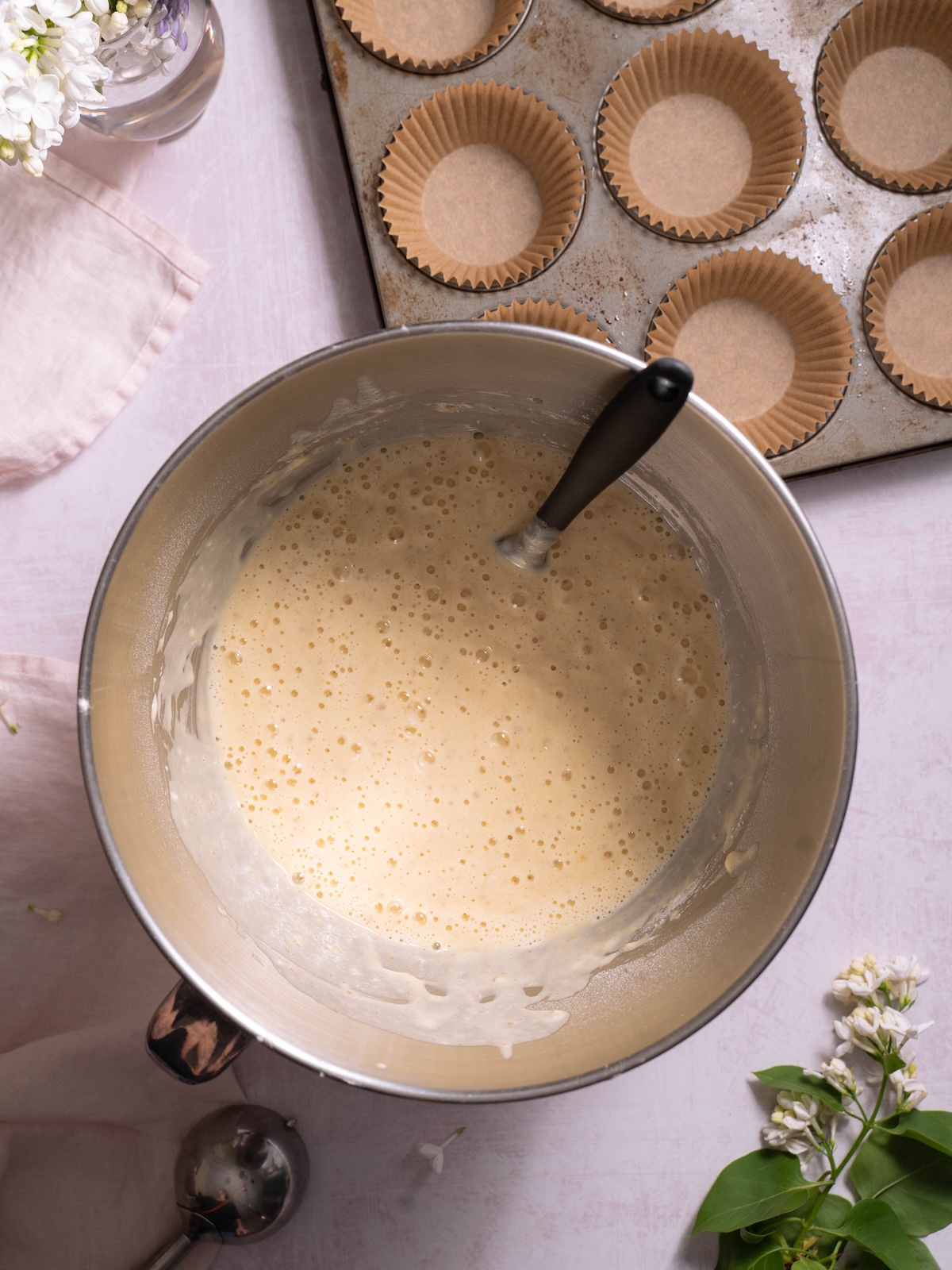
- Whip eggs to ribbon stage. Beat eggs until thick, pale, and voluminous, then gradually add sugar and lilac syrup.
- Fold in dry + wet ingredients. Alternate adding the flour mixture and buttermilk, folding gently to preserve air.
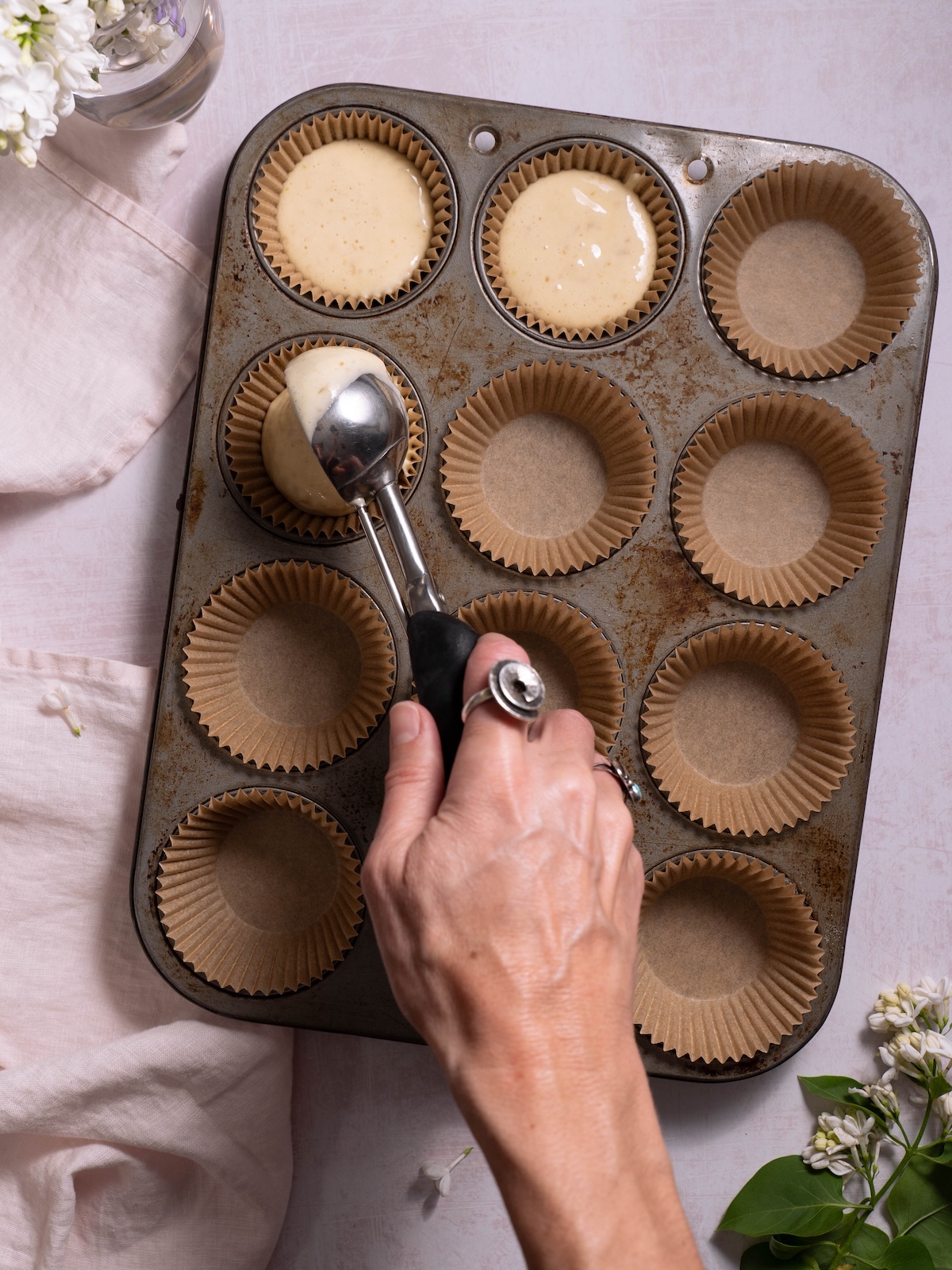
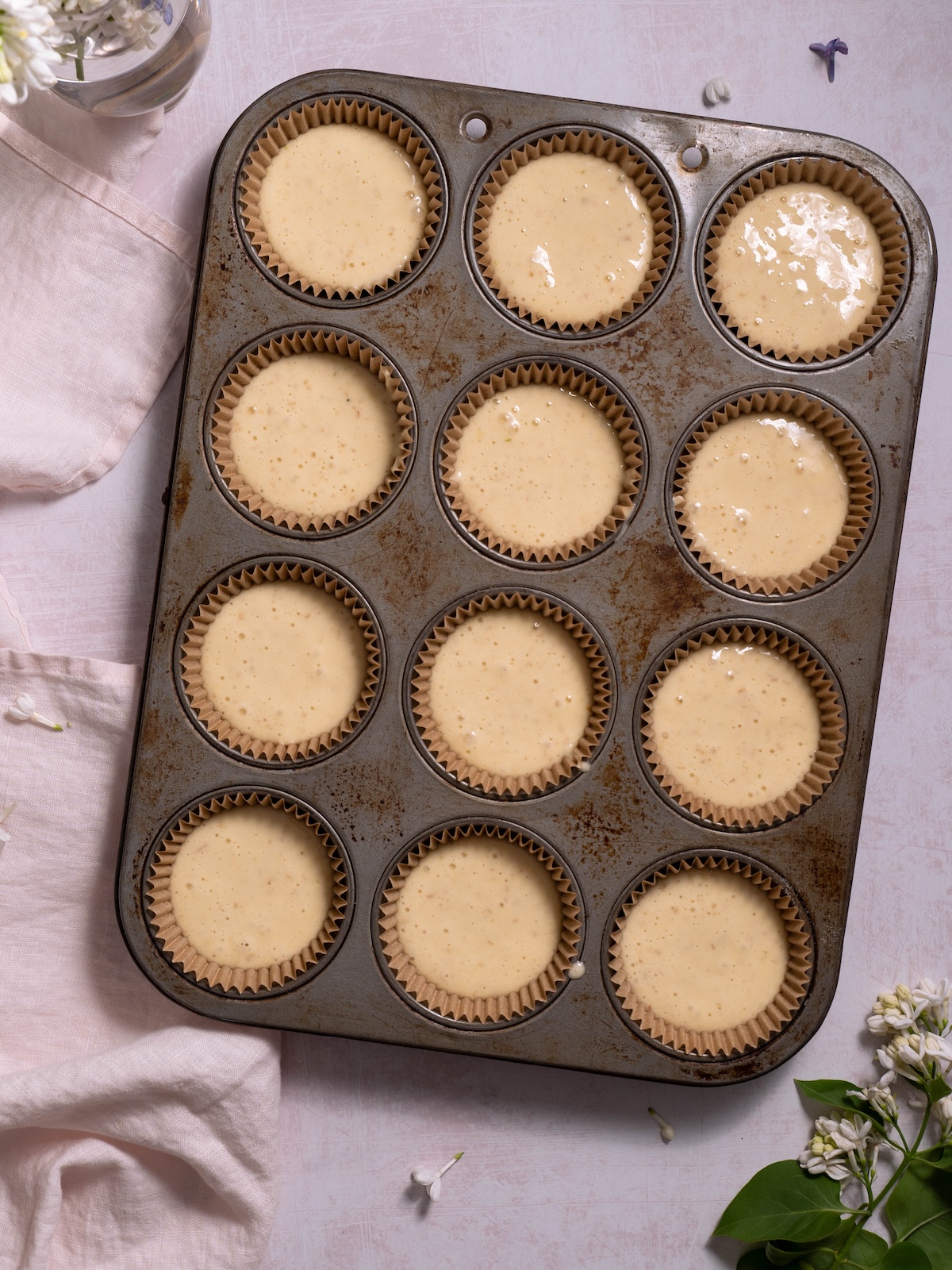
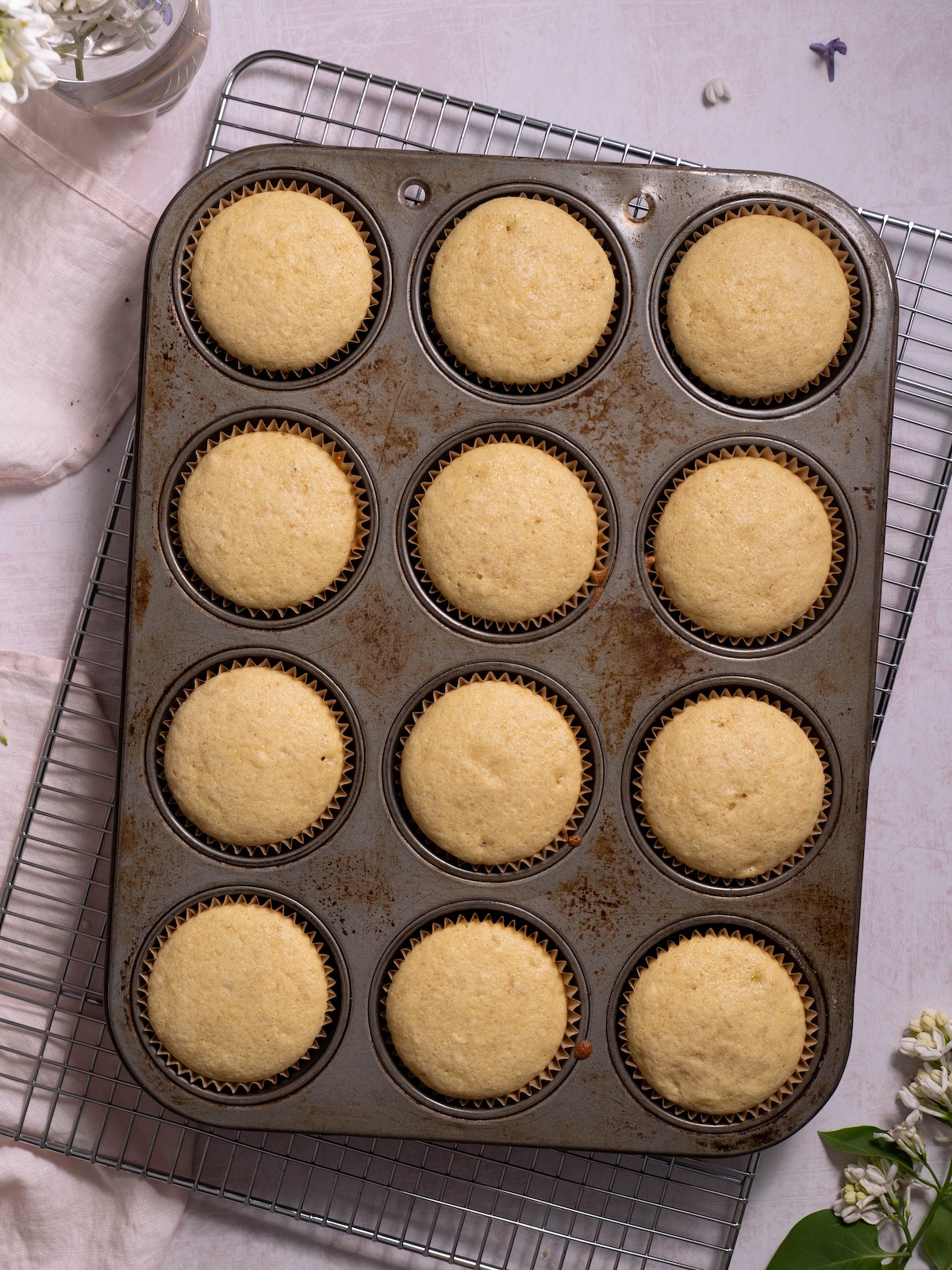
- Bake. Divide into lined cupcake tins and bake at 350°F until the tops spring back lightly. Cool completely.
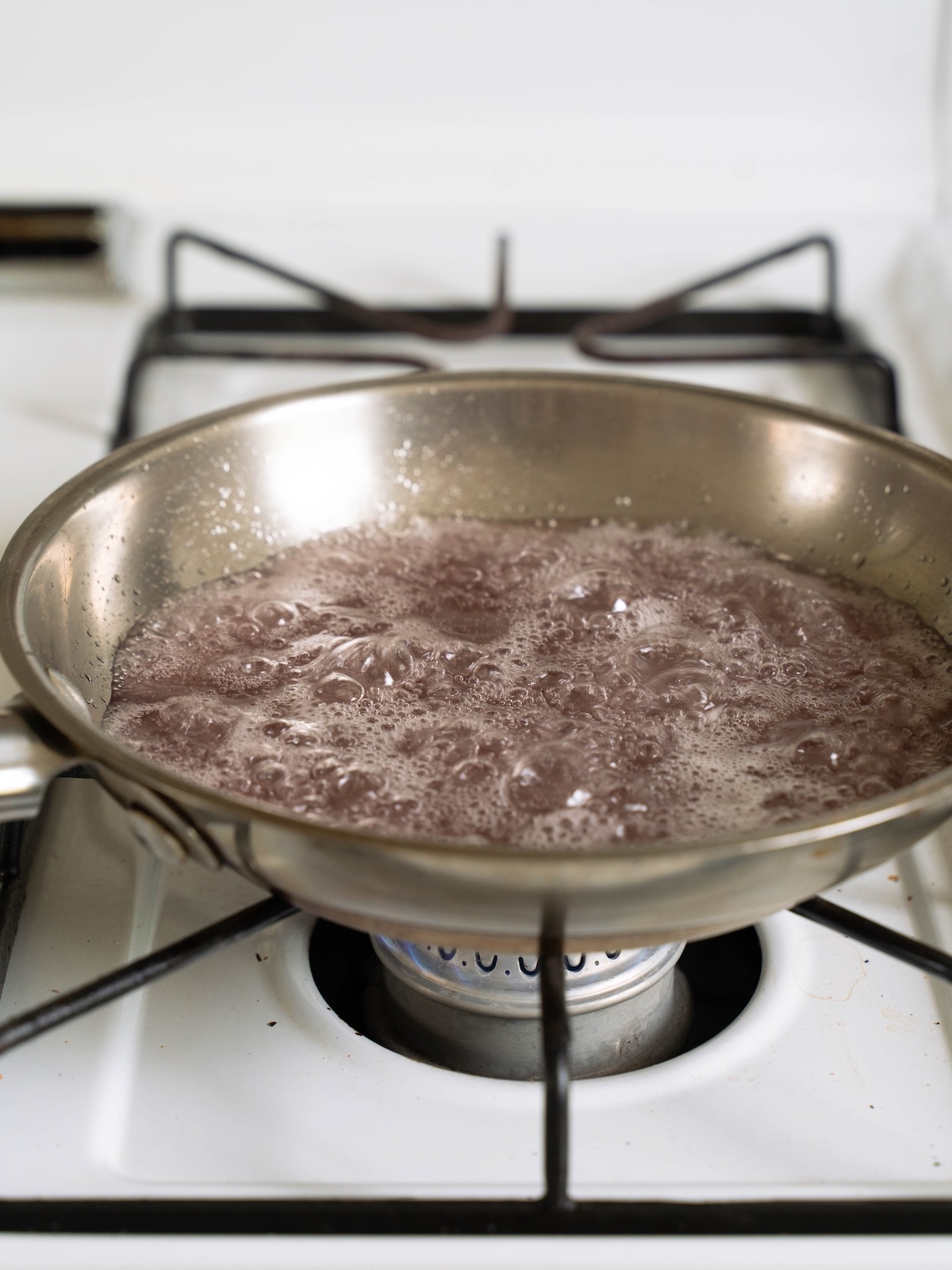
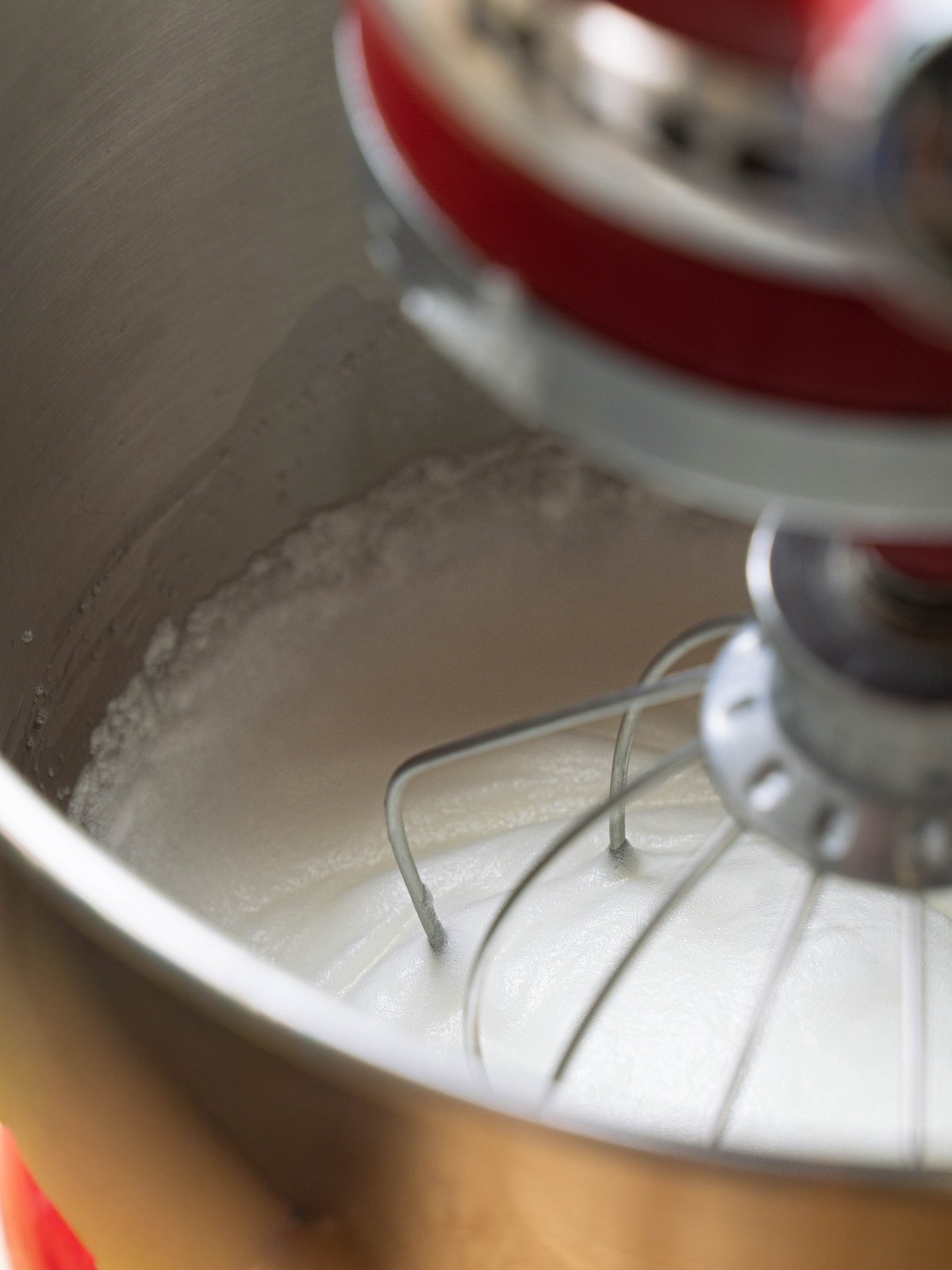
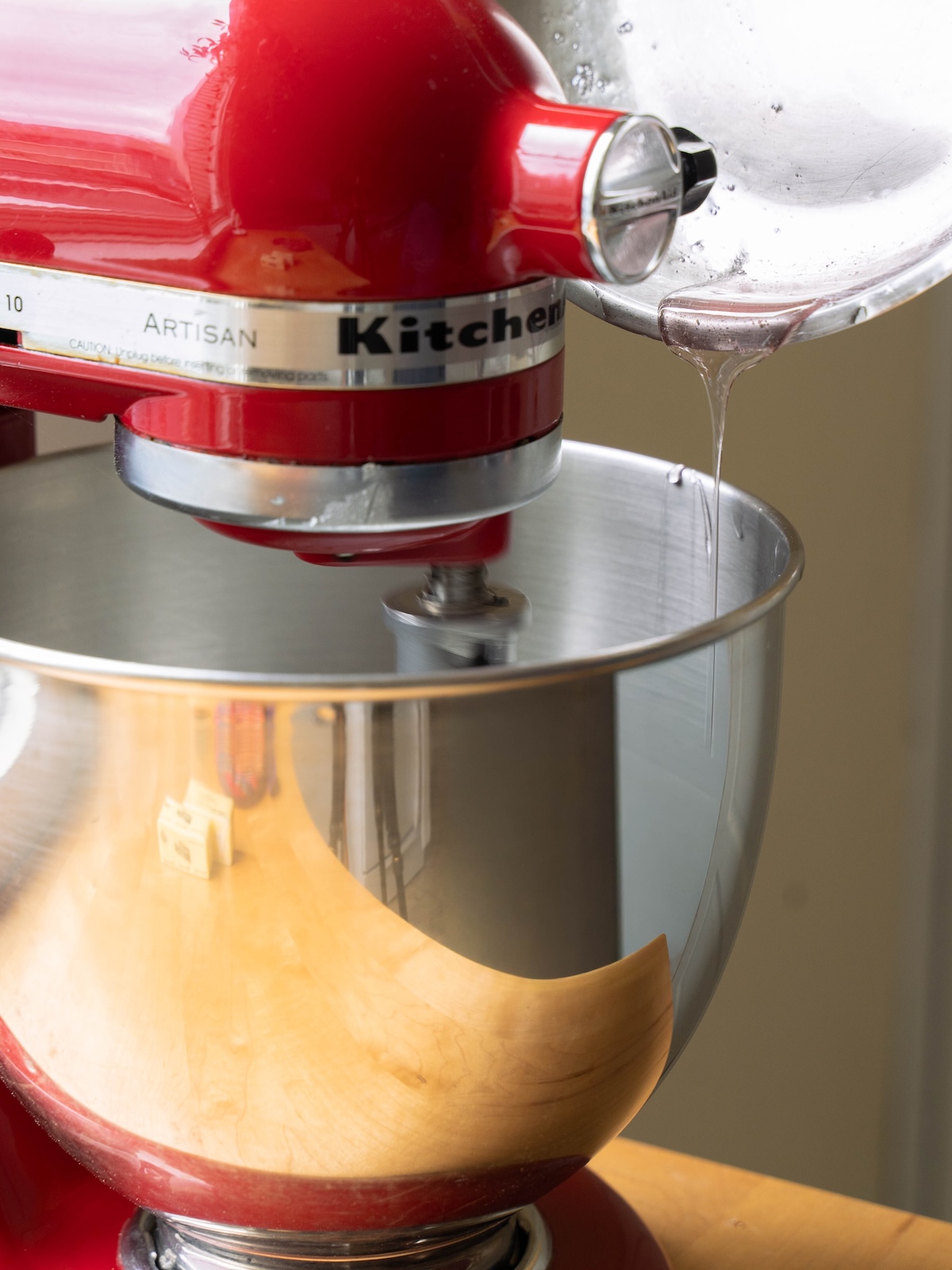
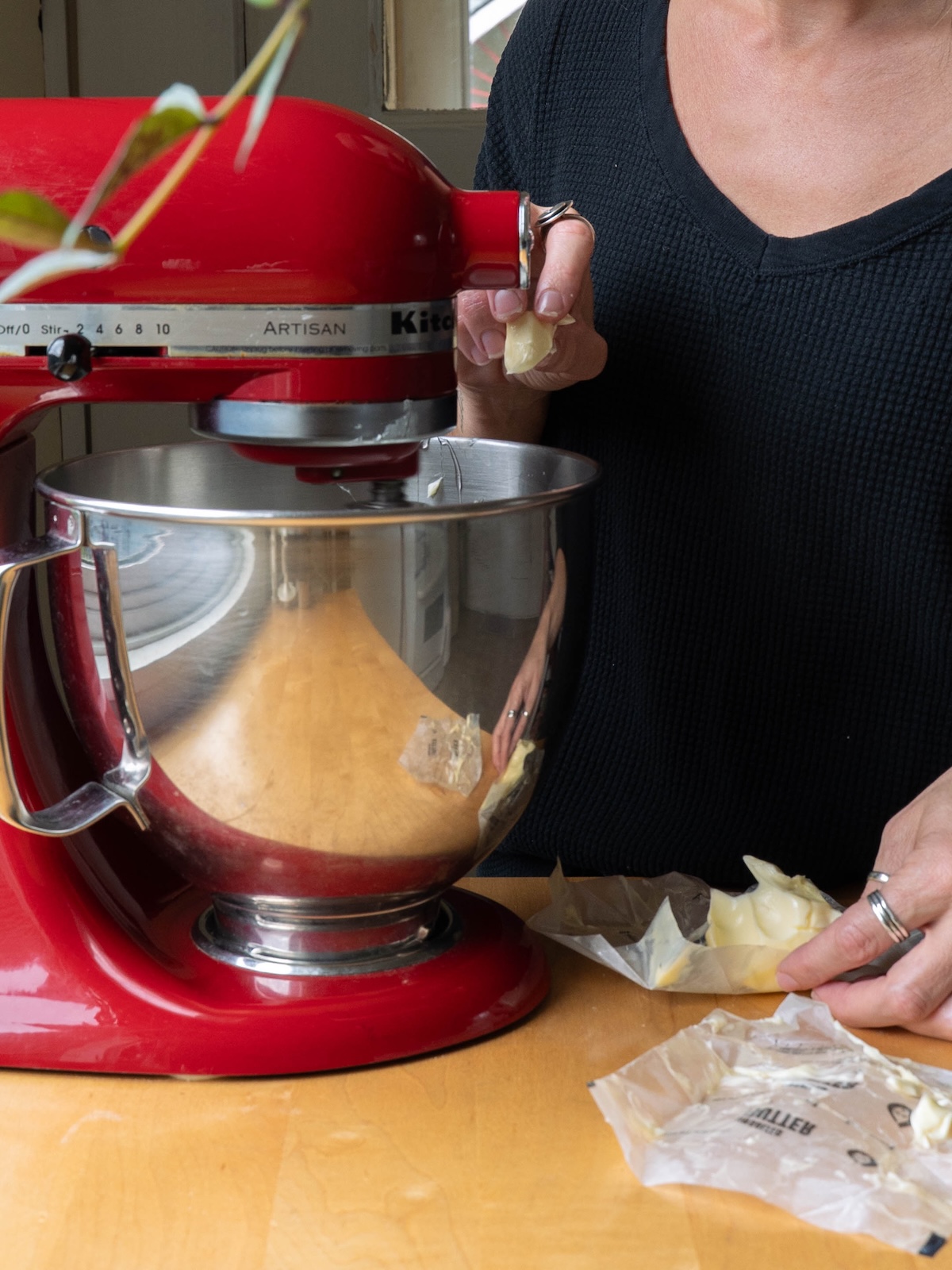
- Make the buttercream. Heat lilac syrup to 235–240°F, then slowly stream it into whipped egg whites. Beat until glossy and lightly cooled, then add butter gradually until smooth and fluffy.
- Decorate. Pipe or spread frosting on cupcakes and finish with fresh or candied lilacs.
Pro baking tips for success
Cupcake tips:
Master the ribbon stage. This is key to the cupcake’s texture — the whipped egg and sugar mixture should fall in thick ribbons that briefly sit on the surface before dissolving.
Fold batter gently. You’ve built a lot of air into the cake batter; overmixing can deflate it.
Buttercream tips:
Be mindful of temperature. Italian meringue buttercream is all about temperature. The butter should be soft without being melty, and the meringue needs to cool to about 90° F before adding the butter to it. Having these two things close to the same temperature helps them combine together smoothly.
Use a thermometer. You’ll need to cook the lilac syrup to “soft-ball stage” (235 – 240°F), so it can be helpful to use a digital or candy thermometer.
Pour the syrup into the meringue slowly. When adding the hot syrup to the egg whites, pour in a slow, gradual stream while they continue to mix over medium speed. If you add the syrup too fast, it can cause the meringue to deflate.
If it looks curdled, keep mixing. It’s normal for buttercream to look curdled when you start adding the butter in. Don’t panic – just keep mixing for a few minutes, and you should end up with a perfectly smooth buttercream.
If it’s still not coming together, it’s probably a temperature issue. Stick the whole thing in the fridge for 10-15 minutes and then try mixing again. Or, warm the bowl briefly and gently over a bowl of warm water and then mix.
👉 For more info on making this type of buttercream, along with troubleshooting tips, check out my post on How to Make Buttercream with Simple Syrup.
Variations & substitutions
Fresh lilacs: I added fresh lilac flowers to the cake batter. You can substitute an already prepared lilac sugar or you could simply skip the flowers and just use regular sugar.
Lilac syrup: The buttercream is made using a special technique where we turn simple syrup into frosting! You can substitute any floral syrup for this, including dandelion syrup, fig leaf syrup, or magnolia syrup.
Pump up the sweetness: I’ve intentionally made these lilac cupcakes light on the sweet side, but if you like sweeter desserts or just want more lilac flavor, you could brush the tops of the cupcakes with lilac syrup after baking and before frosting.
Swap out the cupcake batter: If you’d like to use a simpler cake recipe, check out my Dandelion Cupcakes. The cupcake batter is super quick & easy to whip up! You could even use lilac sugar in place of the regular sugar for that recipe.
Decoration: Candied lilacs add a delicate crunch and hold up much longer than fresh flowers.
Serving & storing lilac cupcakes
For best flavor and texture, store cupcakes in an airtight container at room temperature for up to 4 days.
If using fresh lilac flowers to decorate your cupcakes, do this just before serving, as the flowers tend to wilt quickly once picked.
More edible flower recipes to try
If you love baking with edible flowers, here are a few more recipes to explore:
- Lemon Lilac Butter Cake
- Lilac Crème Brûlée
- Vanilla Lilac Snickerdoodles
- Magnolia Shortbread Cookies
- Raspberry Chamomile Tea Cakes
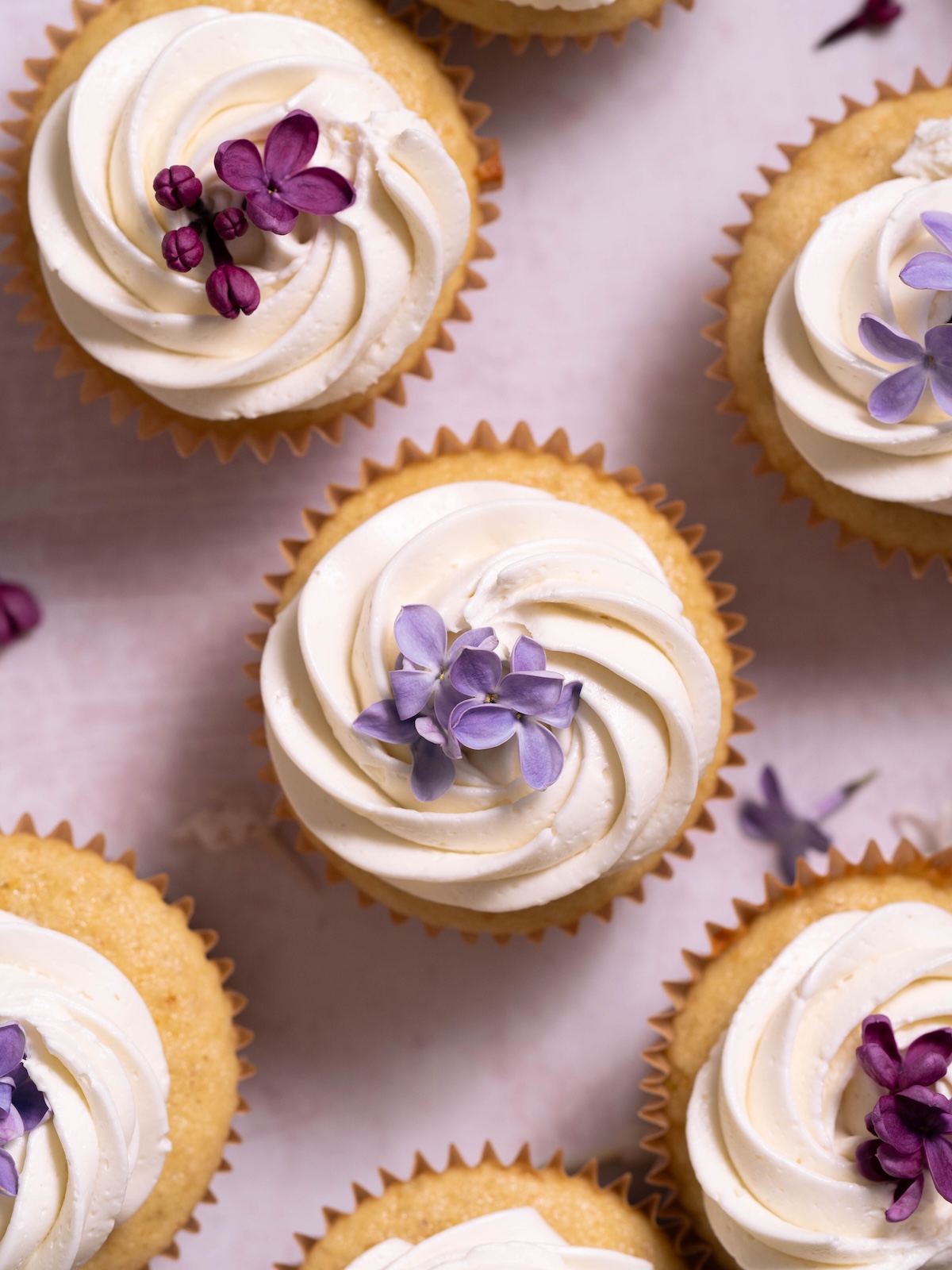
If you try these Lilac Cupcakes, I’d love to hear what you think! Leaving a comment and a star rating below not only helps others find and trust the recipe, it also supports my work and allows me to keep sharing free recipes.
Lilac Cupcakes
Equipment
- Stand mixer with whisk attachment (or electric beaters)
- Cupcake pan & paper liners
- Pastry bag & large star tip (optional)
Ingredients
Lilac cupcakes
- ¾ cup sugar
- ¾ cup fresh lilac flowers, stems & green bits removed
- 1 ½ cups all purpose flour
- 1 teaspoon baking powder
- ½ teaspoon baking soda
- ½ teaspoon salt
- 2 eggs
- 2 tablespoons lilac syrup
- 1 cup buttermilk*
- 2 teaspoons vanilla extract
Lilac buttercream
- ¾ cup lilac syrup
- 3 egg whites
- 8 ounces (16 Tbsp) unsalted butter, soft room temperature
Instructions
- Make your lilac syrup and have it ready.
- Preheat the oven to 350°F and line a cupcake pan with paper liners.
For the cupcakes:
- Make lilac sugar: Pulse ¾ cup fresh lilac flowers with ¾ cup sugar until fragrant and lightly broken down.
- Whisk together dry ingredients: In a bowl, whisk together 1 ½ cups flour, 1 tsp baking powder, ½ tsp baking soda, and ½ tsp salt. Set aside.
- Whip eggs to ribbon stage: Beat 2 eggs on medium speed using electric beaters or a stand mixer with the whisk attachment until thick, pale, and voluminous, about 5 minutes. With the mixer running, gradually add the lilac sugar you made in step 1, followed by 2 Tbsp lilac syrup. The mixture will be thick, frothy, and pale, and should fall in thick ribbons that briefly sit on the surface before dissolving
- Fold in dry + wet ingredients: With mixer running on low speed, alternate adding the flour mixture and the 1 cup buttermilk. Start with about ⅓ of the flour mix, then about ½ of the buttermilk, continuing until all the ingredients are gently folded in. Mix gently to avoid deflating all the air you've built into the batter, and stop mixing as soon as no streaks of flour remain. You might find it helps to finish mixing by hand, folding gently with a spatula. The batter will be somewhat thin and full of bubbles.
- Bake: Divide into lined cupcake tins and bake until the tops spring back lightly when touched, 13-17 minutes. Allow to cool completely.
For the buttercream:
- Clean and dry your mixer & whisk attachment.
- Heat syrup: In a small saucepan over medium-low heat, cook ¾ cup lilac syrup to 235–240°F ("soft ball" stage).
- Beat egg whites: While syrup is heating, add 3 egg whites to mixer with the whisk attachment and whip on medium speed until soft peaks form.
- Stream in the hot syrup: With the mixer running on medium speed, slowly and carefully pour the hot lilac syrup into the egg whites in a thin, steady stream. Aim for the side of the bowl to avoid splattering.
- Whip to a glossy meringue: Increase speed to medium-high and continue whipping for about 5 minutes, or until the mixture becomes thick, glossy, and has cooled to about 90° F (just slightly warm to the touch).
- Add the butter: With the mixer running (low to medium-low), add 8 oz soft butter, about a tablespoon at a time, allowing each addition to incorporate before adding more. The mixture may look curdled or soupy at first. Keep mixing, and it will transform into a smooth, silky buttercream.
- Decorate: Pipe or spread the frosting on your cupcakes and finish by topping with fresh flowers, candied lilacs, or sprinkles.
Notes
Did you try this recipe?
Be sure to leave a comment below!