
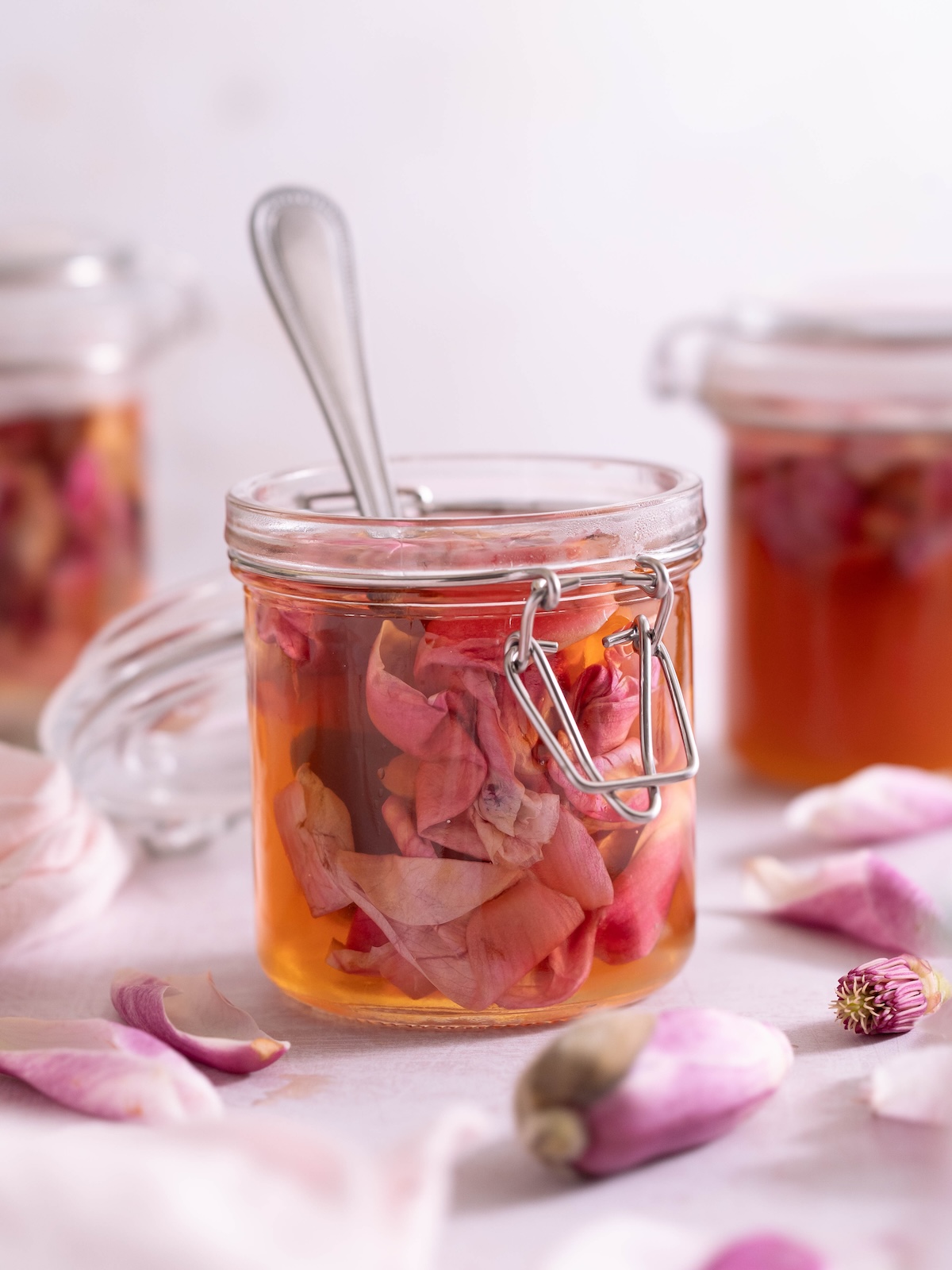
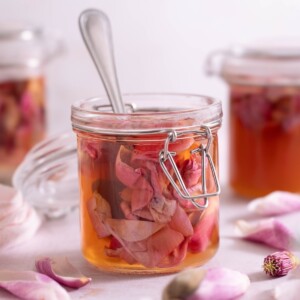
After years of experimenting with magnolia flower recipes each spring, I finally decided to try one of the most talked-about ways to use these beautiful edible blossoms: I made Pickled Magnolia Petals.
But instead of making just one batch and calling it done, I got curious. What vinegar actually tastes best? How much sweetness do they need? And do spices make them better — or just distracting?
So I ran a little kitchen experiment, making several slightly different versions to see what truly works. Let’s talk about what I discovered.
Table of Contents
Why you should try pickled magnolia flowers
- It’s a super easy way to use this abundant spring flower
- They taste deliciously tangy and gingery
- They’re super versatile, especially if you cook with a lot of Asian flavors
- The final jars look pretty and make a fun gift
- The petals stay preserved for months
Recipe overview
⏱️ Prep: 15 mins • Cook: ~5 mins • Total: 12 hrs (to infuse)
🍴 Yield: honestly any amount you want
💪 Skill level: Beginner
😋 Flavor profile: Tangy and spicy, similar to sushi ginger. Pairs well with: Soy sauce, sesame, citrus, rice bowls, spring rolls, poke, sushi, noodle salads, bahn mi sandwiches.
Harvesting magnolia flowers (and which are edible)
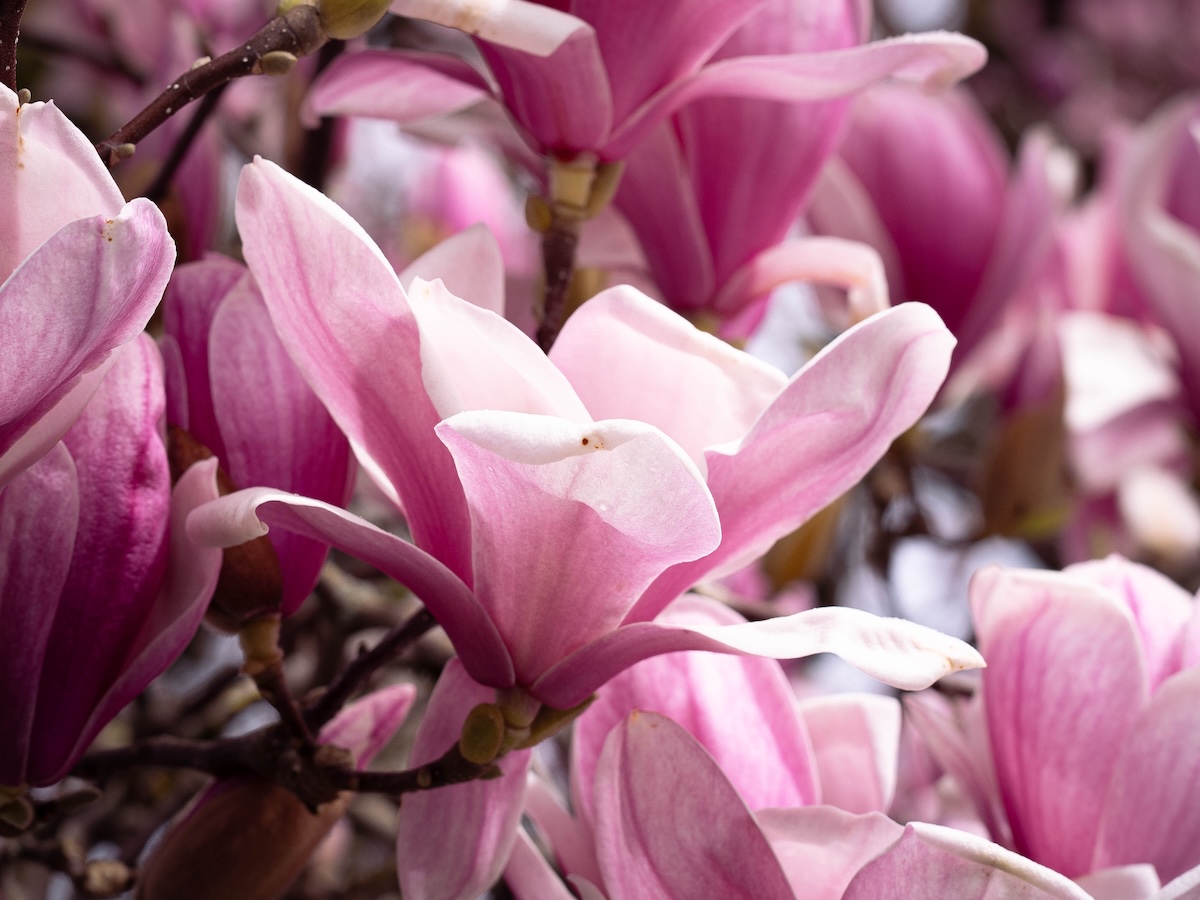
Magnolia trees grow throughout the US, Europe, and Asia, and lucky for us, they’re super common in cities, parks, backyards, and urban landscaping. Plus, the trees put out a massive amount of flowers very early in the spring, exploding with gigantic fragrant blossoms.
The flowers of most species are considered edible, with no known toxic varieties. Common magnolia species include Saucer, Star, Southern, Liliiflora, and Campbell’s Magnolia.
To gather the flowers, simply snap them off the tree at their base. It’s generally best to pick flowers that are budding or freshly opened. Look for clean blossoms that are free from pests, damage, and disease.
🌿 For more info, see my complete guide on Foraging & Cooking Magnolia Flowers.
Foraging for wild edibles must always be done with great care. This post is for educational and inspirational purposes only. It is your responsibility to properly identify any wild plants before consuming them. Some trees may look similar but are not edible. When in doubt, do not consume, and always consult a trusted field guide or local expert.
How to make pickled magnolia petals
Find the full ingredients list and detailed recipe instructions in the recipe card at the bottom of this post. Here’s a quick step-by-step overview of how to make this recipe:
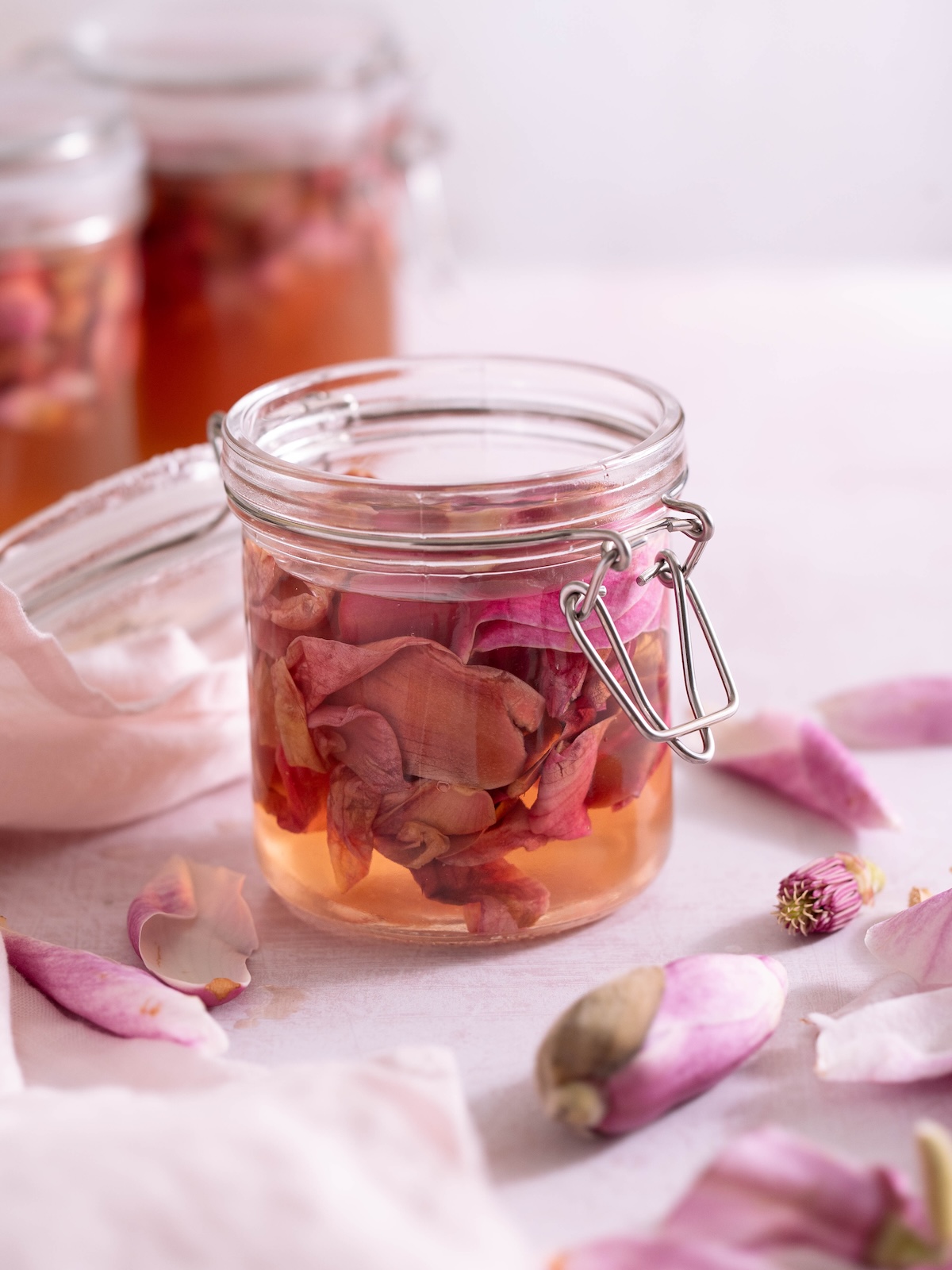
- Clean: Rinse flowers, remove petals from the base, and gently pat dry.
- Prep: Pack petals into clean sterilized jars.
- Cook: Simmer vinegar gently with sugar & salt until everything is dissolved.
- Cover: Pour hot vinegar mixture over petals, pressing down to keep them submerged under the liquid. Add any whole spices, if using.
- Infuse: Seal jars and cool to room temperature, then allow to rest in the refrigerator overnight.
That’s all it takes! You now have a beautiful homemade pickle (a flower pickle!) to garnish your favorite dishes.
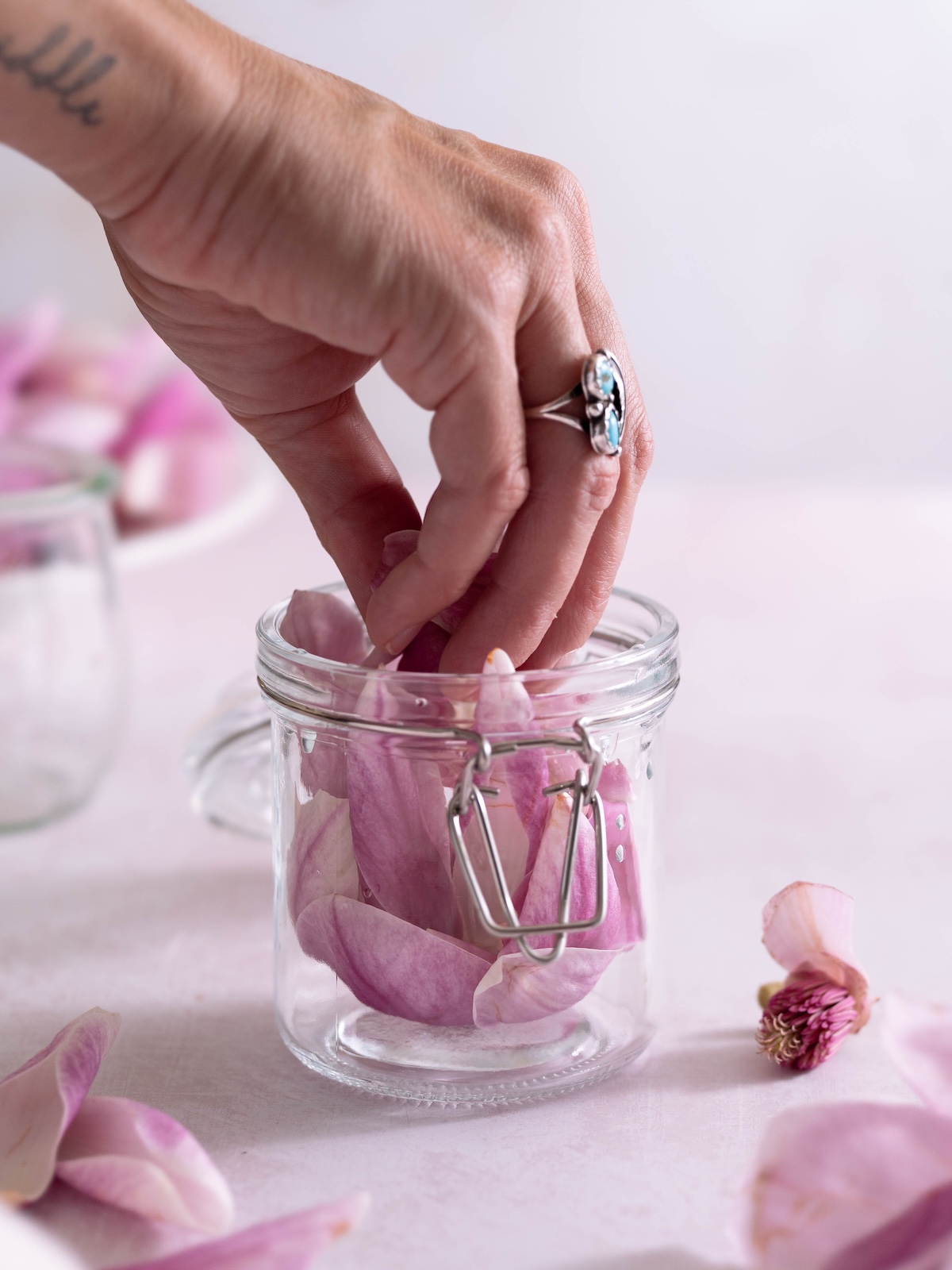
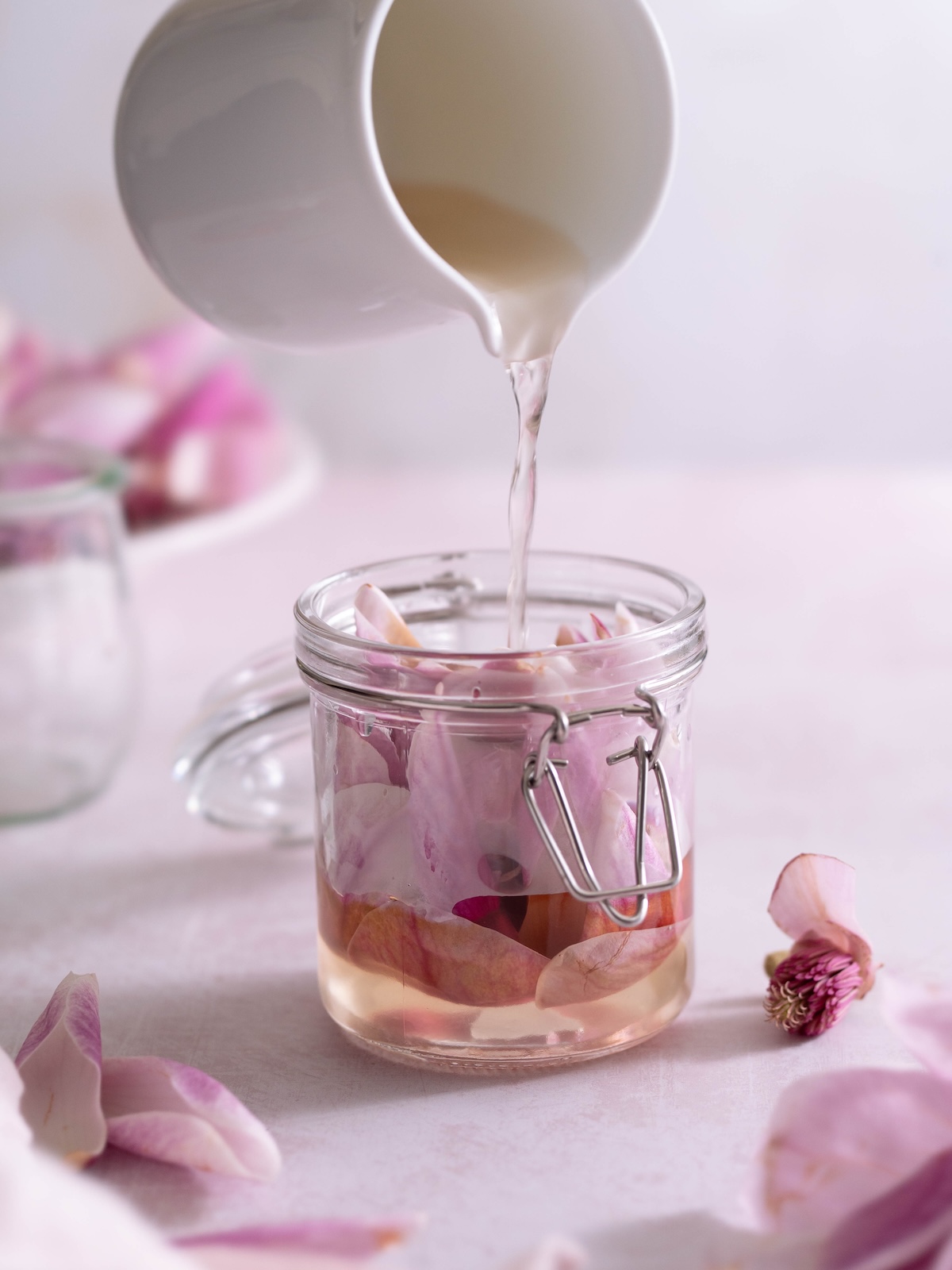
Tip: Pack the petals into your jars tightly. They’ll shrink quite a bit when the hot vinegar touches them. You may want to add a few more petals to the jar after pouring the brine in.
Variations (what I tested & what actually matters)
Because pickled magnolia petals are such a seasonal, special recipe, I wanted to go a little deeper than just making one batch. I tested multiple versions using different vinegars, sugars, and spice additions to see what truly makes the best pickle. I took inspiration from Rooted Food and Eat Weeds and adapted my brine ratios until I found the flavor I like (tangy, not too sweet, a little salty).
Here’s what I found.
Vinegar choices
Rice vinegar:
Light and neutral. This version allowed the natural magnolia flavor (floral, gingery, bright) to shine the most. It was also the most visually beautiful, producing a clear, jewel-toned magenta brine.
Apple cider vinegar:
Bolder and fruitier. This batch tasted more intense and slightly more floral overall. A great option if you want a stronger, punchier pickle. The downside is appearance — the brine turned noticeably more cloudy and muted in color.
White vinegar:
Technically works, but was my least favorite. While neutral in theory, the flavor felt sharper and less nuanced than the rice vinegar version.
Brown sugar vs. white sugar
Interestingly, the type of sugar made less of a difference than I expected. Brown sugar created a darker brine with a slightly warmer flavor, but the flavor change was subtle.
You can comfortably use white sugar, brown sugar, coconut sugar, or turbinado for this recipe. Just be sure to simmer the brine long enough for the sugar to fully dissolve.
Adding spices
If you want to build more depth and complexity, add some whole spices to your brine. Think of flavors that complement magnolia’s natural warmth and gentle spice, but try not to go overboard here. One or two whole cloves or a couple pieces of star anise will add plenty of flavor.
Some lovely options include:
- allspice berries
- cardamom pods
- star anise
- whole cloves
- cinnamon stick, broken up
- a small piece of nutmeg
In one batch, I added a few allspice berries (about 5 per cup of vinegar), and they brought a wonderful layered warmth that enhanced the gingery character of the petals without overpowering them.
To chop or not to chop?
Some people give their magnolia petals a chiffonade or fine chop before adding to the jars. I’m personally not a fan. I find that it’s quite lovely to pull out a full petal from the jar, and feels more like sushi ginger. Feel free to do what works for you.
👉 My overall recommendation:
If you’re making pickled magnolia petals for the first time, start simple: a clean brine of rice vinegar, sugar, and salt lets you really experience their unique flavor.
From there, you can experiment with spices or different vinegars to create your own favorite variation. This is one of those recipes that is so fun to revisit and refine every spring.
FAQs
Every species is a bit different, but the flowers have notes of citrus, ginger, cardamom, and rose.
They’re super similar to sushi ginger (gari)! Spicy, tangy, gingery, and delicious.
Pickled magnolia flowers stay preserved in the refrigerator for 3-4 months, but for the best flavor, try to use them within a month.
What do you use pickled magnolia for?
These bold, savory flower pickles work well with flavors like soy sauce, ginger, citrus, and herbs. Try them in a rice bowl, on top of your homemade sushi, or on a bahn mi sandwich.
One of my favorite uses so far was to mince them up, adding the minced pickled petals to a sesame ginger sauce and replacing the rice vinegar in the recipe with their brine. I then tossed rice noodles, veggies, and sesame crusted tofu with the sauce and served it with extra pickled magnolia petals on the side. It was stunning!
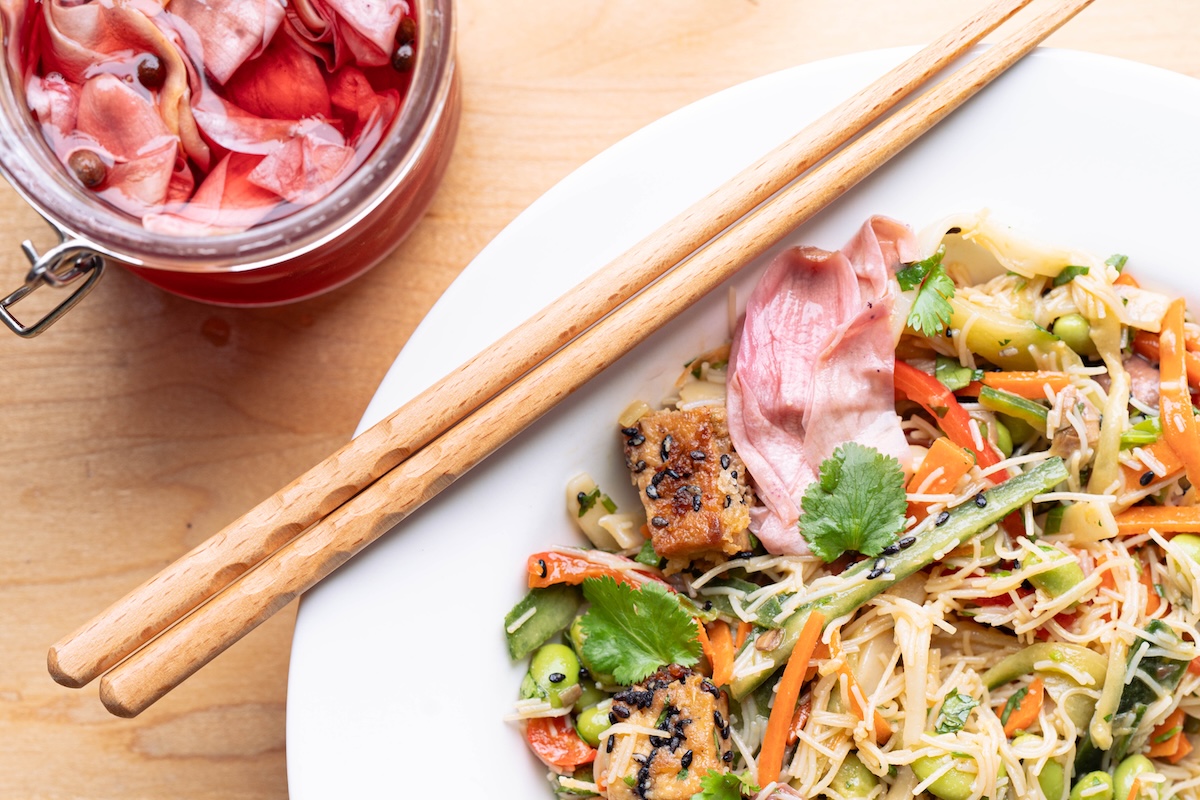
The petals are also delicious blended into marinades and dressings. And don’t forget to use some of the pickle brine to bring extra pizzazz to dishes. It’s even delicious in place of olive juice in a dirty martini!
🌸 If you love using edible flowers, you’re in the right place! Browse more of my edible flower recipes here.
More magnolia recipes
Did you make these Pickled Magnolia Petals? Please leave a star rating & comment below. I’d love to hear what you use your flowers for. Thank you!
Pickled Magnolia Petals
Equipment
- Jars with lids
Ingredients
- ~4 cups magnolia petals, packed
- 2 cups vinegar, rice, apple cider, or white
- ½ cup sugar
- 2 teaspoons salt
- whole spices, optional
Instructions
- Clean and prep your flowers: Add magnolia flowers to a colander and give them a gentle rinse. Allow them to drip dry a few minutes. Remove petals from base of flowers and discard the reproductive parts and any leaves or stems. Pat the petals dry.
- Pack jars: Pack magnolia petals tightly in clean, sterilized jars. You can use two 8-ounce jars or one 16-ounce jar (or multiply this recipe to make as much as you like!).
- Make the brine: Simmer 2 cups vinegar, ½ cup sugar, and 2 tsp salt over low heat, stirring frequently. Cook until the sugar and salt is completely dissolved, about 3-5 minutes.
- Cover flowers: Pour hot vinegar into jars, pressing petals down to keep them submerged under the liduid. The petals will shrink quite a bit, so you may want to add another small handful of petals at this point.If you're using any whole spices, add them to the jars now. Close the jars and allow to cool until they're about room temperature, then move to the refrigerator and let them infuse overnight.
Notes
Did you try this recipe?
Be sure to leave a comment below!
These are surprising good! Never knew…
Right? They’re so fun!