
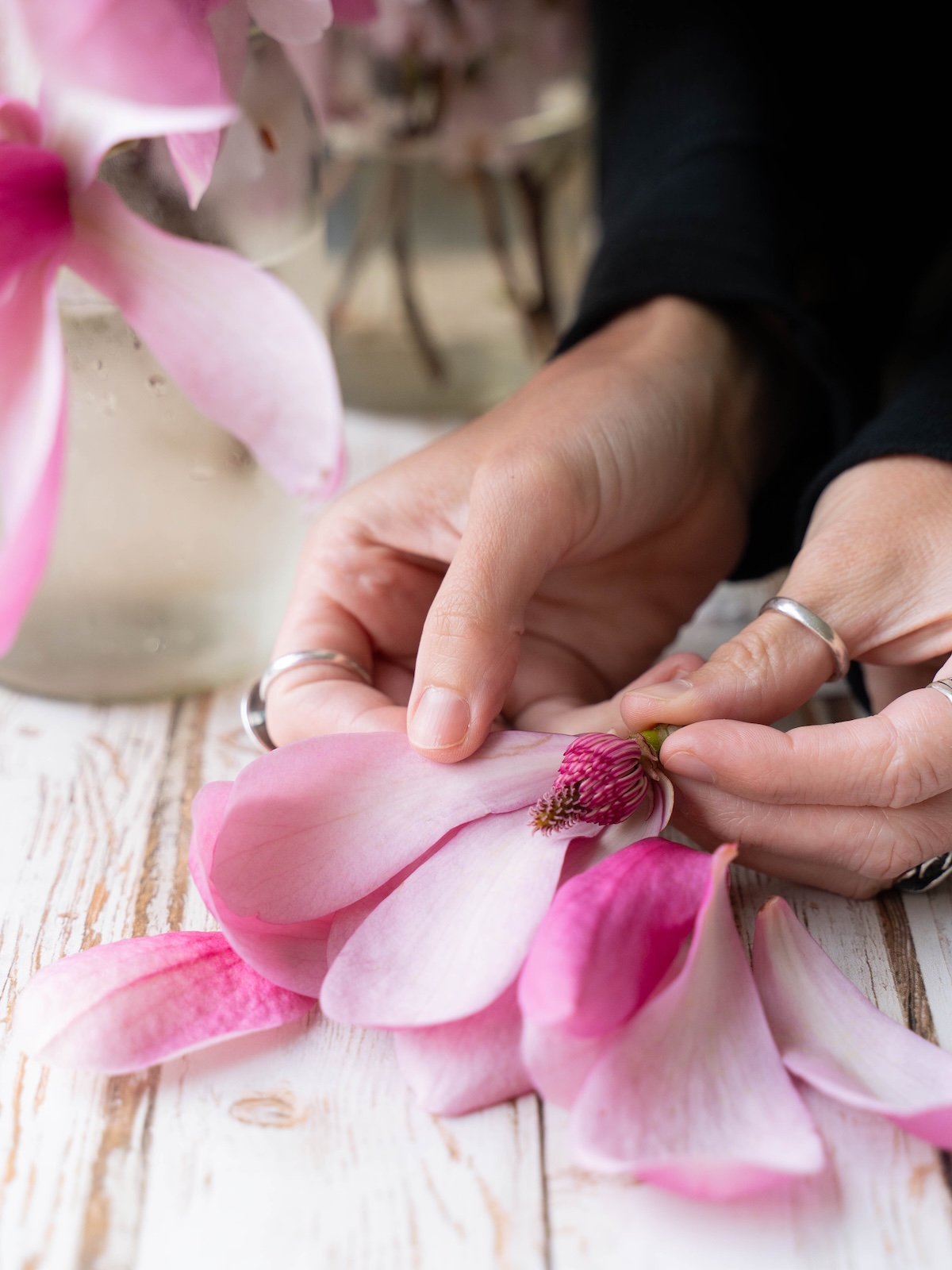
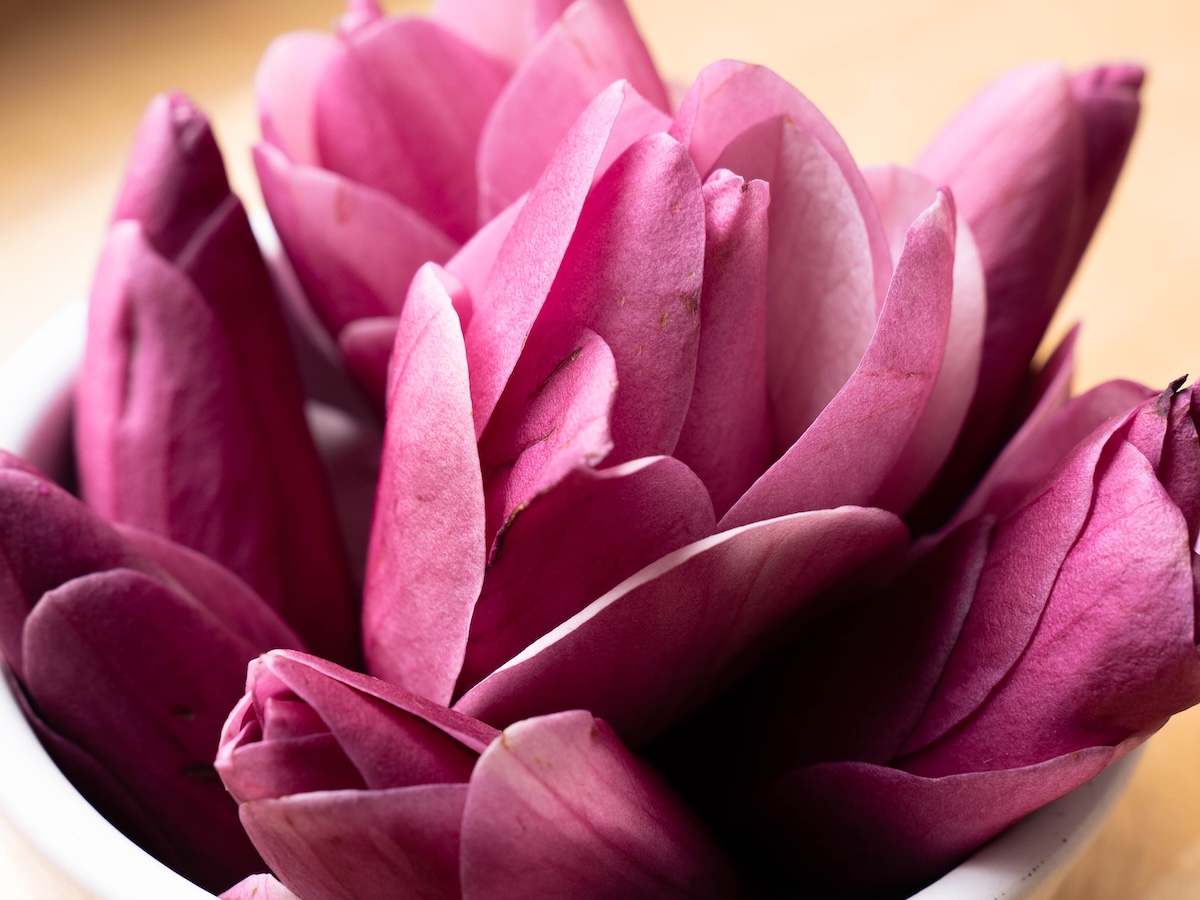
Magnolia flowers provide one of spring’s first edible treasures, with big showy blossoms that bring early color to the season. Their petals are thick and subtly fragrant, with a surprising flavor that’s bright, floral, and gently spicy, almost like freshly grated ginger.
If you’ve ever walked past a blooming magnolia tree and admired it, you’ll be happy to know that all those big flowers are actually edible! And once you start working with them, it opens up a whole new world of floral recipes. For me, they mark the beginning of edible flower season (my favorite!), and each spring feels like an invitation to create something new and beautiful with them.
Table of Contents
Why you’ll love cooking with this special flower
- A truly unique flavor that’s floral with a gentle gingery spice
- One of the most unexpected edible flowers that’s sure to surprise & delight
- Perfect for both sweet and savory recipes!
- Widely available in spring (often right in your own neighborhood)
- A beautiful, intriguing ingredient that most people don’t know is edible
Are magnolia flowers edible?
Yes, magnolia flowers are edible, but not all varieties are equally enjoyable. Keep in mind that it’s not 100% clear if all types of magnolia blossoms are edible, though there’s no known toxic varieties.
Common varieties for eating:
- Saucer magnolia, Magnolia soulangeana (very common, spicy & floral)
- Star magnolia, M. Stellata (milder, more delicate, citrusy)
- Southern magnolia, M. grandiflora (thick, white, pungent petals)
- Campbell’s magnolia, M. campbellii (dark pink, spicy)
Foraging for wild edibles should always be done with great care. The information on this blog is provided for educational and inspirational purposes only. It’s your responsibility to properly identify any wild plants before consuming them. Some plants may have toxic lookalikes. If you’re uncertain, don’t eat it! Always consult a trusted field guide or expert before consuming wild foods.
What do magnolia flowers taste like?
Magnolia petals have a bold and complex flavor that’s unlike many other edible flowers. There are many types of magnolia tree, and the flavor of the flowers can vary between varieties.
They can be lightly floral, gently citrusy, or slightly bitter (especially when older). But most notably, their flavor is warm and spicy. To me, they taste like a combination of fresh ginger, cardamom, and rosewater.
Younger petals and unopened buds tend to be milder and less bitter, while fully open flowers have a stronger, more intense flavor.
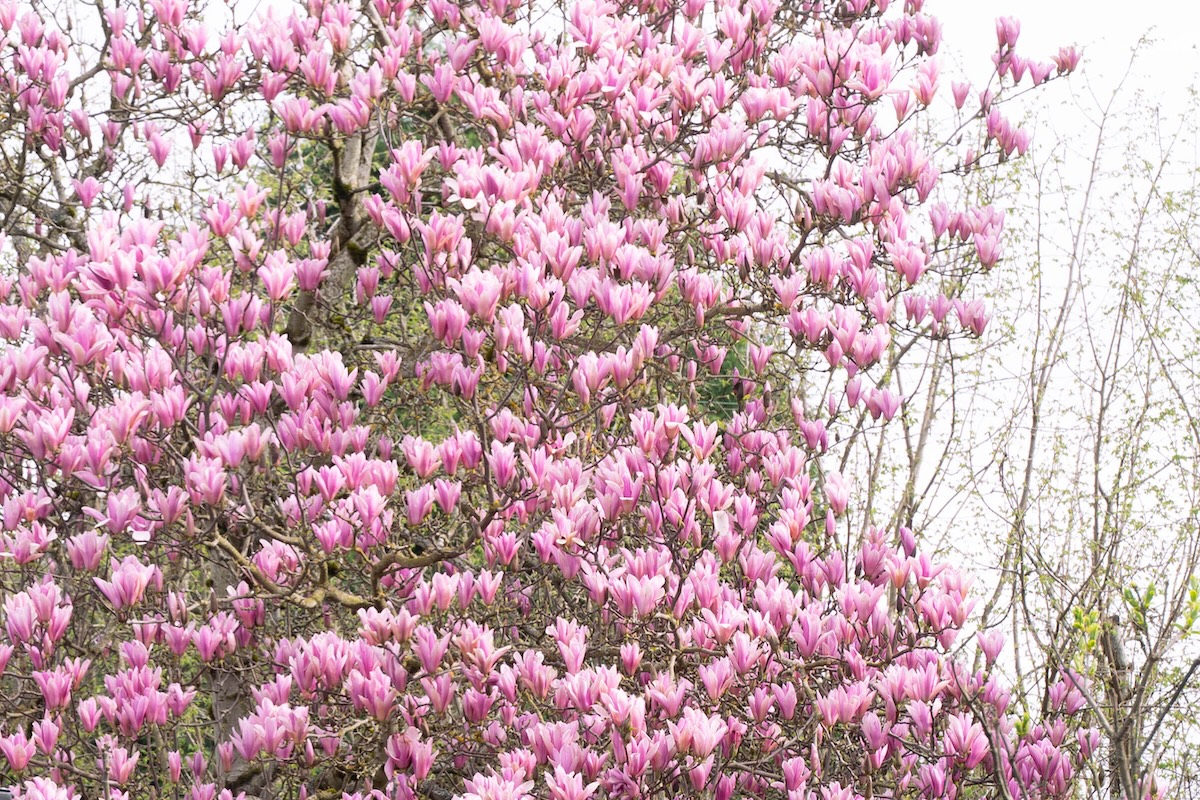
How to identify magnolia trees
Magnolia trees are fairly easy to recognize. These large, grand trees are common in cities, neighborhoods, and urban landscaping. Look for:
- Large, showy flowers (up to 12 inches across!)
- Petals can be white, cream, yellow, pink, or purple
- Blooms very early in the spring (often before the leaves appear)
- Flowers are often tulip- or star-shaped with a center cone that looks like a pineapple
- Thick, large, shiny or leathery, light to dark green oval-shaped leaves
- A scent that’s subtle and lightly floral, similar to roses or lilacs
When & how to harvest magnolia flowers
🌸 When to harvest: Early to mid-spring. Typically one of the first flowers to bloom!
🌱 Best stage to harvest: Buds or freshly opened flowers
✂️ How to harvest: Gently pluck petals or cut whole blossoms off tree
A few important foraging tips:
- Harvest from areas free of pesticides, herbicides, and pollution
- Only take what you need and will truly use
- Choose fresh, newly opened flowers or buds
- Avoid flowers that are damaged or diseased
Generally, the younger flowers and fresh buds have a milder flavor. As the blossoms get older, they tend to take on a stronger flavor, eventually becoming bitter as they mature. And remember, different varieties have slight nuances in flavor!
How to prepare magnolia flowers
Before using magnolia flowers in a recipe:
- Separate petals from the base
- Trim away any tough sections at the bottom and any damaged pieces
- Gently rinse petals to remove dirt or insects
- Pat dry
Now they’re ready to use for any sweet or savory application!
Magnolia recipes & ideas
Now, for my favorite part – let’s put those edible flowers to use! Magnolia flowers are interesting because they can be used for both sweet and savory dishes. Sweet applications highlight their floral side. Savory uses bring out the spicy, ginger-like qualities.
You can use magnolia flowers fresh, dried, candied, or pickled. I especially like drying some to keep on hand. They’re great for tea, or you can grind the dried petals into a fragrant powder to use as a seasoning. For an easy finishing touch, try mixing the powder with equal parts sugar or salt to sprinkle into recipes.
Quick win!
Drying magnolia petals
- Gently rinse and pat the petals dry.
- Lay them in a single layer on a clean towel or drying rack.
- Let air dry in a warm, well-ventilated spot for several days, or use a dehydrator on low (95–105°F) until fully dry and crisp.
- Store in an airtight jar away from light.
Use for tea, infusions, or crumble on top of cakes, cookies, and pastries.
A step further: make magnolia powder
- Once petals are fully dried, grind them into a fine powder using a spice grinder, food processor, or mortar & pestle. Store the powder in a dark cupboard and use like a spice.
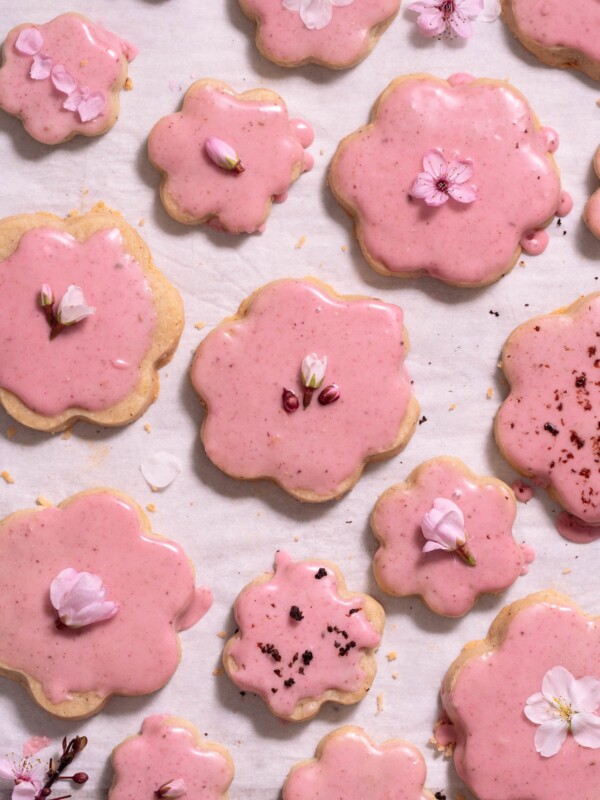
Use to flavor just about anything! Think of it like using powdered ginger or cardamom. I love this powder in magnolia shortbread cookies.
A step further: make magnolia seasoning
- Mix the powder with equal parts high-quality sea salt or use a 1:3 ratio of magnolia powder to sugar.
- Let it sit for a day or two to infuse, then use as a fragrant finishing touch for desserts or savory dishes.
Sweet uses
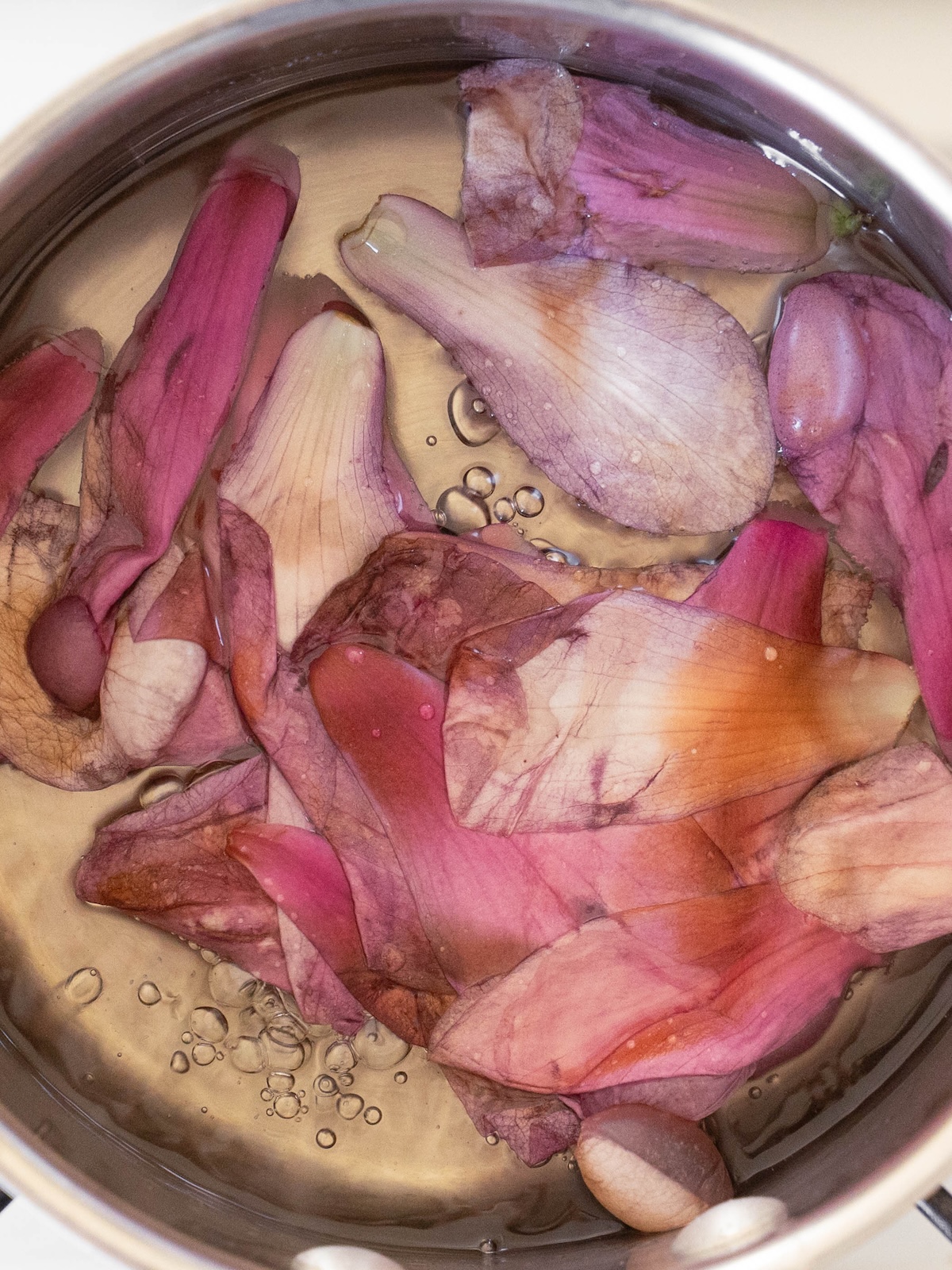
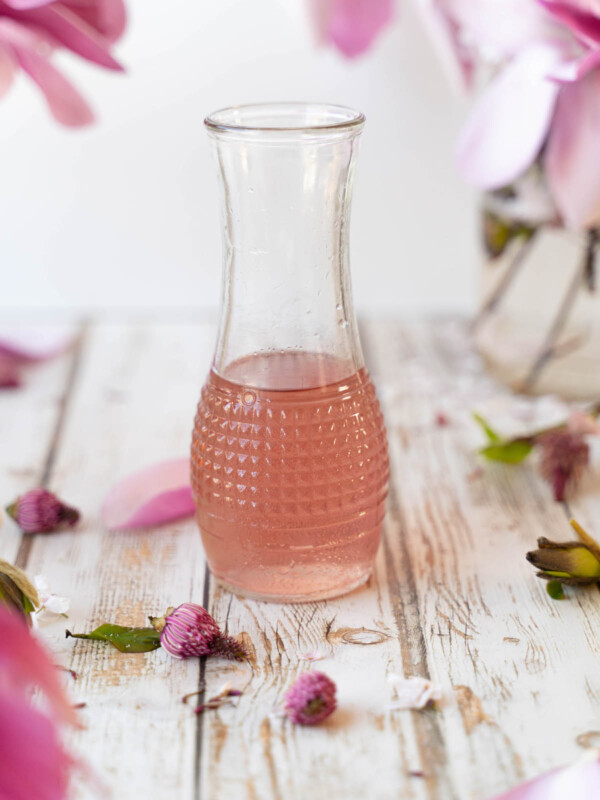
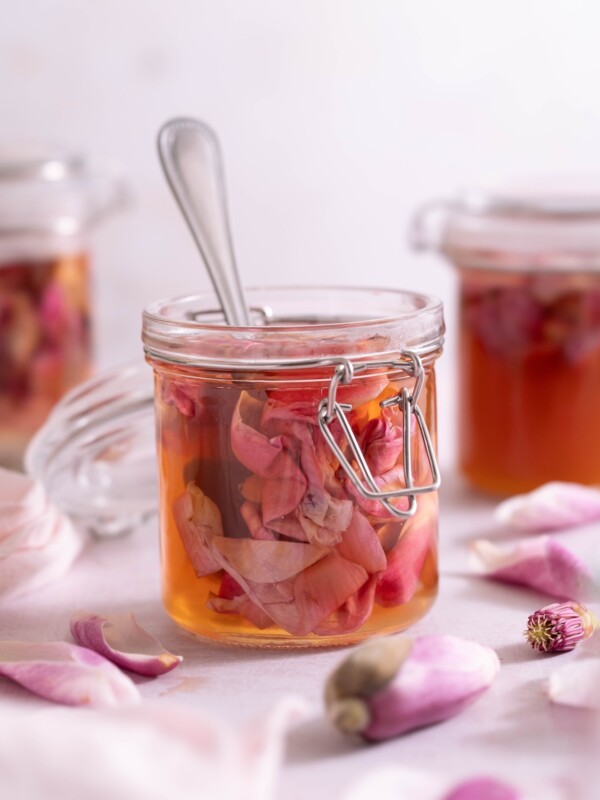
- Make a magnolia simple syrup
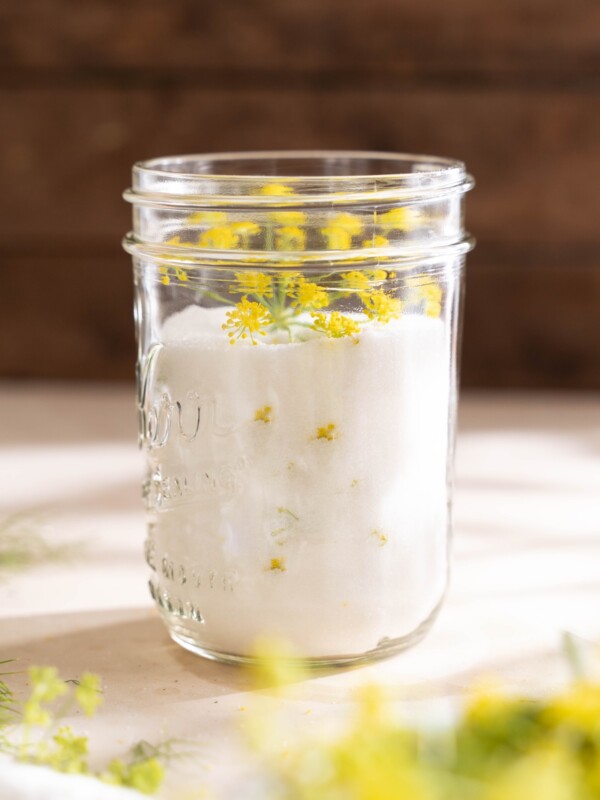
- Grind fresh or dried flowers into magnolia sugar
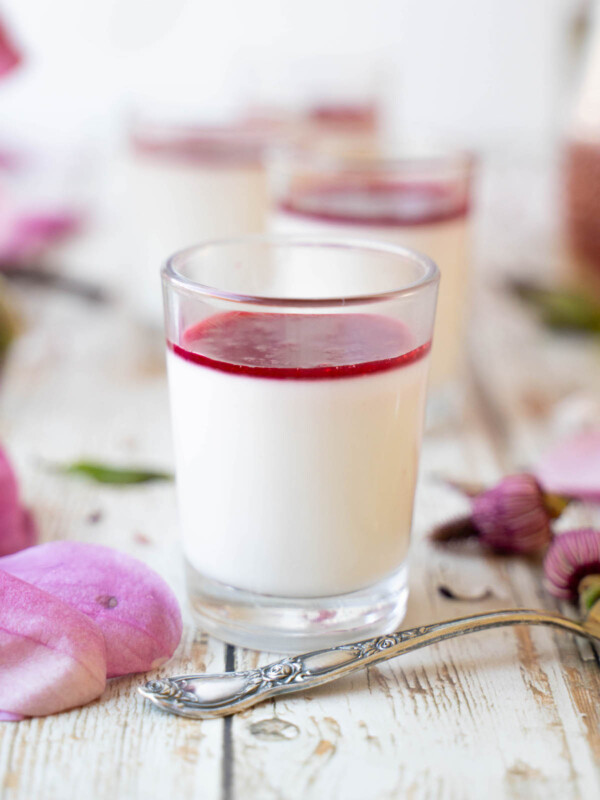
- Infuse petals in cream for desserts like crème brûlee, pastry cream, panna cotta, etc
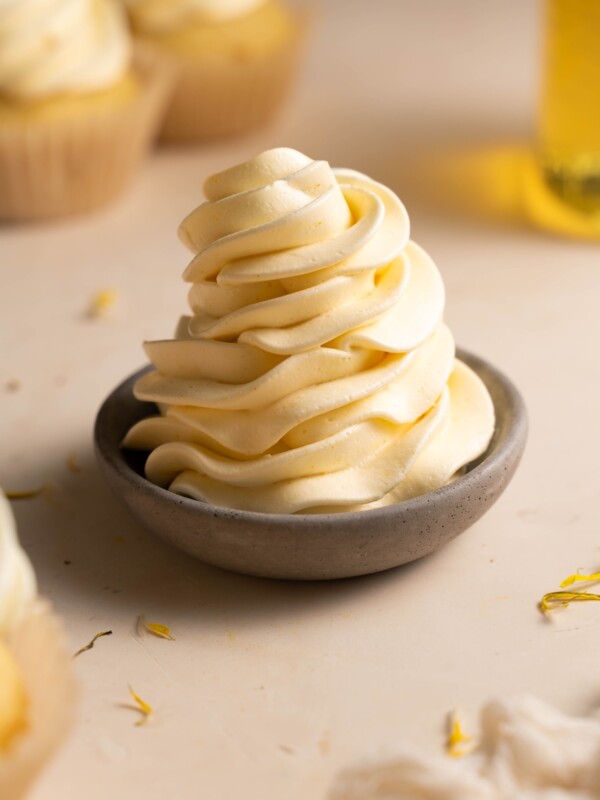
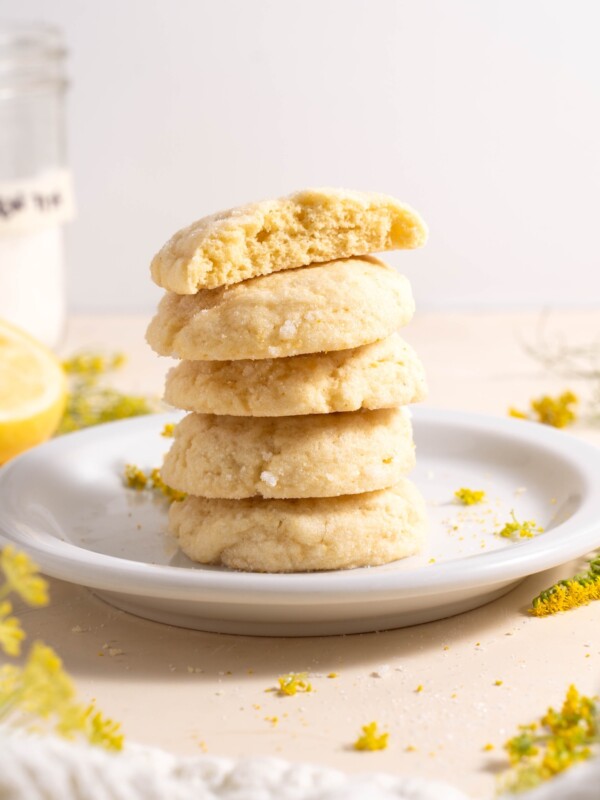
- Add magnolia sugar to cakes, cookies, and frostings
- Decorate cakes, cupcakes, or tarts with fresh flowers
Savory uses
- Pickle magnolia petals (one of the most popular uses)
- Chop and add to salads
- Dry flowers, grind into a powder, and use as a spice
- Toss petals or whole (small) flowers in tempura batter and fry into fritters
Drinks
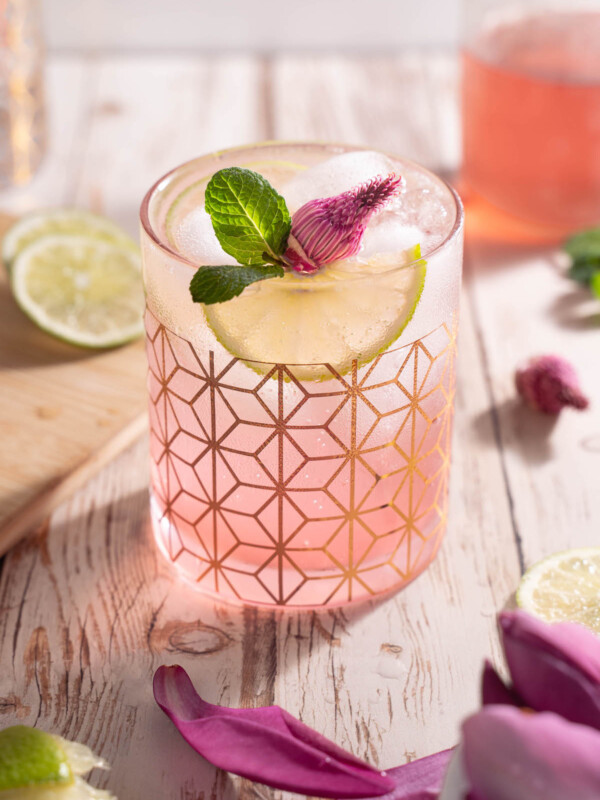
- Use magnolia syrup for cocktails & mocktails, like this Moscow Mule
- Make a floral lemonade (substitute magnolia syrup in this Fig Leaf Lemonade recipe!)
- Make a tea with dried flowers
- Use the brine from pickled magnolias to add zing to savory cocktails
Try these magnolia recipes
Flavor pairings
With its sweet, floral, and spicy notes, magnolia pairs well with:
- Citrus (lemon, lime, grapefruit)
- Honey
- Warm spices like ginger, cardamom, cinnamon, nutmeg
- Vanilla
- Sweet-tart berries, like strawberries and raspberries
- Coconut/coconut butter/coconut milk
- Cream-based desserts
- Tropical flavors, like lemongrass, chile, basil, wasabi, pineapple
FAQs
Yes! They can be eaten raw, though the flavor can be strong and the texture might not be great. They’re often better when lightly prepared or infused.
They may be too mature, from a more bitter variety, or include the base of the petal (which can be more bitter).
I wouldn’t recommend it. It’s best to use freshly picked flowers, as fallen ones may be bruised, old, or contaminated.
A light rinsing is recommended to remove dirt or insects.
For more inspiration, check out my collection of edible flower recipes!
If you experiment with magnolia flowers, I’d love to hear what you make. Leave a comment and let me know what you come up with!

Very informative! Thank you!